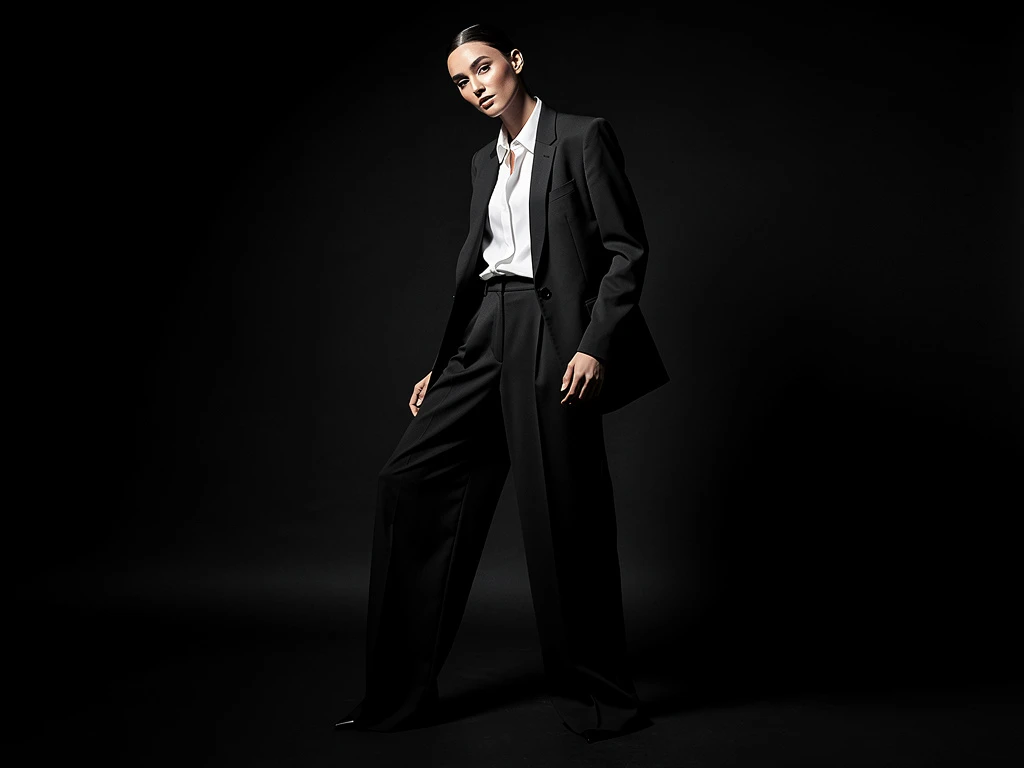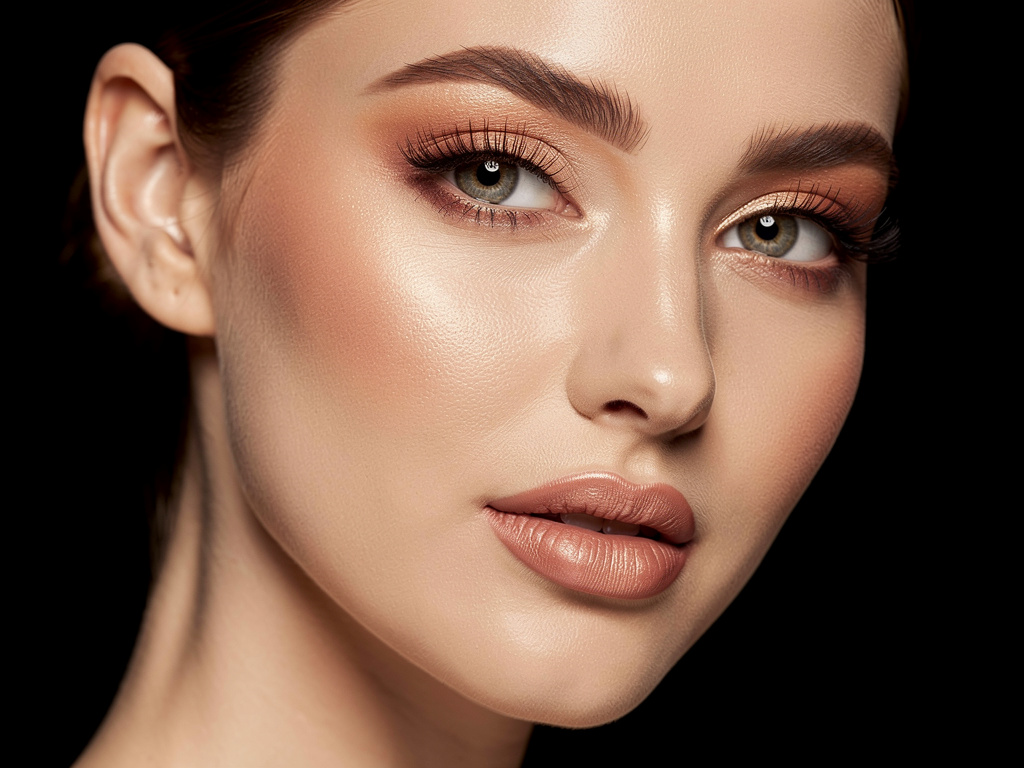
In the early stages of a creative career, aggregate portfolio platforms like Behance act as an incredible crutch. They are completely free, firmly connected to the Adobe ecosystem, and offer a simple, standardized way to upload massive mood boards and collaborative project files.
For a junior graphic designer or a student illustrator looking for peer feedback, a Behance portfolio website is the perfect environment.
However, if you are a professional Makeup Artist (MUA) attempting to secure a $15,000 corporate retainer from an international cosmetics brand, sending a Behance link is a catastrophic B2B networking failure. You are no longer navigating a peer-to-peer critique space; you are navigating the luxury beauty sector. Here is exactly why elite MUAs mathematically outgrow Behance, and why relying on an aggregate platform costs you high-end contracts.
The Threat of 'Adjacent Poaching'
Behance is not a website builder; it is a social network owned by Adobe. Its primary corporate objective is to keep users clicking around inside the Behance ecosystem for as long as possible.
The platform achieves this through aggressive algorithmic suggestions.
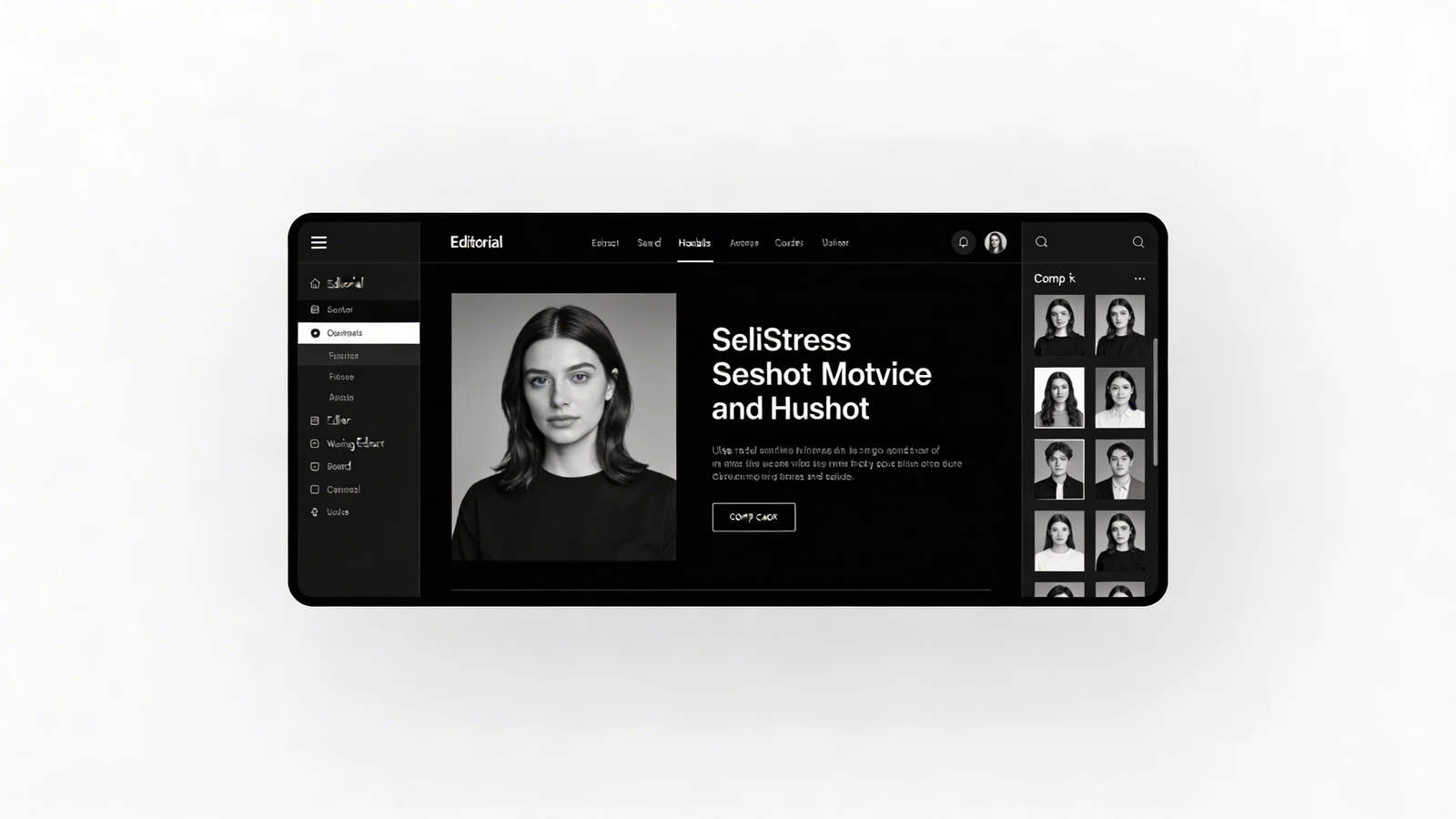
When a commercial fashion director clicks on your Behance link to view the stunning editorial makeup you just did for a magazine, Behance immediately populates the right-hand sidebar and the bottom of the page with a grid desperately screaming: "You might also like these other Makeup Artists!"
You have done the incredibly hard work of driving a wealthy client to your portfolio, only to have the platform actively advertise your direct competitors inches away from your face. A private, independent domain completely eradicates this risk. When a client visits your .com, they are trapped inside an exclusionary silo. There is zero external noise, and zero chance of them getting distracted and wandering off to hire a different MUA.
The 'Template' Stigma in Luxury Sectors
The beauty and fashion industries operate entirely on perceived prestige. A Dior cosmetic director does not use generic tools.
When you send a link formatted as behance.net/yourname to a commercial director, you instantly communicate that you do not take your business seriously enough to spend $15 a month on a private web server. The Behance interface is highly recognizable; its rigid gray borders, massive blue 'Appreciate' buttons, and standardized commenting sections make your high-art editorial look like a community college homework assignment.
To command luxury day-rates, your presentation must feel profoundly expensive. Your portfolio must float dynamically in massive negative space. Your typography must be curated perfectly to match your personal brand aesthetic. You cannot achieve institutional silence on a noisy, standardized social network.
The Inability to Structure Client Hubs
An elite MUA operates as a fully functioning B2B corporation. They do not just need to show pretty pictures; they need to manage complex logistics.
A Behance page physically cannot execute the structural workflows required by a commercial beauty professional.
- You cannot generate a securely encrypted, password-protected gallery to show a director your incredibly sensitive, unreleased work.
- You cannot integrate a structural Booking Calendar directly into your homepage.
- You cannot deploy a rigorous intake form demanding commercial budget dropdowns.
A Behance portfolio forces a multi-million dollar client to DM you or hunt for an email address buried in a text bio. This friction instantly repels high-end clients.
Securing luxury corporate contracts requires unparalleled B2B digital sovereignty. By migrating your massive beauty assets from aggregate networks directly to Portfoliobox, MUAs instantly capture the institutional silence, custom typography, and secure unmetered client portals explicitly demanded by the global luxury sector — no coding required.