When Sarah, a third-year photography student, started applying for her first professional assisting jobs, she was met with a wall of silence. She had top grades, a keen eye for composition, and a hard drive full of technically perfect assignments. But her digital presence was a disorganized Google Drive folder and an Instagram account that mixed weekend snapshots with studio portraits.
It wasn't until a mentor showed her a few standout student digital portfolio examples that everything clicked. She realized her work wasn't the problem—it was her presentation. Within three weeks of launching a curated, professional digital portfolio, Sarah booked her first two paid portrait sessions and secured an assisting gig with a local commercial photographer.
Your student portfolio is the bridge between your academic achievements and your professional career. In this guide, we'll explore why having a polished digital identity is crucial, analyze what makes successful student digital portfolio examples work, and show you exactly how to build a portfolio that transforms you from a student into a working creative.
The Gap Between Classwork and Professional Presentation
As a photography student, you're constantly producing work. However, there is a fundamental difference between a school assignment and a professional portfolio piece. Instructors evaluate your technical mastery, understanding of lighting, and adherence to the brief. Clients, on the other hand, are looking for a unique vision, consistency, and a problem-solving mindset.
Many students make the mistake of dumping every successful assignment into their portfolio. The result is a confusing mix of still life, street photography, conceptual self-portraits, and commercial mockups. This lack of focus is the number one reason emerging photographers struggle to get hired.
The best student digital portfolio examples demonstrate a shift from an academic mindset to a professional one. They show curation, intentionality, and a clear understanding of the photographer’s emerging voice. To bridge this gap, you must stop thinking like a student trying to pass a class, and start thinking like a professional pitching a client.
Anatomy of a Standout Student Digital Portfolio
What separates an amateur collection of images from a professional portfolio? Let's break down the key elements found in the most effective student digital portfolio examples.
1. A Clear Focus and Specialization
While it’s natural to experiment during your studies, a professional portfolio needs focus. If an art director visits your site, they need to know what you do within five seconds. Are you an architectural photographer? A fashion portraitist? A documentary visual storyteller?
Standout portfolios usually feature a primary specialty prominently on the homepage, with secondary interests relegated to separate, clearly labeled galleries. This focus reassures potential clients that you are an expert in the specific style they need.
2. Ruthless Curation
The phrase "kill your darlings" applies perfectly to portfolio curation. You might have an emotional attachment to a photo because it took 12 hours to set up, but if it doesn't fit your current brand or meet your highest standard of quality, it has to go.
Strong student digital portfolio examples rarely feature more than 15 to 20 images per gallery. This curated approach ensures that every single image is a "wow" moment. If you include weak images alongside strong ones, clients will judge you based on your weakest work.
3. Professional Presentation and User Experience
A great portfolio is invisible—it gets out of the way and lets your work shine. Cluttered layouts, confusing navigation, and slow-loading images scream "amateur."
The best examples feature clean lines, intuitive navigation menus, and generous use of whitespace. The design of the website itself shouldn't compete with your photography; it should frame it elegantly. This extends to mobile responsiveness. With the majority of initial views happening on smartphones, your portfolio must look just as stunning on a small screen as it does on a desktop monitor.
Analyzing Successful Student Digital Portfolio Examples
Let's look at a few theoretical scenarios inspired by real-world student digital portfolio examples to see these principles in action.
The Documentary Storyteller
The Problem: A photojournalism student has hundreds of great single images but struggles to show their ability to build a narrative.
The Solution: Instead of a single gallery of disconnected shots, their portfolio is structured around three distinct "Stories." Each story features a carefully sequenced selection of 8-12 images, accompanied by a brief introductory text that provides context.
Why it works: This approach proves to editors that the student can handle a full assignment, conceptualize a narrative arc, and deliver a complete package, not just a lucky single shot.
The Emerging Fashion Photographer
The Problem: A student wants to shoot fashion but only has access to friends as models, resulting in images that look like lifestyle portraits rather than editorial fashion.
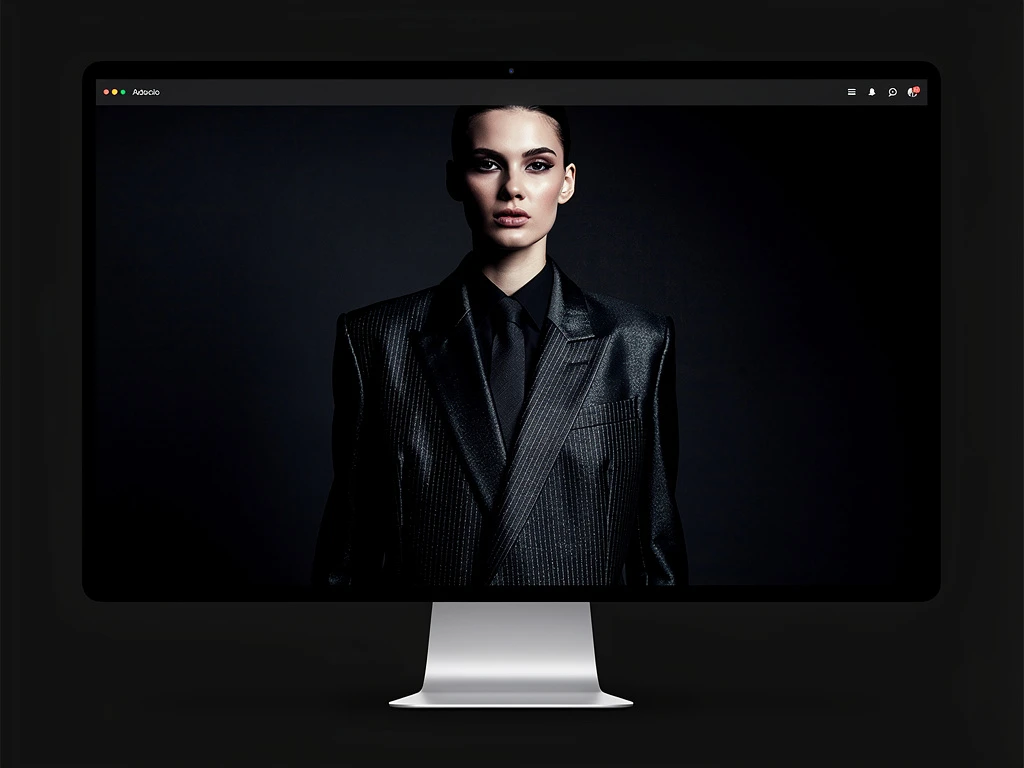
The Solution: The student curates a very tight portfolio focusing purely on lighting, mood, and composition. They exclude any images that look like casual snapshots, even if the model looks good. They use a sleek, minimalist website template with a dark mode option to make the colors pop.
Why it works: By focusing on the elements they can control (lighting and composition) and presenting them in a highly polished digital environment, the student elevates the perceived value of their work. They look like a professional waiting for a bigger budget, not an amateur playing with a camera.
The Commercial Assistant
The Problem: A student wants to work as a first assistant for high-end commercial photographers, but their portfolio is full of conceptual art photography that doesn't align with commercial needs.
The Solution: The student creates a dedicated portfolio aimed entirely at demonstrating technical proficiency. They include a gallery of perfectly lit product shots, behind-the-scenes images showing complex lighting setups they've built, and a highly detailed "About" page highlighting their knowledge of specific gear, tethering software, and studio safety.
Why it works: This portfolio directly addresses the needs of the target audience (established commercial photographers). It shows that the student understands the technical demands of the job and is ready to work on day one.
How to Build Your Own Transformative Portfolio
Ready to transition from student to professional? Here is a step-by-step approach to building a digital portfolio that opens doors.
Step 1: Define Your Target Audience
Before you select a single image, ask yourself: Who do I want to hire me? Are you targeting local wedding planners, national magazine editors, or commercial ad agencies? Your portfolio should be designed specifically to appeal to this audience. If you try to appeal to everyone, you will appeal to no one.
Step 2: The Editing Process
Gather all your best work from the past two years. Now, invite a trusted mentor, professor, or working professional to help you edit. You need objective eyes.
Aim for 15-20 absolute standout images for your main gallery. If an image requires an explanation or an excuse ("the lighting was bad, but..."), it doesn't belong in your portfolio.
Step 3: Choose the Right Platform
You need a platform that is designed specifically for creative professionals. Look for features like client proofing galleries, customizable templates that prioritize imagery, and built-in SEO tools to help you get found. Avoid generic website builders that require you to force your work into templates meant for restaurants or accounting firms.
Step 4: Craft Your "About" Page
Your "About" page is the second most visited page on your portfolio. It’s where clients go to see if they want to spend 10 hours in a studio with you.
Avoid writing a dry, academic biography. Instead, share your creative philosophy, what drives your passion for photography, and your professional goals. Keep it concise, engaging, and reflective of your personality. Include a professional, well-lit headshot—no selfies.
Step 5: Test and Refine
Once your portfolio is live, it’s not finished. A digital portfolio is a living document. Test it on different devices, ask peers to navigate it and provide feedback, and continuously update it as you produce better work.
Monitor your website analytics to see which galleries are getting the most attention and adjust your curation accordingly.
Your Portfolio is Your Business Card
The transition from a student mindset to a professional reality begins with how you present yourself to the world. The student digital portfolio examples we’ve discussed share a common thread: they show intentionality, focus, and a deep respect for the craft of photography.
Don't wait until graduation to start building your professional identity. Start treating your digital portfolio as your most important ongoing project today. By curating your work ruthlessly, designing a clean and intuitive user experience, and targeting your presentation to your ideal clients, you can leapfrog the competition and start your career with momentum.
Building your portfolio doesn't have to be complicated. With Portfoliobox, you can create a stunning portfolio website in minutes — no coding required.