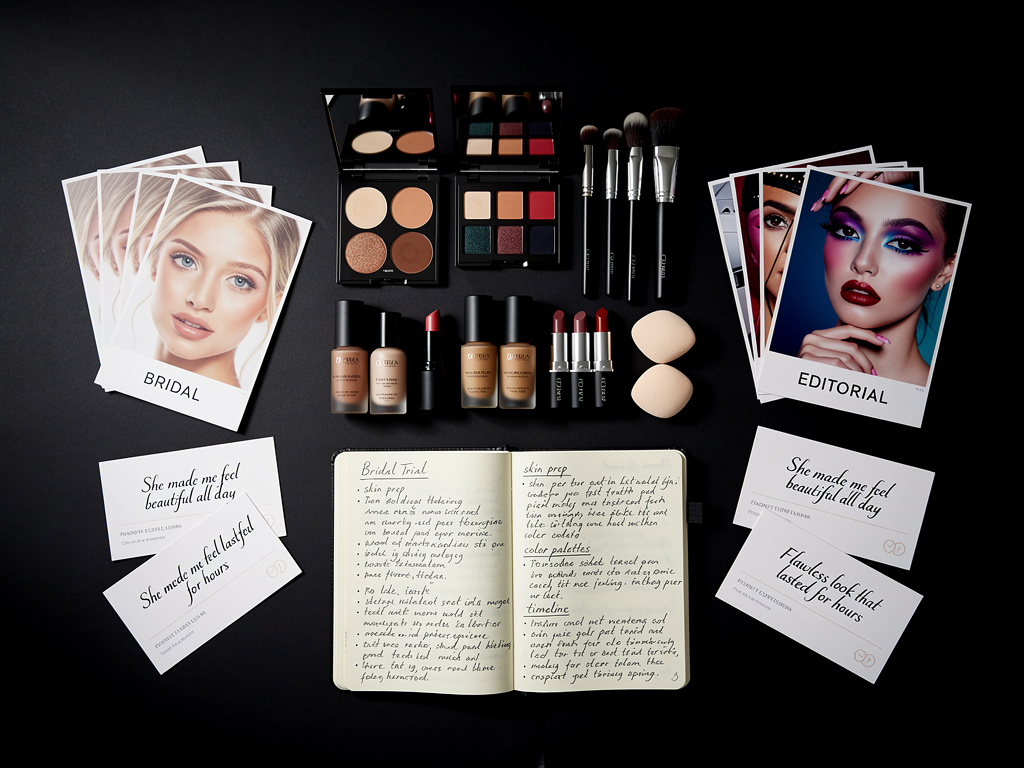
Jessica spent three years grinding in the bridal makeup industry. Every single Saturday was a high-stress, 5:00 AM wake-up call involving a frantic bride, five bridesmaids, and intense logistical panic. While the money was decent, the extreme seasonality of weddings left her financially terrified every winter.
She desperately wanted to break into "Corporate Grooming"—the highly lucrative, wildly consistent world of doing makeup for massive corporate commercial shoots, local television anchors, and CEO headshots.
She began DMing commercial directors in her city, linking them to her incredibly popular Instagram page filled with beautiful wedding photos. Astonishingly, nobody replied. Finally, a Commercial Producer bluntly told her: "We don't hire artists off Instagram. We need vendors who can issue W-9 forms and understand corporate on-set logistics. You look like a hobbyist, not a vendor."
Jessica immediately stopped using social media as her pitch. She bought a .com domain, built a structural online portfolio strictly dedicated to "Commercial Services," and within two weeks, secured a $3,000 monthly retainer for a local network news affiliate.
Here is exactly why creating an online portfolio is the absolute prerequisite for escaping the bridal grind and securing corporate makeup contracts.
The Psychology of the 'Corporate Vendor'
A corporate Producer hiring a Makeup Artist (MUA) for a massive banking commercial is not looking for a "vibe." They are looking for a reliable, heavily insured contractor.
When you submit a social media link, you inherently present yourself as an individual seeking followers. When you submit a dedicated website URL (e.g., www.yourname-makeup.com), you instantly project the psychological aura of an incorporated business.
You must structure your portfolio to match this corporate expectation. Do not use whimsical fonts or mention your personal hobbies. Utilize strict, corporate language. You are no longer "doing makeup"—you are "Providing Commercial Grooming and On-Set Aesthetic Supervision." You are officially a B2B vendor.
Demonstrating The 'No-Makeup' Competency
The absolute biggest mistake MUAs make when pitching corporate clients is showing them massive, heavy cosmetic looks.
A bank commercial does not want their CEO wearing heavy contouring and fake eyelashes. Corporate makeup is incredibly difficult because it must be entirely invisible. The goal is simply to eradicate camera-glare, smooth skin tones, and prevent the subject from sweating under heavy ARRI cinema lights.
The Portfolio Fix: To secure corporate gigs, your online portfolio must contain a dedicated, massive gallery titled "Corporate & Executive Grooming." This gallery must feature extreme close-ups of men and women looking absolutely flawless, yet appearing as though they are not wearing a single drop of makeup. If a producer sees that you know how to matte a CEO's forehead invisibly for 4K video, they will hire you instantly.
Establishing Strict Day-Rate Logistics
An amateur MUA haggles over price in the DMs. A corporate MUA establishes institutional pricing infrastructure.
Corporate productions operate on rigid budgets and strict schedules. Your online portfolio must feature a dedicated "Commercial Logistics" page. You must explicitly define your structure:
- Half-Day Rate (Up to 4 hours)
- Full-Day Rate (Up to 8 hours)
- Overtime Stipulations (Time-and-a-half after 8 hours)
- The Mandatory 'Kit Fee' (Charging the production for the chemical depletion of your high-end cosmetic kit).
By posting these strict, union-standard logistical terms on your website, you prove to the Producer that you have actually worked on professional film sets before. You eliminate the amateur negotiation phase entirely.
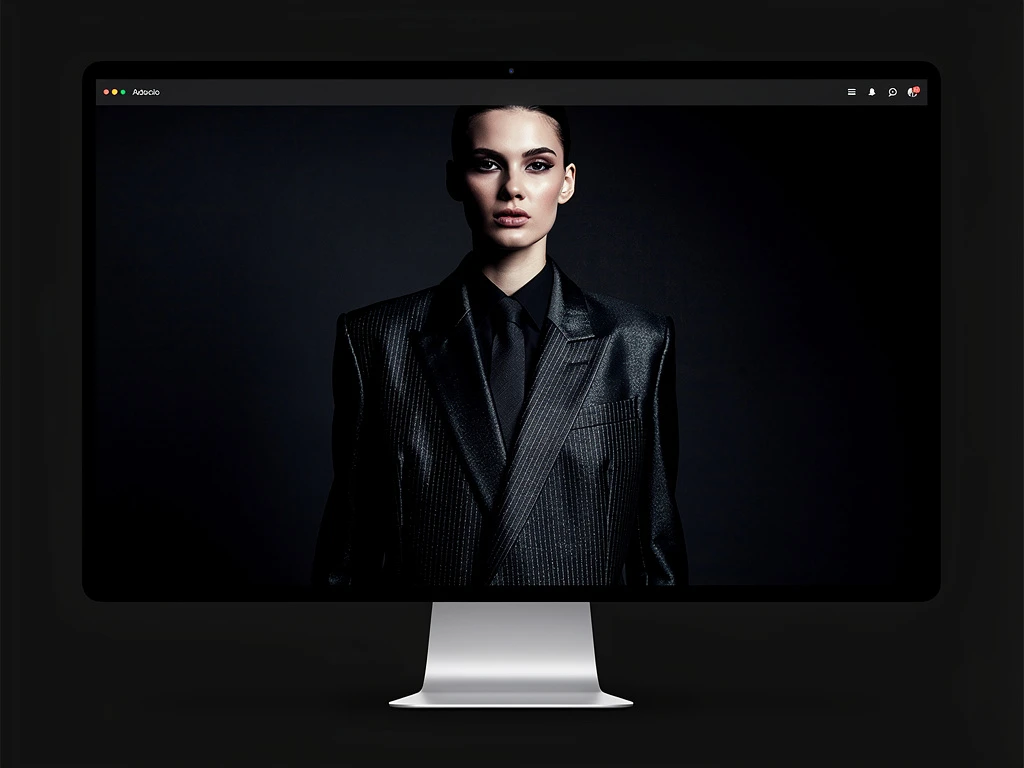
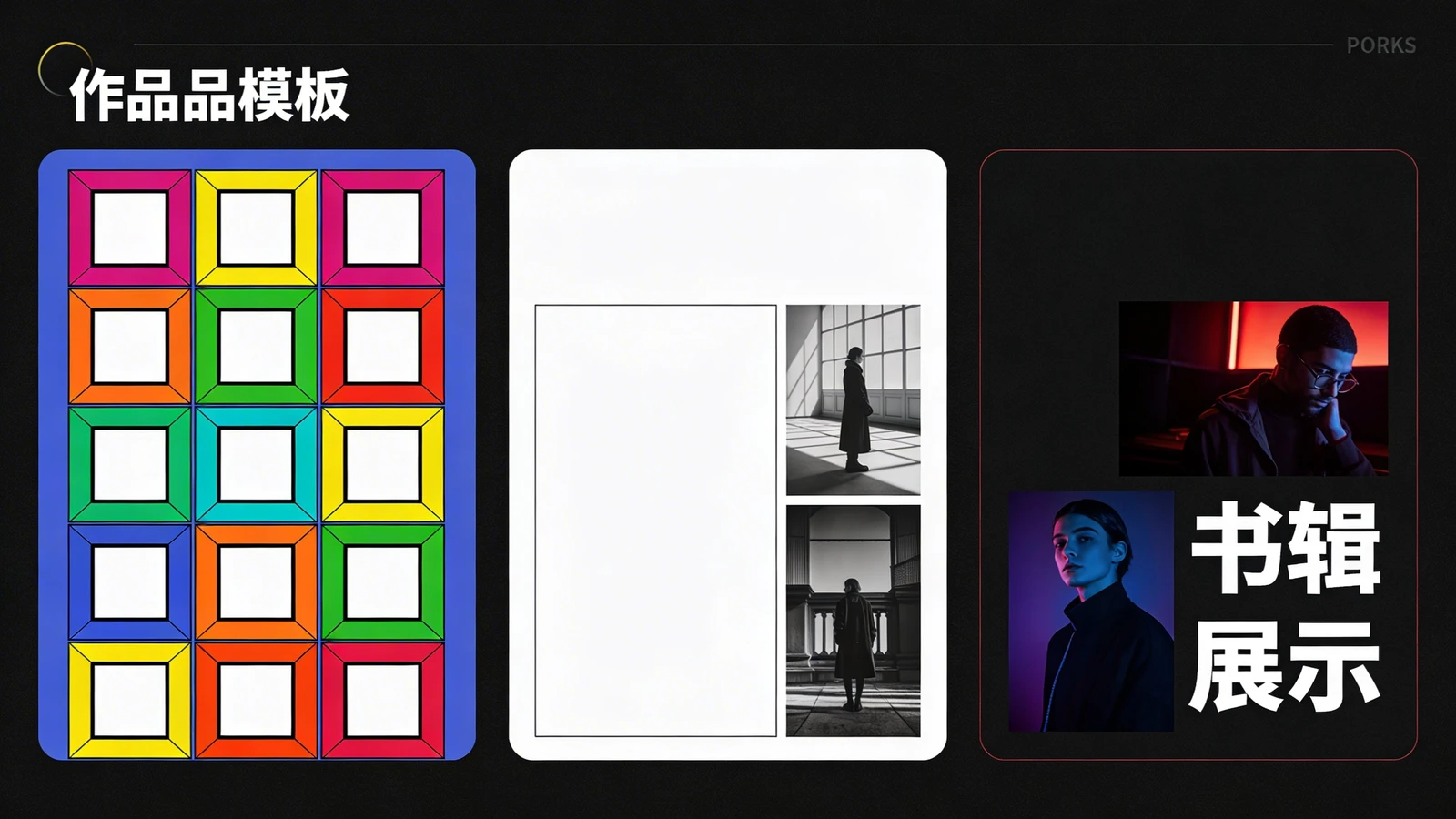
Escaping the weekend grind requires transforming your aesthetic art into a hardened corporate utility. By building your presence on Portfoliobox, beauty professionals effortlessly deploy stark, typography-driven websites and secure booking funnels that command massive B2B commercial retainers — no coding required.