David was an absolute legend in the convention circuit. Every year, he spent four months sculpting unbelievable foam latex prosthetics, turning himself into towering, movie-accurate monsters. His cosplay photos generated massive online traction, and his foam-sculpting abilities were mathematically brilliant.
Encouraged by his internet fame, he applied for an apprenticeship at an elite Special Effects (SFX) studio in Burbank, California. He submitted exactly what he thought was his greatest strength: a massive grid of eighty photographs showing him posing fiercely in various character costumes inside crowded convention halls.
The studio rejected him in twelve hours. The lead Prosthetic Designer sent a brief email: "You clearly understand chemical formulation, but your portfolio is completely divorced from cinematic reality. We build assets for 4K lenses, not for dimly lit convention centers. You are showing us fandom; we need to see engineering."
David learned a brutal lesson: The aesthetics of Cosplay and the aesthetics of professional film production are violently different. If you want to transition from a convention hobbyist to a paid, union SFX artist, your portfolio must undergo a rigorous, clinical transformation. Here is the operational blueprint.
Eradicating the 'Convention Background'
A Film Producer or an SFX Studio lead evaluates a portfolio based on absolute control.
When you upload a photograph of your magnificent silicone monster makeup, but the background of the image is a blurry crowd of people walking around a convention center, you instantly destroy your own authority. The chaotic background screams, "This is an un-paid weekend hobby."
To translate your cosplay into professional currency, you must reshoot your assets. Put the makeup on a model (preferably not yourself, to prove you can apply prosthetics to other humans), and stand them in front of a completely black or neutral gray seamless backdrop. Light them using harsh, directional cinematic lighting. Isolate the craft. When the convention center is deleted from the frame, the makeup instantly looks like a $10,000 corporate asset.
Documenting the Unpainted 'Sculpt'
Cosplay culture is obsessed with the final, polished character. The professional SFX industry is obsessed with the raw geometry.
In a legitimate Hollywood creature shop, the sculpting department and the painting department are often entirely different teams. If you want to be hired as a structural artist, your portfolio cannot just show the final painted mask.
The Structural Breakdown: Your website must utilize chronological "Case Studies." For every final character image you present, you must show the raw process.
- Show a high-resolution, beautifully lit photograph of your unpainted clay sculpt sitting perfectly on the lifecast head form.
- Show the raw, baked foam-latex or silicone piece sitting directly out of the stone mold.
By prioritizing images of the raw, unpainted materials on your portfolio, you actively prove your understanding of anatomy and primary structural form—the exact skills an SFX shop is hiring for.
The Mandate of the 'Micro-Edge'
A common trick in cosplay is utilizing massive collars, heavy armor, or dramatic wigs to hide the seams where a prosthetic attaches to the skin.
In cinematic SFX, the camera frequently shoots a massive, 8K resolution close-up directly on an actor's face. If your prosthetic blending edges are thick and visible, the illusion is destroyed, and the studio loses thousands of dollars fixing it in Post-Production CGI.
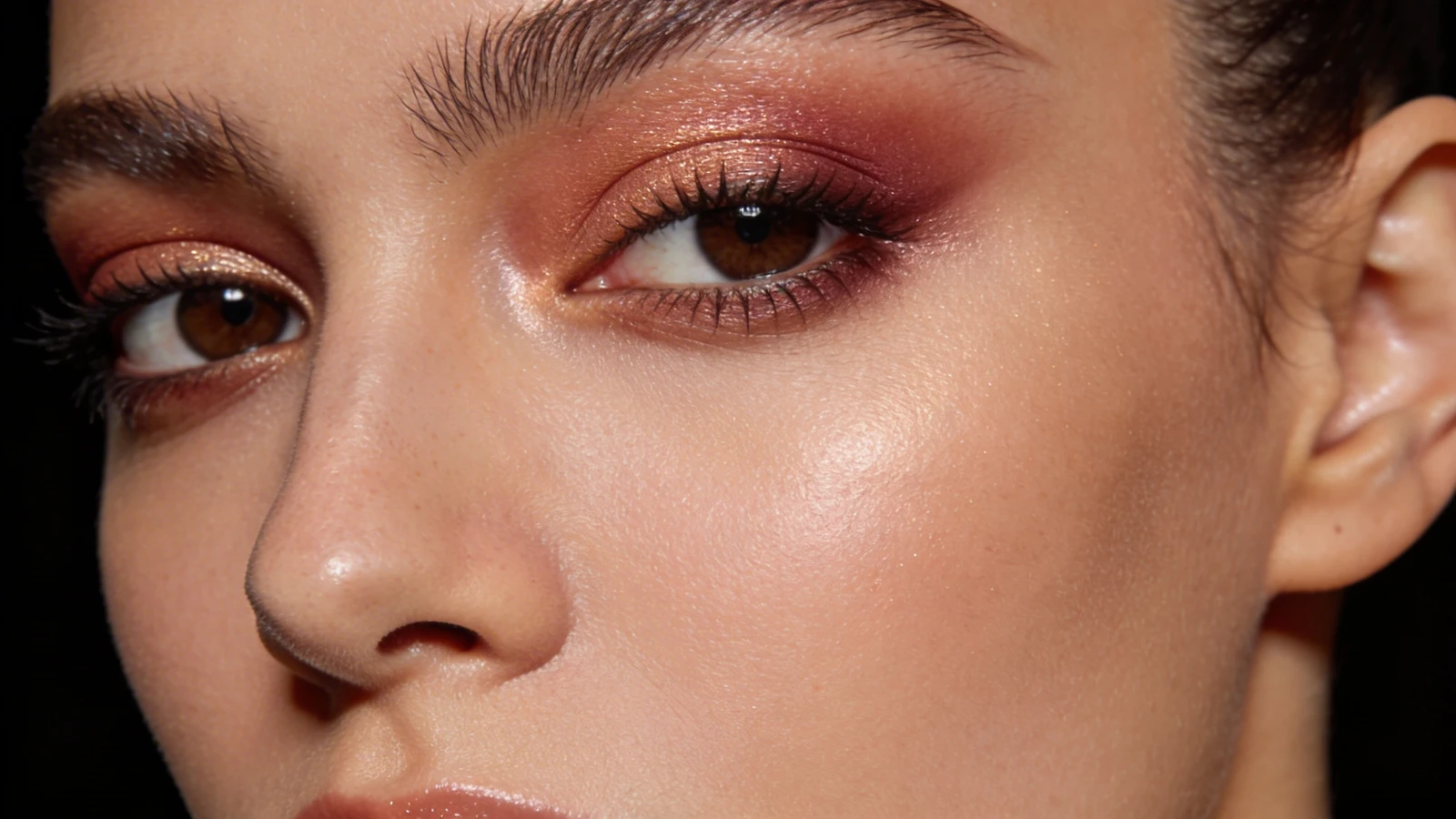
Your online portfolio must prove your edges are perfect. You must utilize uncompressed, massive Macro-Photography. Include extreme close-ups of the exact spot where your silicone appliance blends into the human skin. Prove that the gradient is practically microscopic.
Transitioning into the cinematic union requires treating your hobby like forensic science. By migrating your assets to Portfoliobox, SFX artists can deploy the stark dark-mode layouts, uncompressed macro-galleries, and chronological grids required to effortlessly convert cosplay passion directly into Hollywood contracts — no coding required.