Many aspiring models hit a wall early in their careers. They get signed to a boutique agency or build a respectable Instagram following, but they consistently fail to book paid commercial jobs. The frustration builds as they watch models with less striking features land the campaigns they were aiming for.
Usually, the problem is not their physical look—it is their professional presentation. Casting directors are risk-averse; they hire models whose portfolios prove they can handle the technical demands of a high-budget set. Here are the most essential tips of modeling to solve the presentation mistakes that are costing you jobs.
The Problem: The "Selfie" Portfolio
The fastest way to signal that you are an amateur is to fill your portfolio with selfies, heavily filtered social media shots, or images taken by friends with entry-level cameras. A casting director cannot determine your skin texture, your bone structure, or your ability to take direction from a ring-light selfie.
If your portfolio looks like an influencer's feed rather than a working model's book, you will be passed over for commercial work.
The Solution: Invest in High-End Testing and Digitals
You must separate your personal brand from your professional portfolio. First, ensure you have immaculate, current digitals (polaroids). These should be shot in natural light, with no makeup, against a blank wall. Digitals prove to the client what they are actually hiring.
Second, invest in high-quality test shoots with reputable fashion or commercial photographers. You need images that look like they were pulled directly from a magazine editorial or a major brand's website.
The Problem: The "One-Note" Expression
Another common reason models fail to book jobs is a lack of versatility. If every image in your portfolio features the exact same brooding stare or the exact same slight smile, casting directors will assume you lack range. A commercial client selling lifestyle apparel cannot hire you if they aren't confident you can deliver genuine, approachable warmth on camera.
The Solution: Categorize Your Range
You must actively practice micro-expressions. Learn the technical difference between a commercial smile (which engages the eyes and mouth) and an editorial stare (which relies on relaxed facial tension and strong eye contact).
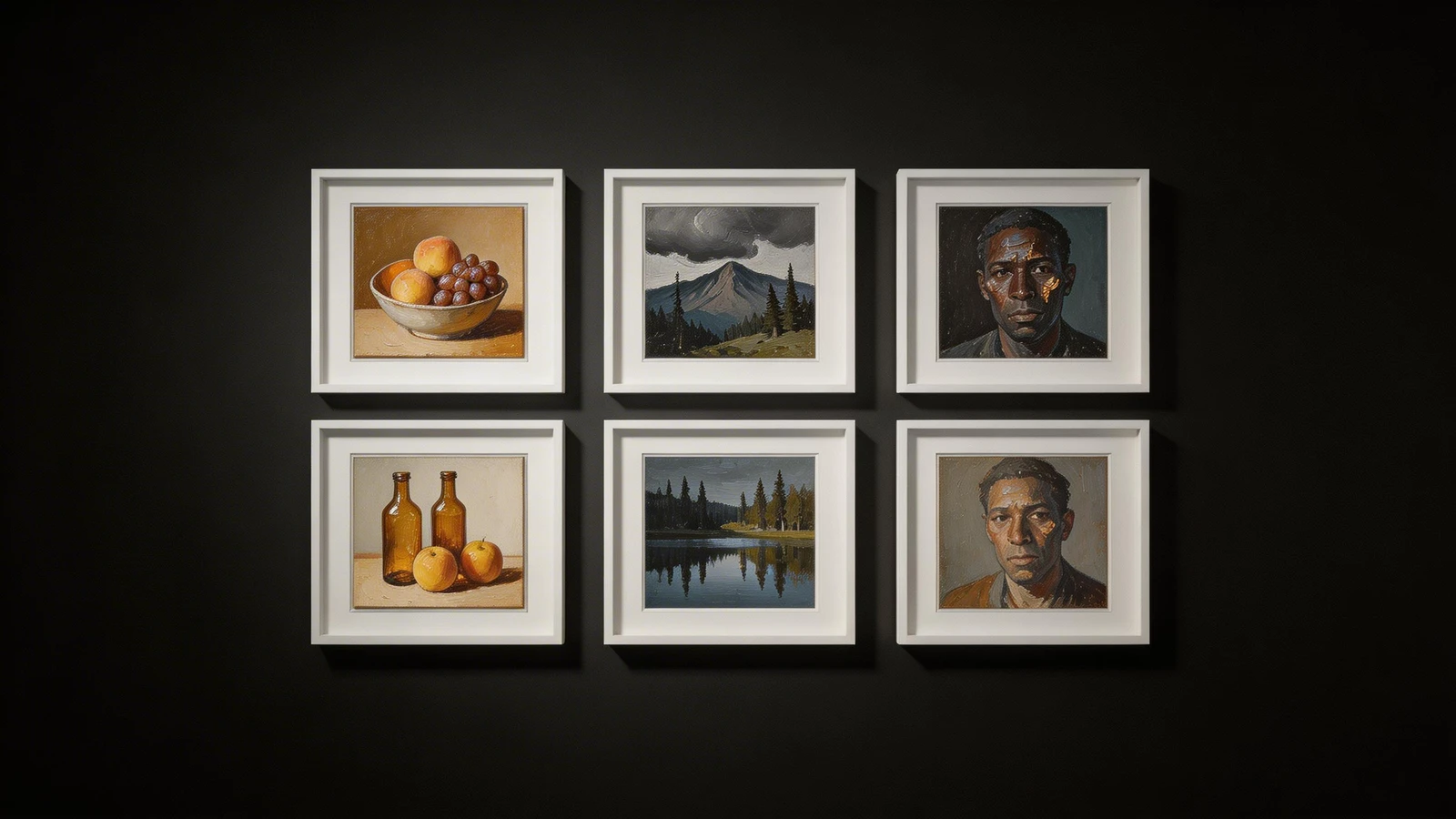
Once you have captured this range in test shoots, you must present it logically. Do not dump all your images onto a single webpage. Create separate galleries on your portfolio site: "Commercial Lifestyle," "High Fashion Editorial," and "Beauty." This proves your versatility instantly.
The Problem: Unprofessional Digital Delivery
When a casting director requests your package, sending them a messy Google Drive folder or forcing them to scroll through your social media is deeply unprofessional. They do not have time to hunt for your stats or download massive, uncompressed files.
The Solution: A Dedicated Portfolio Hub
You must own a dedicated portfolio website. This acts as your digital comp card and professional hub. It should be fast-loading, minimalist, and easy to navigate. Your precise measurements (height, bust/waist/hips, shoe size) must be prominently displayed.
Fixing these presentation errors is the fastest way to elevate your career. With Portfoliobox, you can create a stunning, agency-ready portfolio website that solves these digital presentation issues in minutes — no coding required.