For high school students aspiring to enter the world of architecture, the AP 2-D Art and Design portfolio is a golden opportunity. It is often the first major chance to compile a cohesive body of visual work that demonstrates creative thinking, compositional skills, and spatial awareness—the exact traits top architecture undergraduate programs look for in applicants.
However, many future architects struggle with this portfolio. They often assume they need to submit technical floor plans or rigid perspective drawings of buildings, which can stifle their creativity and fail the AP requirements for sustained investigation and experimentation.
The truth is, architecture admissions committees want to see how you see the world, not just how you draw a house. By exploring creative AP 2-D Art and Design portfolio examples that blur the line between fine art and spatial design, you can transform your portfolio into a powerful tool for your college applications.
Here are several creative approaches to your AP 2-D portfolio that will highlight your architectural potential.
1. The "Urban Textures" Collage Series
Architecture is highly tactile, relying on the interplay of materials like concrete, glass, steel, and wood. A fantastic way to demonstrate an understanding of material and texture in a 2-D format is through mixed-media collage.
The Approach
Instead of drawing a city, build one out of found materials. One striking AP 2-D Art and Design portfolio example involves a student who collected discarded materials from construction sites—sandpaper, wire mesh, torn blueprints, and cardboard. They used these materials to create abstract, highly textured collages that represented different urban environments (e.g., the dense grid of a downtown core, the sprawling geometry of the suburbs).
Why It Works for Architecture
This approach shows a deep sensitivity to materiality and physical context. It demonstrates that you can conceptualize the built environment not just as lines on paper, but as a complex layering of physical substances and textures.
2. The "Light and Void" Photography Investigation
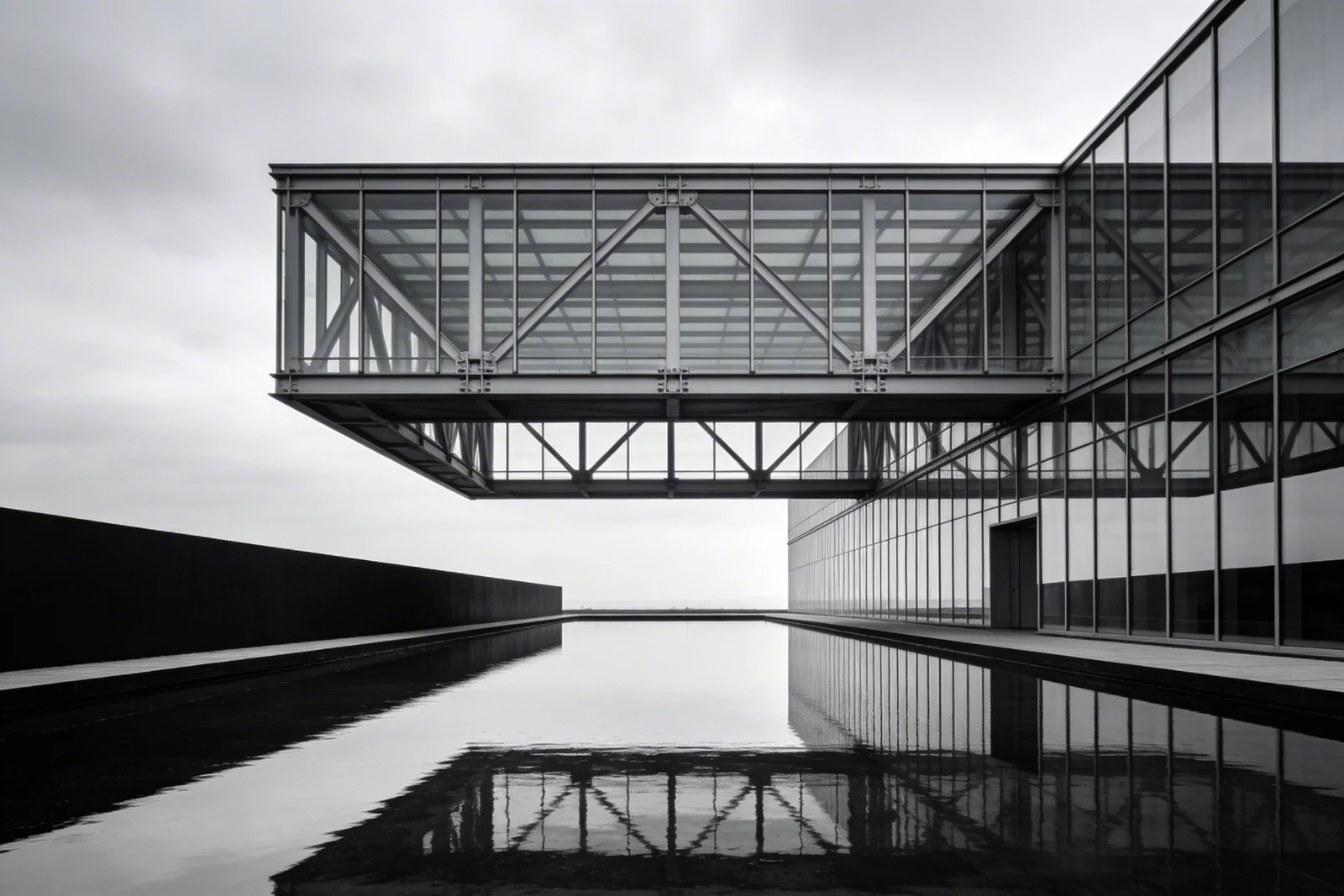
Architecture is famously described as the masterful, correct, and magnificent play of masses brought together in light. A photography-based Sustained Investigation focusing on light and shadow is one of the most effective ways to show architectural thinking.
The Approach
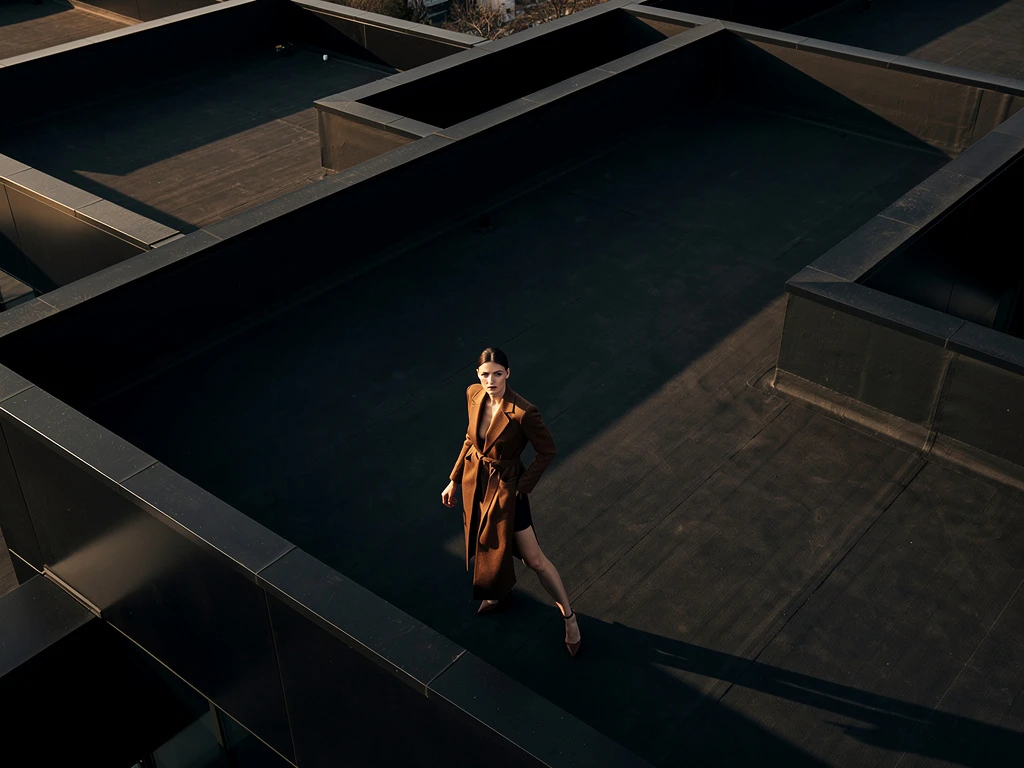
A brilliant AP 2-D Art and Design portfolio example in this vein focuses entirely on the negative space (the void) created by architectural structures. The student photographed the spaces between buildings, the sharp shadows cast by brutalist concrete stairs, and the way sunlight filters through slatted blinds at different times of day. They pushed the contrast in editing to turn these physical spaces into stark, abstract geometric compositions.
Why It Works for Architecture
This investigation proves you understand that architecture is not just about the solid objects we build, but the empty spaces we inhabit. It shows a sophisticated understanding of how natural light defines form and volume, a critical skill for any architect.
3. The "Parametric Patterns" Graphic Design Series
Modern architecture relies heavily on computational design and parametric patterns. You can explore these concepts graphically in your AP portfolio without ever opening complex 3D modeling software.
The Approach
Using tools like Adobe Illustrator or even hand-drawn ink techniques, create a series of 2-D works that explore algorithmic growth, tessellations, or cellular structures. One notable example involved a student who created a series of complex, repeating geometric patterns inspired by natural forms (like leaf veins and honeycomb structures), manipulating the scale and density of the patterns to create the illusion of three-dimensional topography on a flat page.
Why It Works for Architecture
This approach demonstrates strong analytical thinking and a fascination with the underlying geometric order of the world. It signals to admissions committees that you have the systematic mindset required for advanced architectural geometry and digital fabrication.
4. The "Sectional Anatomy" Drawing Series
While strict technical drafting might not be the best fit for an AP Art portfolio, you can adopt the language of architectural drawing (like the section cut) and apply it to non-architectural subjects.
The Approach
A highly creative AP 2-D Art and Design portfolio example took the concept of the architectural "section" (cutting an object in half to see its interior structure) and applied it to everyday objects. The student used highly detailed, cross-hatched pen and ink drawings to show the imagined, complex mechanical interiors of natural objects like an apple, a seashell, and a human heart, treating them as if they were complex buildings.
Why It Works for Architecture
This is a brilliant conceptual leap. It shows that you understand architectural conventions (the section cut) but possess the imagination to apply them creatively. It demonstrates intense attention to detail and an innate curiosity about how things are structured internally.
5. The "Sequence and Threshold" Printmaking Project
Architecture is experienced in sequence—moving from the street, through a doorway, into a lobby, and down a hall. This experience of moving through thresholds can be powerfully captured in sequential 2-D art, such as printmaking.
The Approach
Using linocut or screen printing, create a series of works that must be viewed in a specific order to tell a spatial story. One successful portfolio featured a series of six stark, high-contrast block prints. Each print represented a step deeper into an imagined, labyrinthine space, moving from a wide, open plaza down to a claustrophobic, dark corridor.
Why It Works for Architecture
This investigation shows that you understand spatial sequence and the psychological impact of proportion and scale. It proves you can design an experience for a viewer, orchestrating how they move through your ideas visually, much like an architect orchestrates how people move through a building.
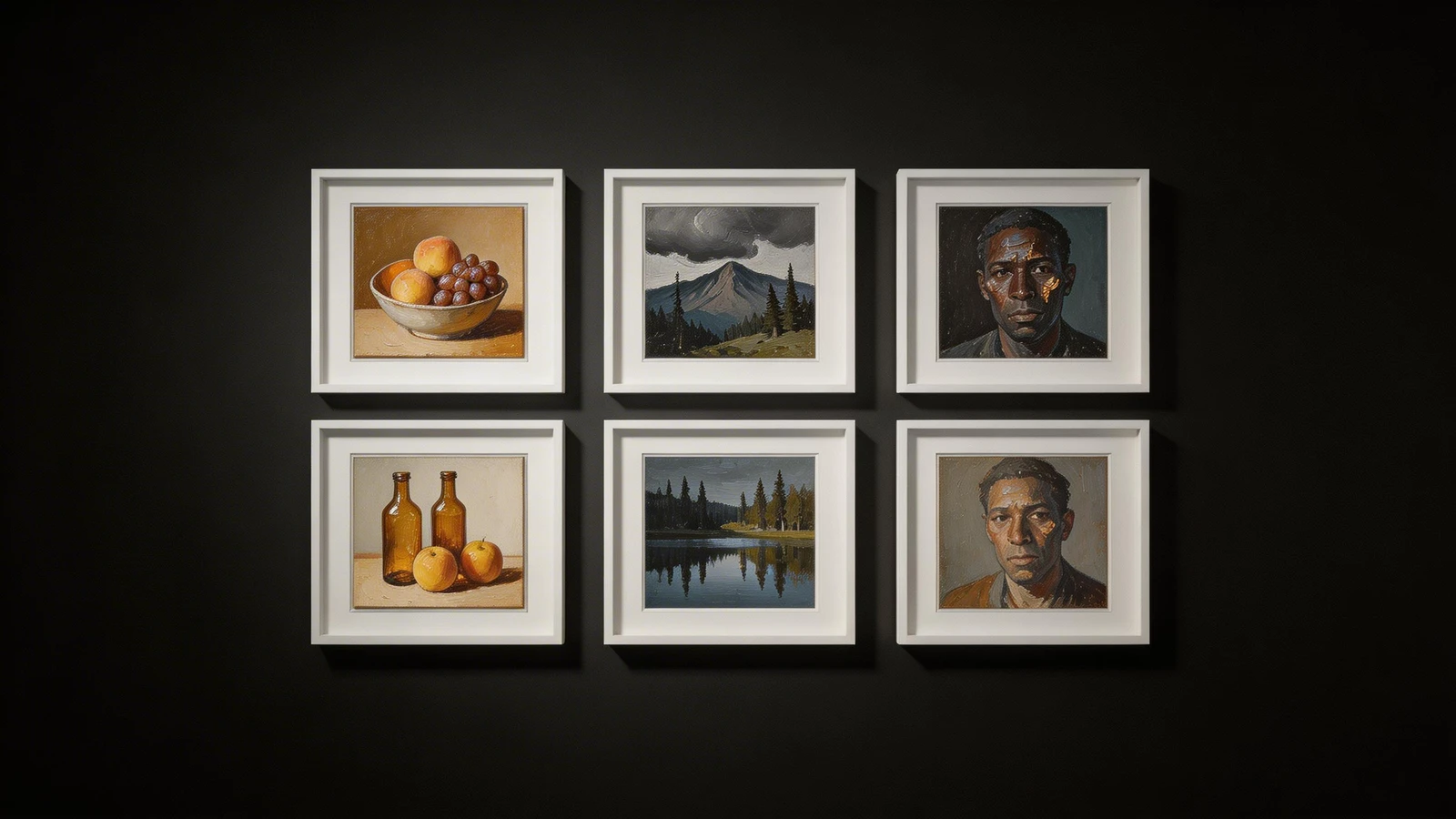
By looking past traditional still lifes and portraits, and instead focusing on space, light, structure, and material, your AP portfolio can become a powerful testament to your architectural potential.
Building your portfolio doesn't have to be complicated. With Portfoliobox, you can create a stunning portfolio website in minutes — no coding required.