In the modern freelance economy, anonymity is your greatest enemy. You can be the most talented graphic designer, the sharpest copywriter, or the most visionary photographer in your city, but if your work does not exist professionally on the internet, you do not exist to high-end clients.
However, simply throwing a few images onto a free website builder is not enough to break through the noise. There are millions of mediocre portfolios online. If your presentation is sloppy, confusing, or looks like a corporate template, you will remain digitally anonymous, lost in a sea of amateurs. If you want to transition from a struggling freelancer to a highly sought-after professional, you must solve the critical presentation errors that plague most websites. Here is how to successfully bring your portfolio online and immediately elevate your brand.
The Problem: The "Archival Dump"
When most creatives put their portfolio online for the first time, they treat it like a hard drive. They upload every single project they have ever completed, from their college assignments to their latest client work. They assume that showing a massive volume of work proves their experience.
This actually proves a lack of curation. High-end clients do not want to sift through 40 mediocre thumbnails to find one good project.
The Solution: Ruthless Curation (The "Hero" Approach)
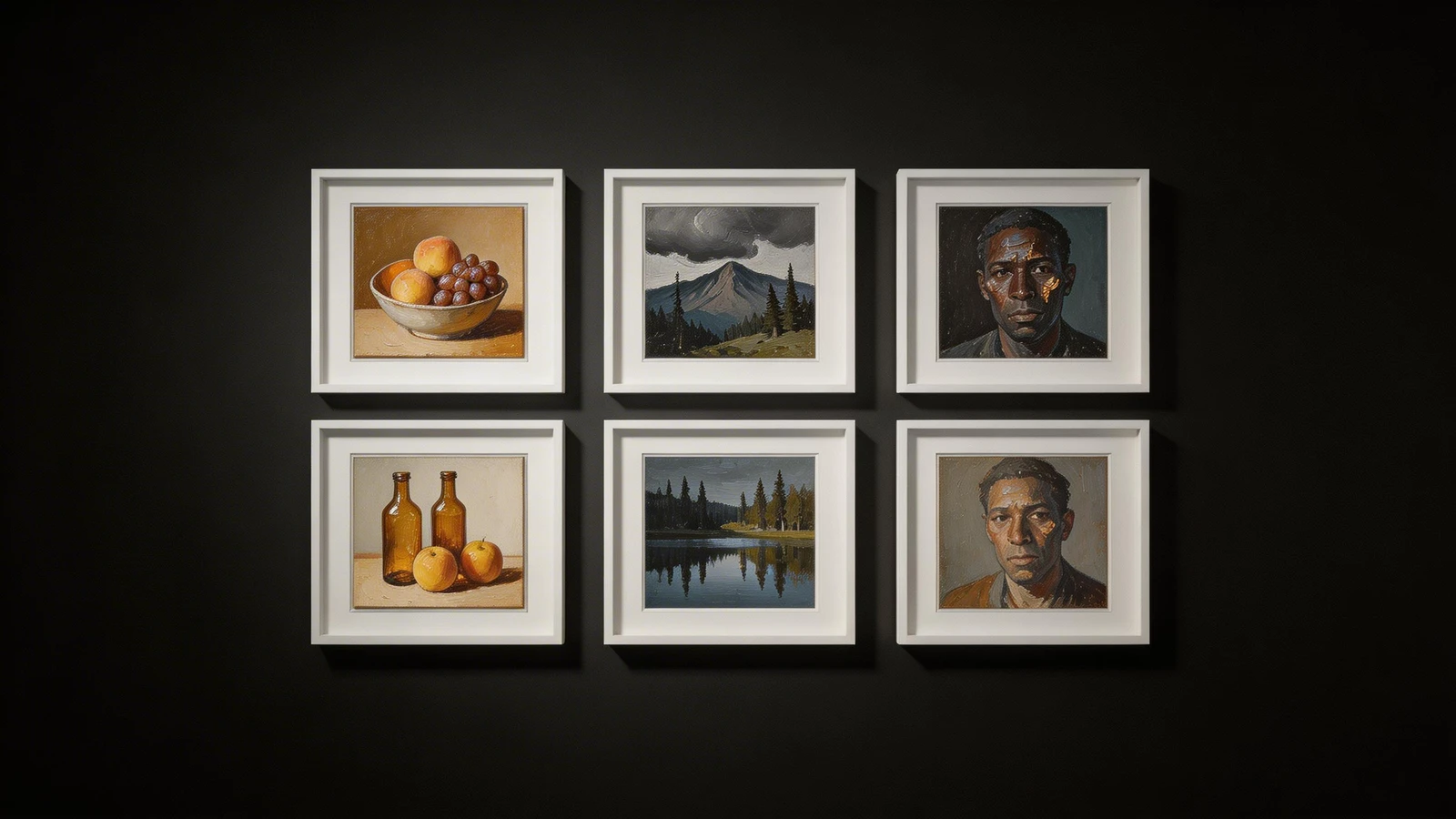
You must protect the client's time. The Fix: A professional portfolio is an exhibition, not an archive. You are judged by your weakest project. If you have 6 brilliant case studies and 10 mediocre ones, delete the 10 mediocre ones. By presenting a small, flawless gallery, you project absolute mastery. Furthermore, use a "Hero" layout on your homepage. Feature one massive, full-bleed image of your absolute best work to hook the client instantly before they even scroll.
The Problem: The Template Trap
If you use a mass-market website builder, your site will likely utilize a generic, corporate template. These templates use rigid square grids, textured backgrounds, and clunky fonts. When your creative work is placed inside a template designed for a local plumbing company, the perceived value of your art plummets.
The Solution: The "Invisible Frame"
Fine art requires a specific environment. You must replicate the aesthetic of a high-end contemporary gallery. The Fix: Strip away all web design elements. Use a stark white or pure black background. Use a highly legible, minimalist geometric font. Introduce massive amounts of negative space (padding) between your images. The website interface must completely disappear, acting as an invisible frame so that the vibrant details of your work command 100% of the screen.
The Problem: The Dead End
Many creatives build a beautiful gallery, but when the client reaches the bottom of the page, there is nothing there. The client has to actively hunt for an email address to inquire about hiring the creative. This friction kills conversions.
The Solution: Integrated Direct Commerce
Your portfolio is a sales tool; it should function like one. The Fix: Never create a dead end. Integrate a seamless e-commerce booking system directly onto your project pages. Allow a corporate client to view your stunning case study, click a button, and immediately book and pay for a consultation call using a credit card.
Solving digital anonymity requires a platform built specifically for premium presentation. With Portfoliobox, you have access to the minimalist layouts, uncompressed imagery, and zero-commission commerce tools required to bring your portfolio online with authority — no coding required.