Securing elite agency representation requires a phenomenal portfolio. But how do you generate a breathtaking, high-fashion portfolio if you don't have an agency booking you legitimate commercial jobs?
You must actively orchestrate your own content.
This process is known in the industry as the 'Test Shoot' (Time For Print or collaborative shooting). It involves a model, an unrepresented photographer, and a freelance makeup artist agreeing to work together for free, exclusively to generate high-end imagery for their respective websites.
However, if you just wander into a park with a photographer and "see what happens," the resulting images will look like casual lifestyle snaps, not commercial fashion tearsheets. To yield portfolio-grade assets, the model must take absolute control of the creative direction. Here is the operational blueprint for directing your own photoshoots.
Orchestrating the "Mood Board" Consensus
Before a single photograph is taken, you must engineer aesthetic alignment.
If you show up wanting to shoot a severe, architectural high-fashion concept, but the photographer assumes you are shooting a bright, smiling catalogue concept, the shoot will fail instantly.
As the model and ultimate director, you must compile a rigid PDF 'Mood Board'. This document must contain specific benchmark images demonstrating:
- The Lighting Profile: (e.g., Hard, direct sunlight casting sharp shadows, or soft, diffused overcast light).
- The Posing Logic: (e.g., Highly angular, contorted framing vs loose, kinetic motion).
- The Wardrobe Palette: (e.g., Strictly monochromatic black and white garments holding structural shapes).
Email this Mood Board to the photographer a week before the shoot. This guarantees that when you upload the final assets to your digital portfolio, they actually match the specific high-end aesthetic you are trying to sell to future agencies.
Mastering Wardrobe Geometry
Models frequently ruin collaborative photoshoots by bringing overly complex, patterned clothing that they bought at a local mall.
Remember, you are not shooting an advertisement for the clothing; you are shooting an advertisement for your face and your proportions. Complex floral patterns or massive brand logos distract the viewer's eye entirely.
To generate timeless, editorial-grade images, rely on "Wardrobe Geometry." Bring structural, minimalist garments:
- An oversized, rigidly tailored men's blazer.
- A seamless black turtleneck.
- Wide-leg, high-waisted trousers.
These garments do not distract. Instead, they frame your silhouette and allow you to create dynamic, architectural shapes with your body posing.
Demanding Native 'Tethering'
A massive error in collaborative shooting is waiting until the end of the day to evaluate the images.
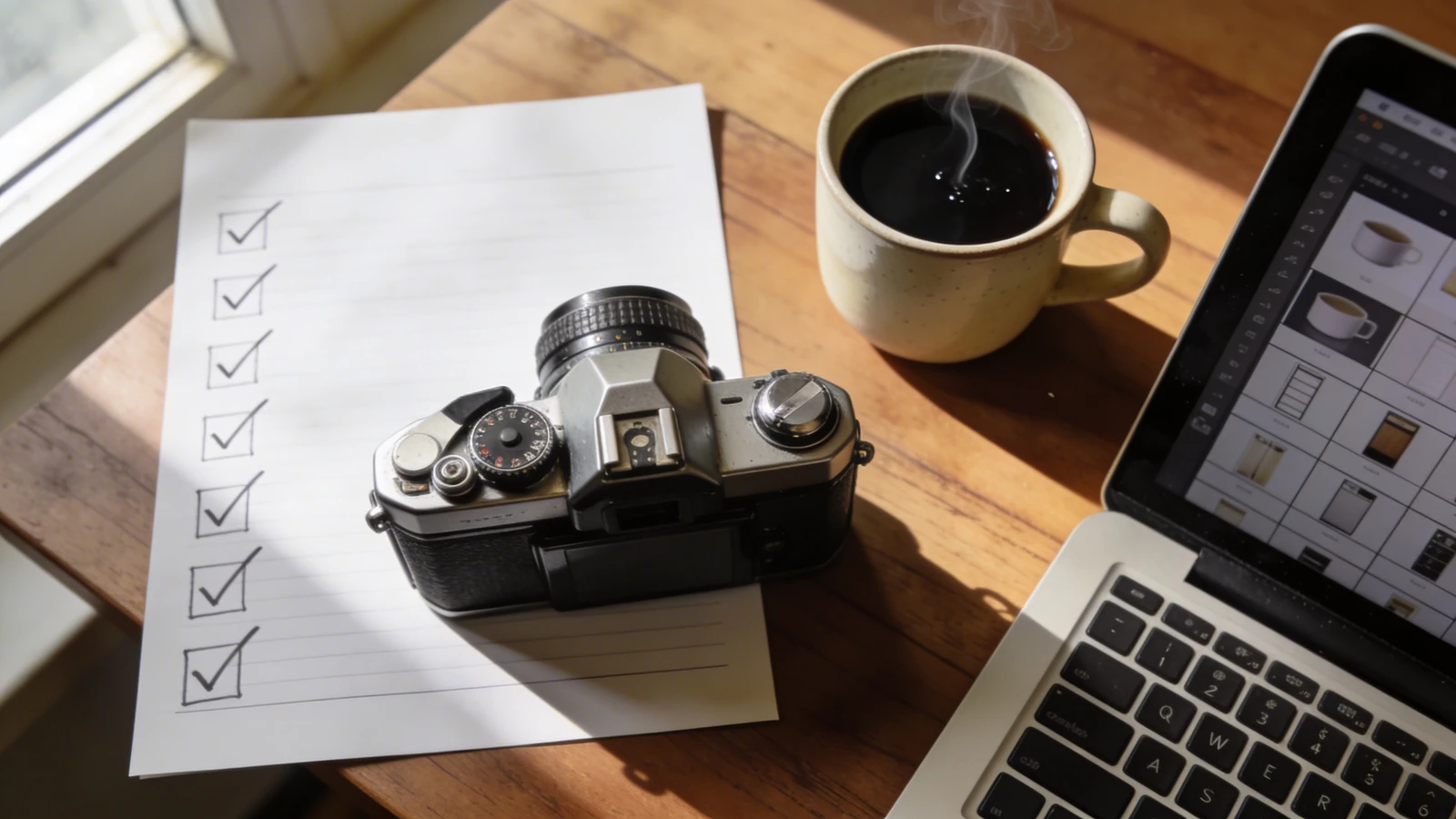
If the photographer is shooting on a digital camera, mandate that they "tether" the camera to a laptop (meaning the images appear instantly on a screen as they are shot).
This is not vanity; this is quality control. You must see the image instantly to adjust your micro-expressions. Is your chin tilted too high, catching a terrible shadow? Is the oversized blazer completely swallowing your waistline? By reviewing the raw data directly on a screen during the shoot, you guarantee that you leave the location with at least five undeniably perfect, portfolio-ready assets.
The Web Layout Integration Strategy
Once you receive the finalized, retouched images from the photographer, you must format them strategically on your digital portfolio.
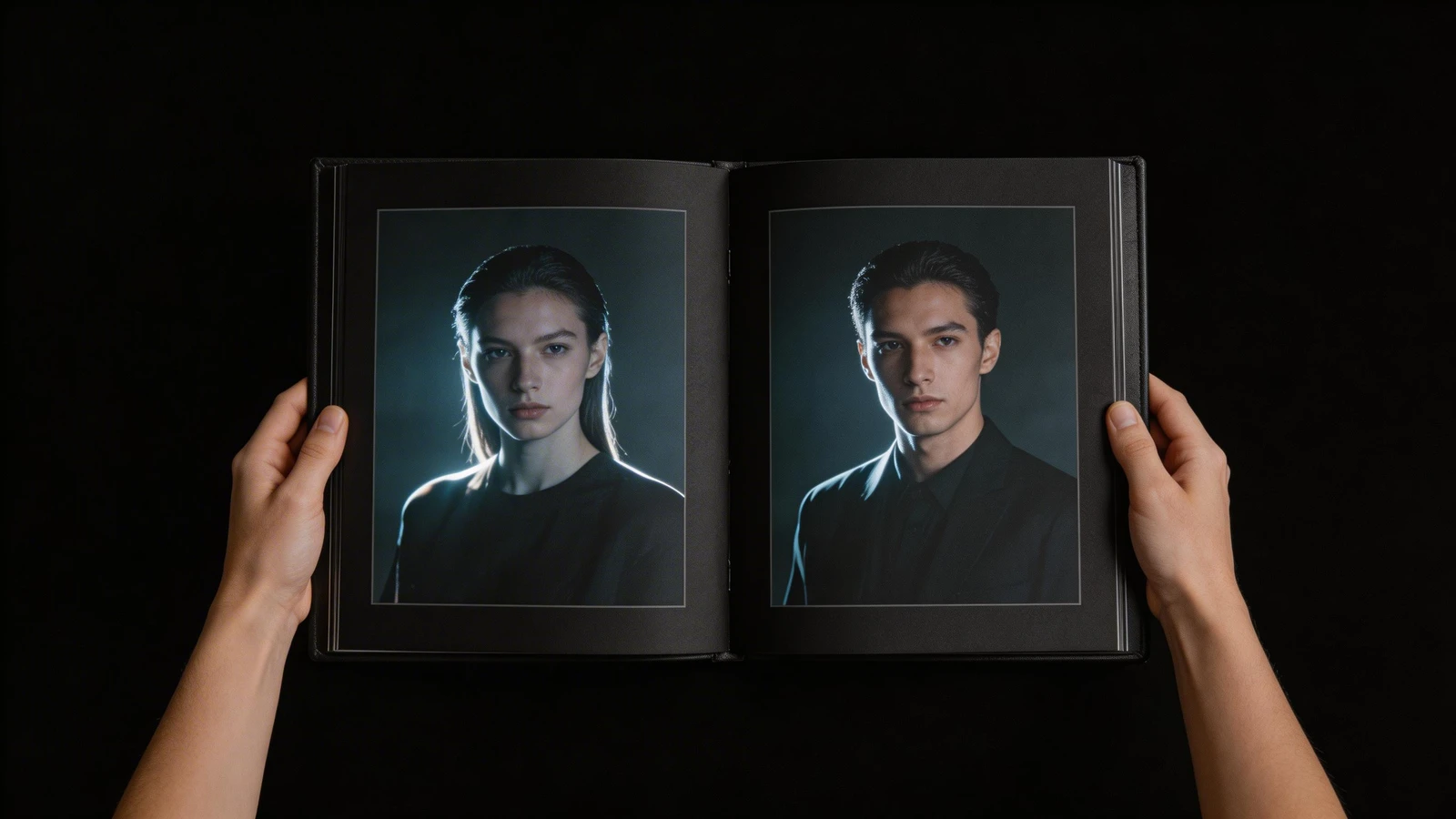
Do not just dump the new images at the top of a chaotic webpage. Synthesize them into a highly-directed "Editorial Case Study." Create a dedicated gallery block on your website exclusively for this specific shoot. Title it professionally (e.g., "Structural Study No. 1: Monochromatic Editorial"). Use dynamic masonry grids to seamlessly interlock a massive full-body wide shot directly next to an intimate, razor-sharp macro crop of your facial structure.
By framing your collaborative test shoot utilizing the exact same formatting language that Vogue or Harper's Bazaar uses, casting directors will subconsciously assume it was a massive paid campaign. Generating industry authority requires elite digital presentation. By moving your modeling career to Portfoliobox, you unlock the minimalist templates and uncompressed structural grids necessary to frame your collaborative photoshoots as premium commercial art — no coding required.