When freelancers, designers, and creative professionals decide to build a website, they are often bombarded with options. Because it is so heavily advertised, Weebly is frequently one of the first platforms they consider. It is famous for its drag-and-drop simplicity and e-commerce integration.
However, Weebly was built to serve the masses—specifically small retail businesses, local services, and bloggers. When a visual creative attempts to use it to build a bespoke portfolio, they immediately hit walls. In the comparison of Weebly vs Portfoliobox, you are looking at a generalist tool versus a specialized creative engine. Here is a direct, head-to-head analysis to help you decide which platform is the ultimate choice for your creative career.
1. Aesthetic and Layout Flexibility
Weebly: Weebly’s templates are highly rigid. They are built on strict grids designed to hold text boxes and product listings. If you are a photographer or an illustrator trying to create a dynamic, editorial-style gallery, you will find it nearly impossible. Weebly’s system actively resists asymmetrical layouts and tight control over negative space. Furthermore, the templates often look "corporate," making your creative work look like it belongs on a local accountant's website.
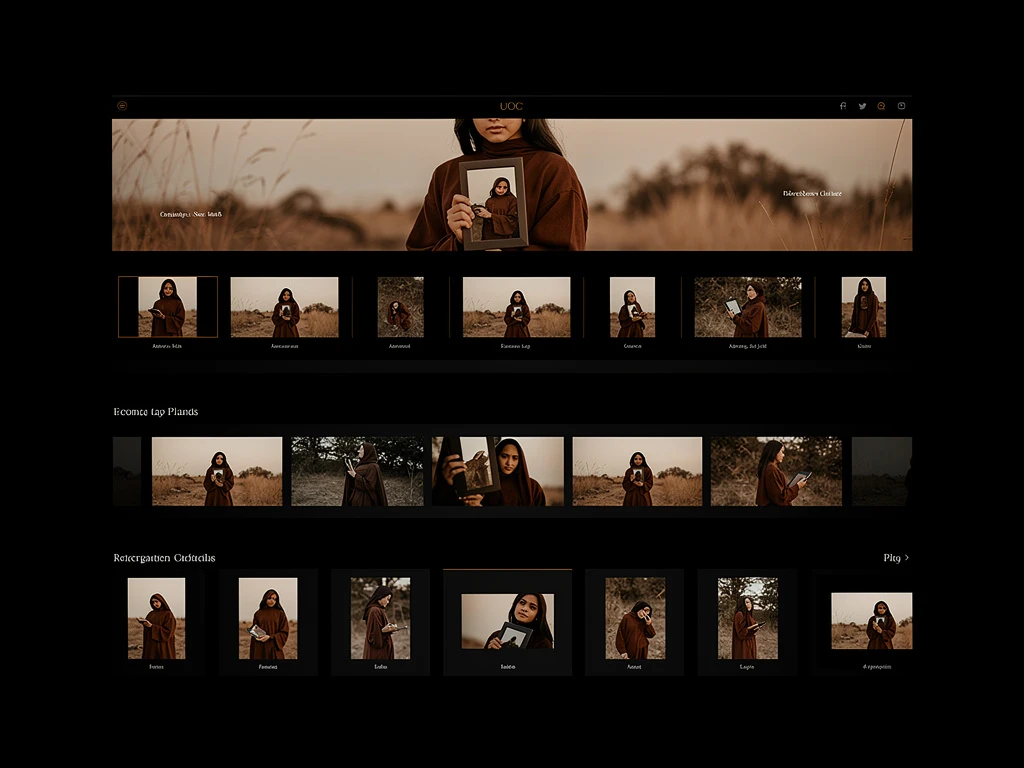
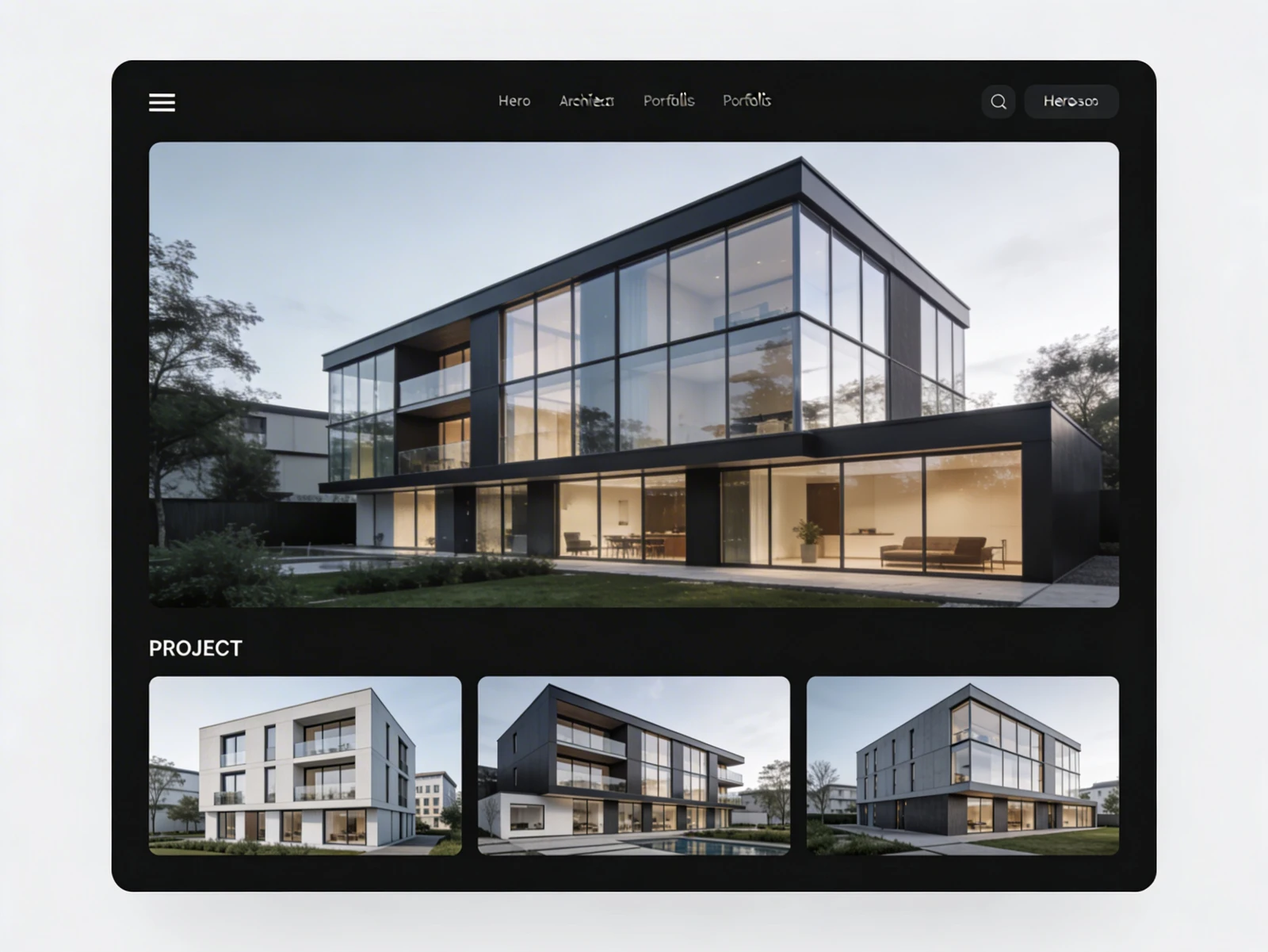
Portfoliobox: Portfoliobox was built entirely for visual presentation. It abandons rigid templates in favor of a modular, block-based system. You can effortlessly combine a massive, full-screen image slider with a dynamic masonry gallery on the same page. You have total control over margins, padding, and typography, allowing you to create a sleek, minimalist aesthetic that feels like a high-end design agency.
Winner: Portfoliobox (For offering unrestricted, bespoke creative layouts).
2. Image Rendering and Quality
Weebly: Because Weebly hosts millions of small business websites, its server architecture prioritizes fast loading times over image fidelity. When you upload a massive, high-resolution photograph or a detailed graphic design file, Weebly’s backend will heavily compress it. When an art director zooms in on your work, they will see pixelation and blur, immediately cheapening your brand.
Portfoliobox: Portfoliobox’s infrastructure is optimized for creatives. It prioritizes pristine, uncompressed visual rendering. When you upload a high-resolution file, it retains its absolute clarity, sharpness, and true-color accuracy.
Winner: Portfoliobox (For uncompromising image quality).
3. E-commerce and Selling Your Work
Weebly: Weebly (which is owned by Square) has an incredibly powerful e-commerce engine. It is excellent for managing inventory, shipping calculations, and standard retail logistics. However, its storefronts look like traditional retail stores. If you are a creative selling a $500 limited-edition art print or a $50 digital preset pack, the corporate checkout process can feel disconnected from the luxury aesthetic of your portfolio. Furthermore, advanced e-commerce features require expensive premium tiers.
Portfoliobox: Portfoliobox offers a robust e-commerce system that is fully integrated into the sleek aesthetic of the portfolio builder. You can sell physical products, digital downloads, or even client services. Most importantly, Portfoliobox does not take a percentage commission on your sales, ensuring you keep 100% of the profits from your creative work.
Winner: Tie (Weebly is better for massive retail logistics; Portfoliobox is better for high-margin creative goods).
4. Brand Alignment
Weebly: Using a mass-market builder signals to high-end clients that you prioritize convenience over bespoke presentation. It is functional, but it is not luxurious.
Portfoliobox: Portfoliobox is the "White Cube" gallery of the internet. It provides the invisible frame required to let your creative work shine, establishing instant industry authority.
The Final Verdict
In the battle of Weebly vs Portfoliobox, the winner depends entirely on your business model.
If you are opening a local coffee shop or selling 500 different variations of t-shirts, Weebly is the superior tool. But if you are a creative professional—a designer, illustrator, or photographer—whose entire career relies on premium visual presentation and bespoke branding, a generalist builder will only hold you back.
If you want a website that actually reflects the quality of your creative work, Portfoliobox is the undisputed winner. With Portfoliobox, you can build an agency-grade professional portfolio in minutes — no coding required.