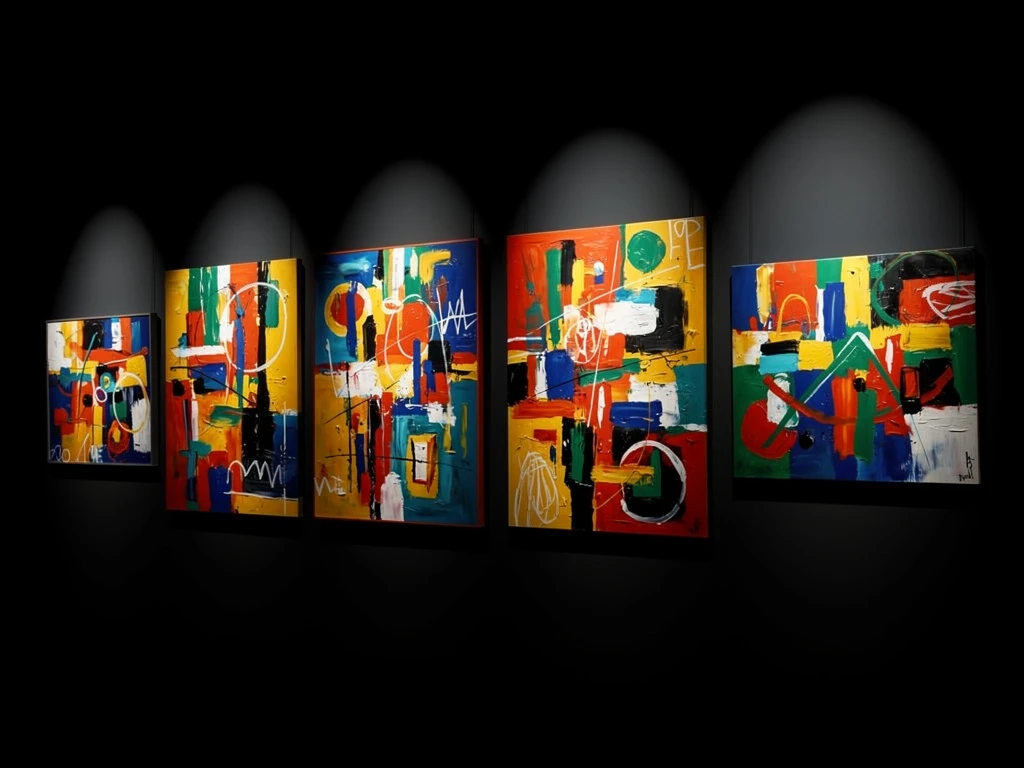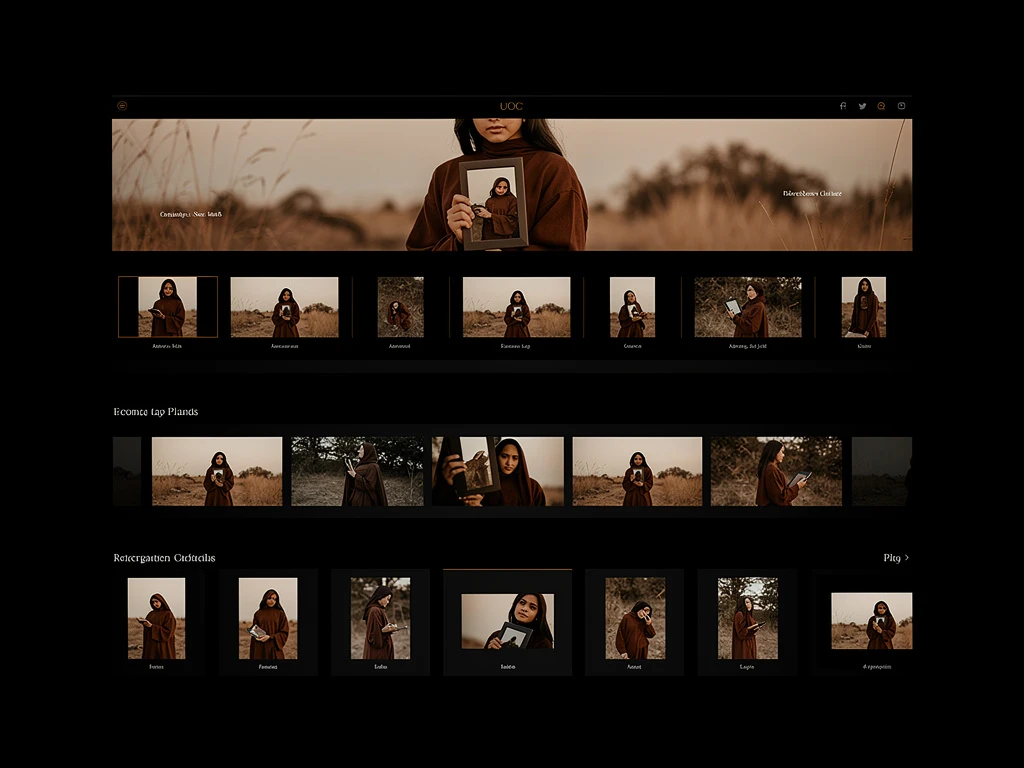
In the world of creative portfolio builders, Cargo (formerly Cargo Collective) occupies a very specific niche. It is famous for its avant-garde, brutalist design templates. Many graphic designers, experimental typographers, and edgy fashion photographers flock to Cargo because it offers layouts that deliberately break traditional web design rules.
While this chaotic, experimental aesthetic is incredibly cool to other designers, it often creates a massive problem when trying to secure commercial work: terrible user experience (UX). If a corporate client or an art director cannot figure out how to navigate your website because the menus are hidden or the typography overlaps the images, they will simply leave. If you love creative freedom but need a website that actually converts visitors into paying clients, you need a powerful Cargo alternative. Here is why creative professionals are migrating to Portfoliobox.
The Frustrations with Cargo
Cargo's dedication to experimental design often comes at the expense of usability and functionality.
1. The "Too Edgy to Function" Problem
Cargo templates often prioritize style over clarity. Menus float in random corners, images overlap text, and cursor interactions can be chaotic. While this proves you are "artsy," it actively frustrates commercial clients who just want to view your work and find your email address. A portfolio is ultimately a sales tool. If the design creates friction, you lose money.
2. A Confusing, Code-Heavy Backend
Despite being marketed as a template builder, fully customizing a Cargo site often requires a deep understanding of CSS and HTML. The backend interface is notoriously unintuitive. If you want to make a simple change to the padding around an image, you often have to dig through lines of code rather than using a simple visual slider. For creatives who want to focus on their art rather than web development, this is a massive drain on time.
3. Limited E-commerce Capabilities
If you are a creative who sells physical prints, digital assets, or design services, Cargo is not built for you. Its commerce integrations are limited and often feel bolted-on rather than seamlessly integrated into the core platform, making it difficult to run a professional storefront alongside your portfolio.
The Portfoliobox Advantage
Portfoliobox offers the creative freedom that designers crave, but pairs it with an intuitive interface and premium functionality, making it the ultimate Cargo alternative.
1. Professional, Frictionless Layouts
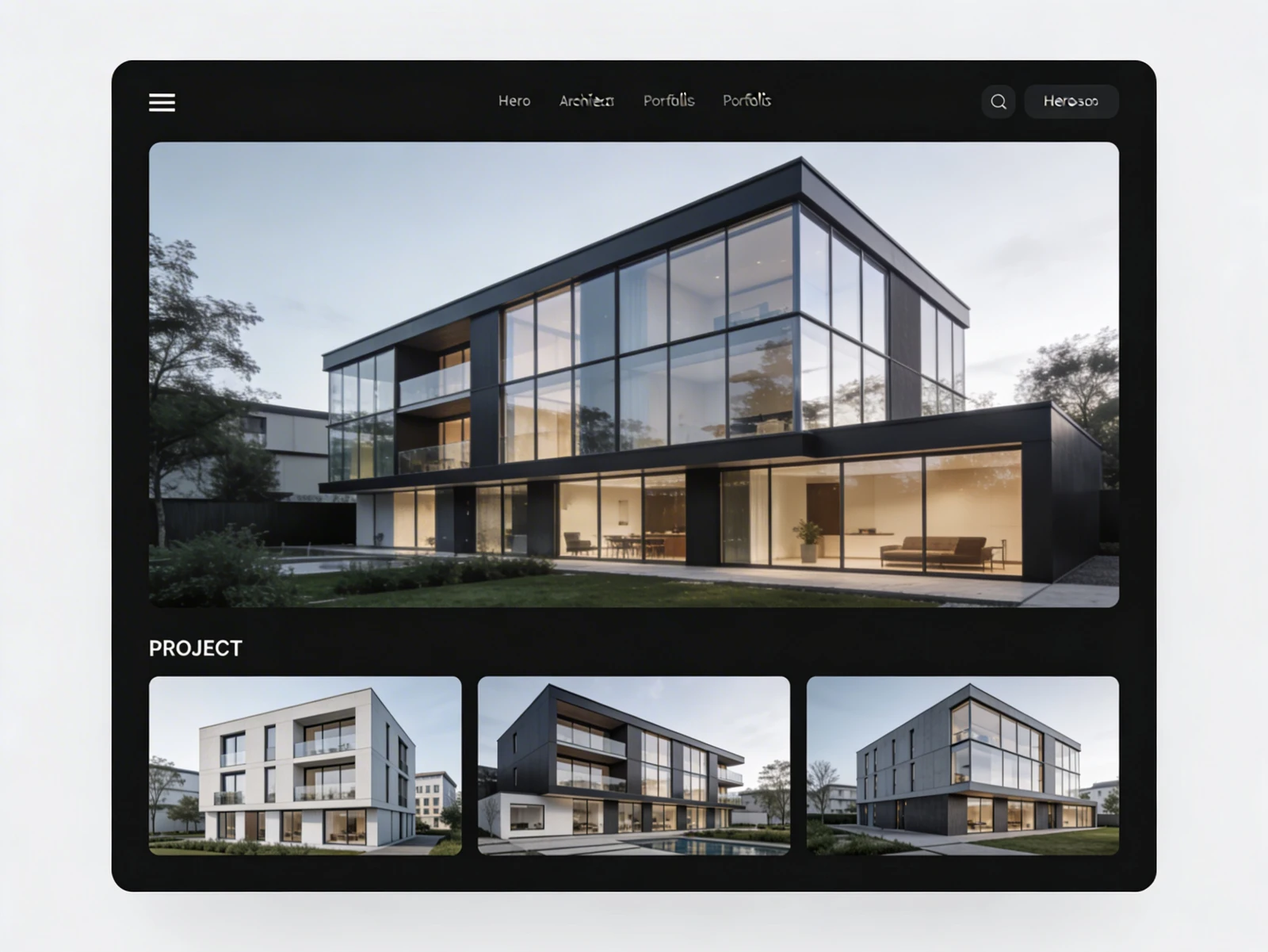
Portfoliobox allows you to build stunning, highly customized layouts without sacrificing user experience. You can create dynamic asymmetrical masonry grids and immersive full-screen sliders that look incredibly modern and edgy, but remain easy for clients to navigate. You control the negative space and typography, ensuring your work remains the center of attention without overwhelming the viewer.
2. True No-Code Customization
You do not need to know a single line of CSS to build a bespoke website on Portfoliobox. The platform uses a modular, visual block system. You can mix and match different layouts on any page and adjust margins, colors, and fonts using intuitive visual controls. You get all the creative freedom without the headaches of coding.
3. Built-In, Zero-Commission Commerce
Portfoliobox empowers creatives to become businesses. It features a robust, fully integrated e-commerce engine. You can sell your physical art or digital downloads directly from your site. Most importantly, Portfoliobox takes zero commission fees. You keep 100% of your revenue.
The Verdict
Cargo is a fantastic playground for experimental web design, but if you are trying to run a reliable freelance business, its chaotic templates and confusing backend become a liability.
If you want a website that proves your creative edge while remaining professional enough to book high-end corporate clients, you need the ultimate Cargo alternative. With Portfoliobox, you can build a stunning, agency-grade portfolio in minutes — no coding required.