For freelancers, designers, and visual creatives, choosing the right website builder is one of the most critical business decisions they will make. The two platforms that frequently dominate this conversation are Squarespace and Portfoliobox.
Squarespace is a massive, heavily funded tech giant known for its sleek marketing and podcast sponsorships. Portfoliobox is a specialized, independent platform built exclusively by and for creative professionals. While both platforms can yield beautiful results, their underlying philosophies—and their ultimate utility for a working creative—are vastly different. In the debate of Squarespace vs Portfoliobox, which platform actually empowers your career? Here is a direct, head-to-head comparison.
1. Design Flexibility and Layout Freedom
Squarespace: Squarespace relies heavily on its proprietary "Fluid Engine." While this grid-based system is an improvement over their older, rigid templates, it still forces your content to snap to a uniform grid. If you are a designer trying to execute a highly experimental, asymmetrical layout, or a photographer who needs absolute, pixel-perfect control over negative space, the grid system can feel incredibly restrictive. Furthermore, because millions of businesses use Squarespace, the templates have a distinct, recognizable "look." It is hard to break the mold.
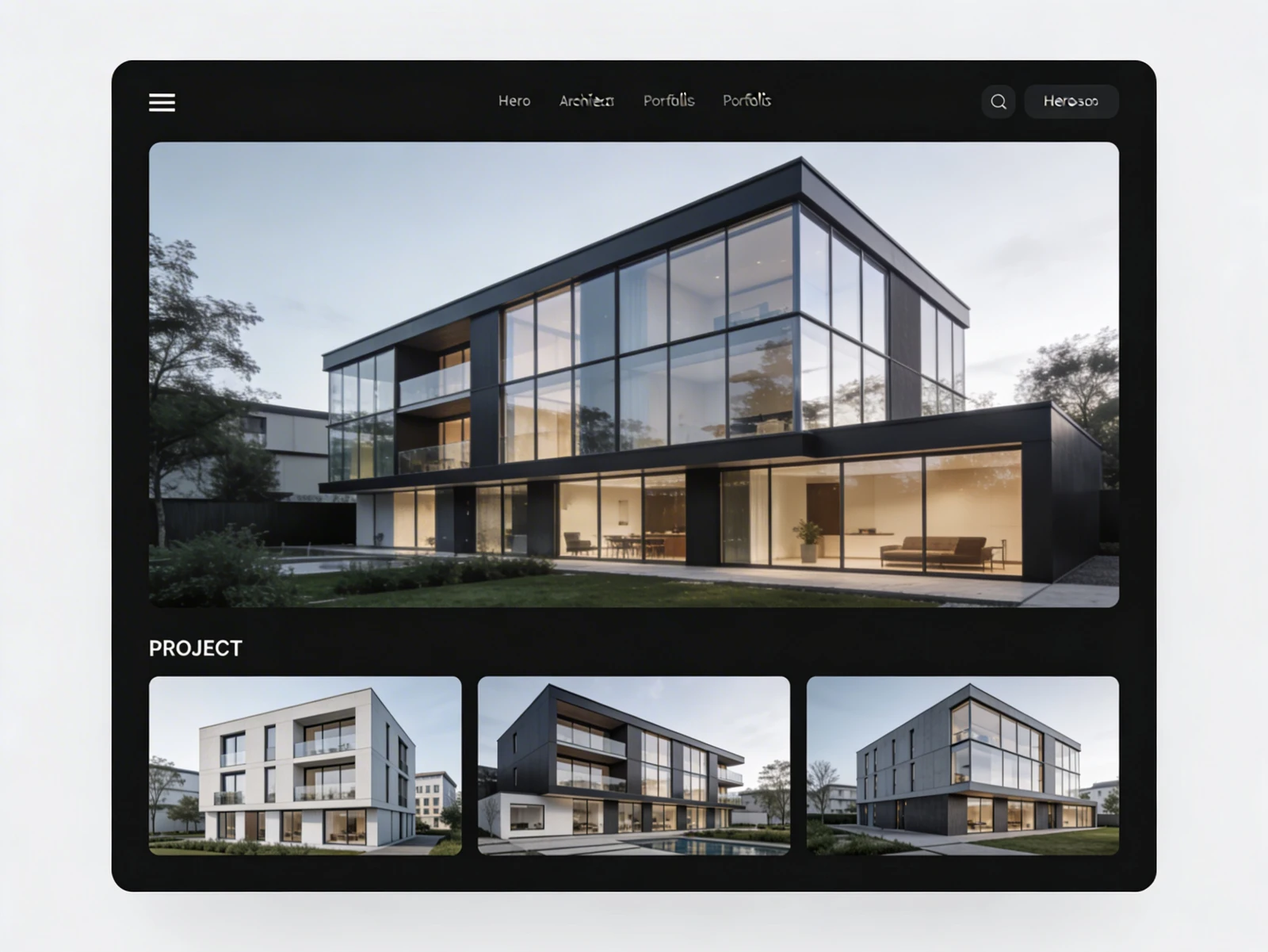
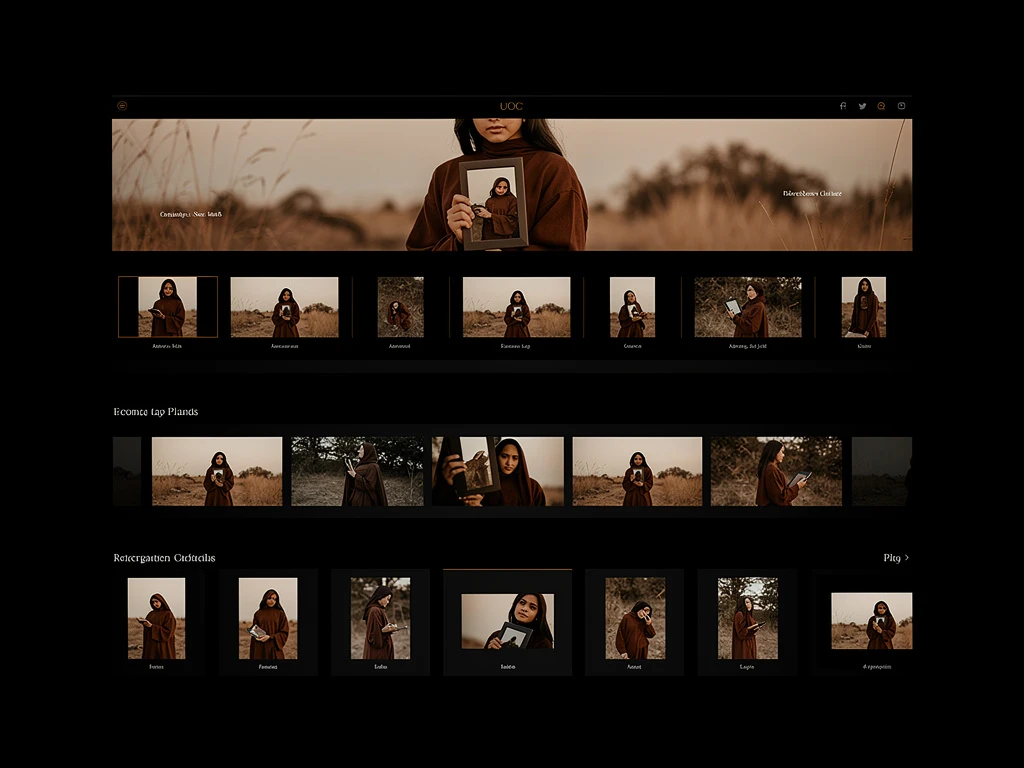
Portfoliobox: Portfoliobox does not lock you into global templates or strict snapping grids. It uses a highly flexible, block-based modular system. This means you can have a full-bleed horizontal slider on your homepage, immediately followed by an interlocking masonry layout of vertical portraits. You have deep, intuitive control over typography, padding, and margins, allowing you to build a bespoke digital identity that looks like a high-end editorial magazine, not a mass-market template.
Winner: Portfoliobox (For offering true creative freedom rather than rigid grids).
2. Image Compression and Visual Fidelity
Squarespace: Squarespace hosts millions of heavy, text-based corporate websites and e-commerce stores. To keep their servers running fast, they apply aggressive automatic compression to image uploads. If you are a creative whose work relies on razor-sharp details—like fine art textures, intricate typography, or high-end retouching—this compression will make your images look muddy and soft when viewed on high-resolution Retina displays.
Portfoliobox: Because Portfoliobox is built explicitly for visual creatives, its server architecture is optimized for high-fidelity rendering. When you upload a massive, uncompressed photograph or graphic, the platform retains its absolute sharpness and true-color accuracy. When a high-paying client zooms in on your work, they see perfection.
Winner: Portfoliobox (For uncompromising image rendering).
3. E-commerce Integration and Fees
Squarespace: Squarespace has a world-class e-commerce engine. It handles complex shipping logistics, automated tax calculations, and massive inventory management brilliantly. However, this power comes at a cost. Unless you are paying for their most expensive "Advanced Commerce" monthly tier, Squarespace takes a 3% transaction fee on every sale you make—on top of standard credit card processing fees.
Portfoliobox: Portfoliobox integrates a robust e-commerce storefront directly into your portfolio, allowing you to seamlessly sell physical prints, digital assets, or freelance services. Crucially, Portfoliobox operates on a zero-commission model. They do not take a percentage of your sales, allowing creatives to keep 100% of their hard-earned revenue.
Winner: Tie (Squarespace is better for running a massive retail warehouse; Portfoliobox is better for creatives wanting to keep their profit margins).
The Final Verdict
In the comparison of Squarespace vs Portfoliobox, the choice comes down to your primary goal.
If you are opening a traditional retail business, a restaurant, or a massive online dropshipping store, Squarespace's robust logistical backend makes it the winner.
However, if you are a creative professional—a photographer, designer, illustrator, or artist—whose career depends on bespoke visual presentation, uncompressed image quality, and the ability to sell work without paying commission fees, the choice is clear.
You need a platform built specifically for your industry. With Portfoliobox, you get the specialized tools required to build an agency-grade professional portfolio — no coding required.