For many creative professionals—designers, photographers, and illustrators—Adobe Portfolio seems like the logical default choice for building a website. Because it is included "for free" with an Adobe Creative Cloud subscription, millions of creatives activate it simply out of convenience.
However, convenience is rarely the foundation of a standout brand. As your career progresses and you need to build a truly bespoke digital presence that separates you from the competition, the limitations of the Adobe ecosystem become glaringly apparent. If you are tired of rigid templates and restricted creative control, you need a dedicated Adobe Portfolio alternative. Here is why the industry's top professionals are migrating to Portfoliobox.
The Limitations of Adobe Portfolio
While it is a functional tool for beginners, Adobe Portfolio is ultimately a secondary feature of the Creative Cloud, not Adobe’s primary focus. This leads to several frustrating bottlenecks.
1. The "Default" Aesthetic (The Template Trap)
Because millions of creatives use Adobe Portfolio simply because it is free with their subscription, the platform's templates have become ubiquitous. Art directors and clients can instantly recognize an Adobe Portfolio site. When your website looks identical to thousands of other creatives applying for the same jobs, you immediately lose your competitive edge. Furthermore, the templates are notoriously rigid; breaking the grid to create a unique, asymmetrical layout is incredibly difficult.
2. Lack of Integrated E-Commerce
One of the most significant drawbacks of Adobe Portfolio is its inability to sell work. There is no native e-commerce engine. If you are a designer trying to sell digital assets, a photographer selling preset packs, or an artist selling prints, you cannot do it directly on the platform. You are forced to link out to third-party marketplaces (like Etsy or Shopify), which creates a disjointed user experience and often requires you to pay separate monthly fees and transaction percentages.
3. The Subscription Hostage Situation
Adobe Portfolio is only "free" as long as you maintain your expensive Creative Cloud subscription. If you decide to cancel or pause your Adobe software subscription (perhaps migrating to alternative design software), your entire website will be taken offline. Your digital identity is held hostage by a software ecosystem.
The Portfoliobox Advantage
Portfoliobox was built specifically to solve the presentation and business needs of visual creatives, offering a level of freedom that makes it the premier Adobe Portfolio alternative.
1. Total Layout Freedom
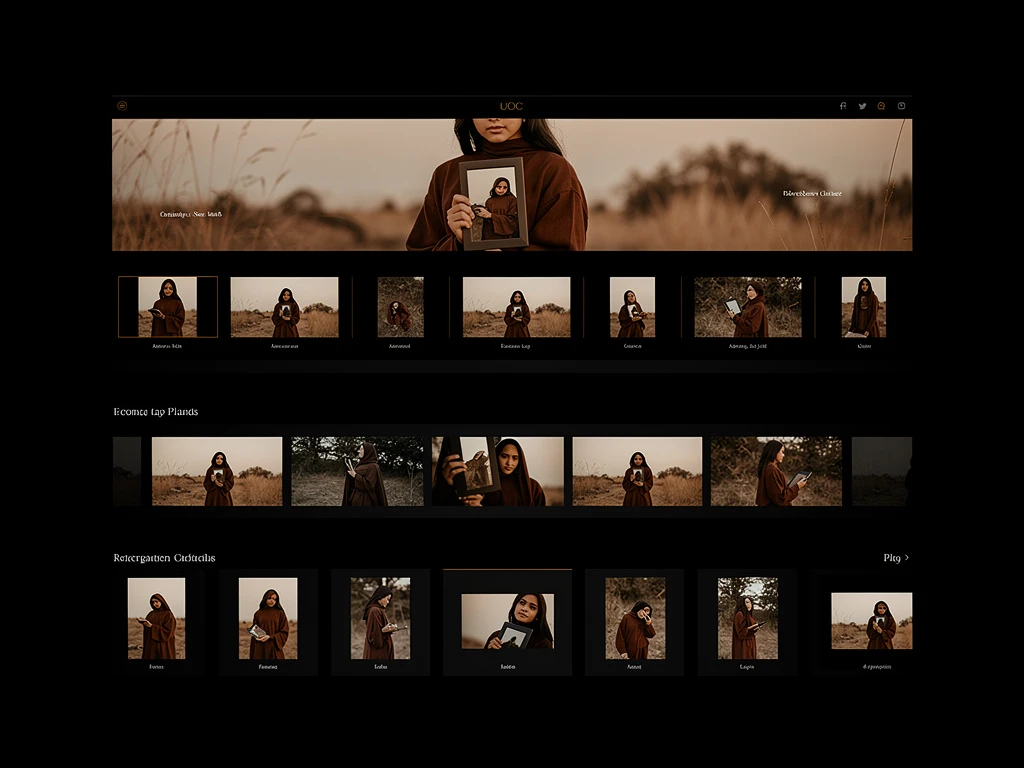
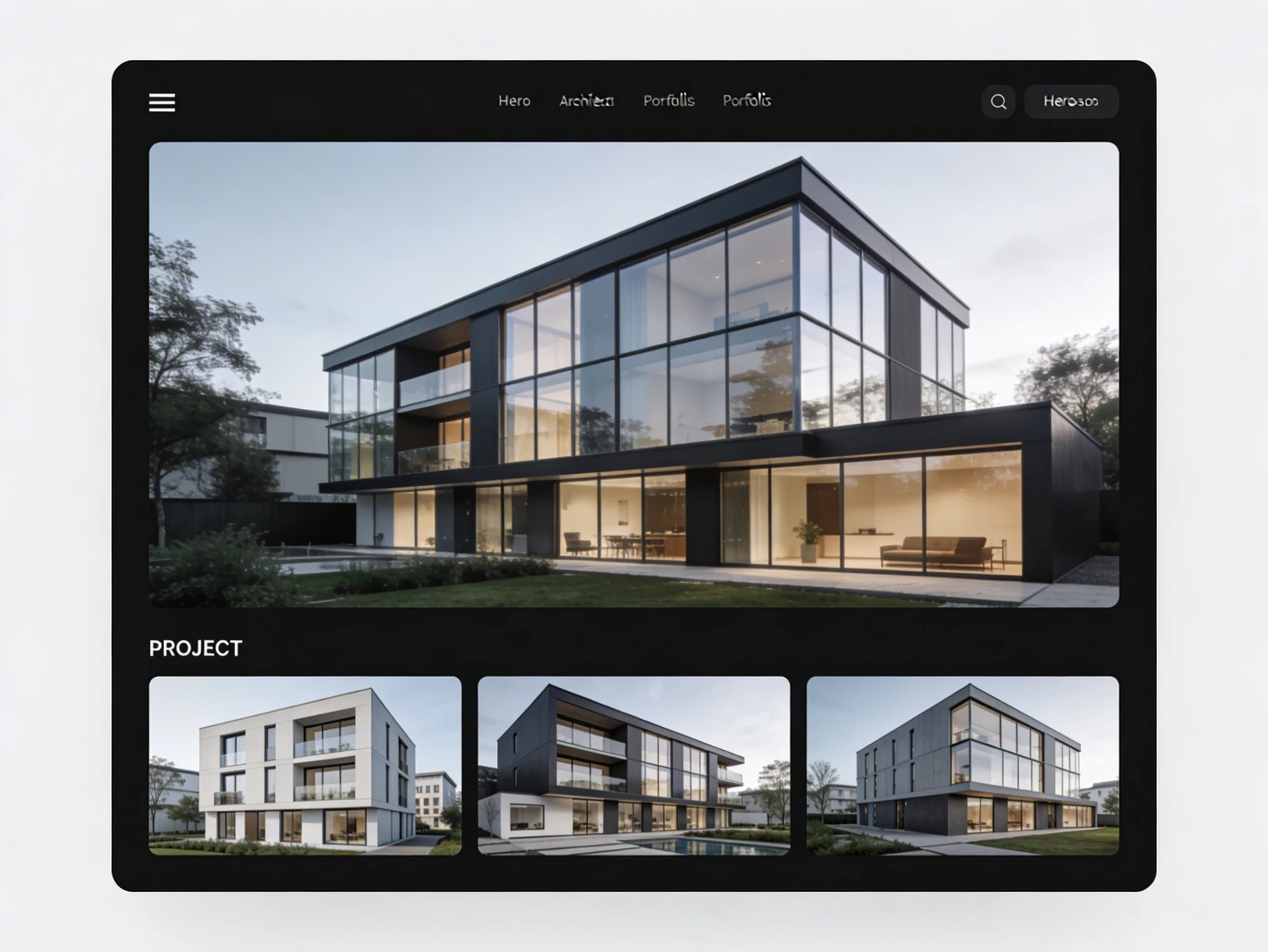
Portfoliobox does not lock you into rigid templates. It operates on a modular block system. You can mix and match dynamic masonry grids, immersive full-screen sliders, and minimalist single-column layouts on any page. You have complete control over negative space and typography, allowing you to build a website that is as bespoke and unique as your creative work.
2. Native, Zero-Commission Commerce
Portfoliobox understands that creatives need to monetize their skills. The platform features a robust, seamlessly integrated e-commerce engine. You can sell physical products, digital downloads, or client services directly from your portfolio. Most importantly, Portfoliobox takes zero commission on your sales.
3. Independence and Ownership
With Portfoliobox, your website is an independent entity. You are not forced to rent expensive design software just to keep your portfolio online. You own your digital presence.
The Verdict
Adobe Portfolio is a fine starting point for students who already pay for the Creative Cloud. But if you are a working professional who needs a standout brand identity and the ability to sell your work directly to clients, convenience is no longer enough.
If you are ready to break free from the Adobe ecosystem and build a truly unique digital presence, you need the ultimate Adobe Portfolio alternative. With Portfoliobox, you can build an agency-grade website in minutes — no coding required.