Your portfolio website has one job: make the right people want to work with you. Not impress everyone, just the clients, galleries, agencies, or collaborators you're trying to reach.
That sounds obvious, but most portfolios get pulled in other directions. They try to show everything, experiment with complex layouts, or prioritise style over substance. The portfolios that actually convert visitors into opportunities tend to do a few things consistently well.
Lead with your strongest work, not all of your work
The most common mistake in a portfolio is treating it like an archive. Including everything signals that you can't distinguish your best work from the rest, and if you can't, visitors won't try.
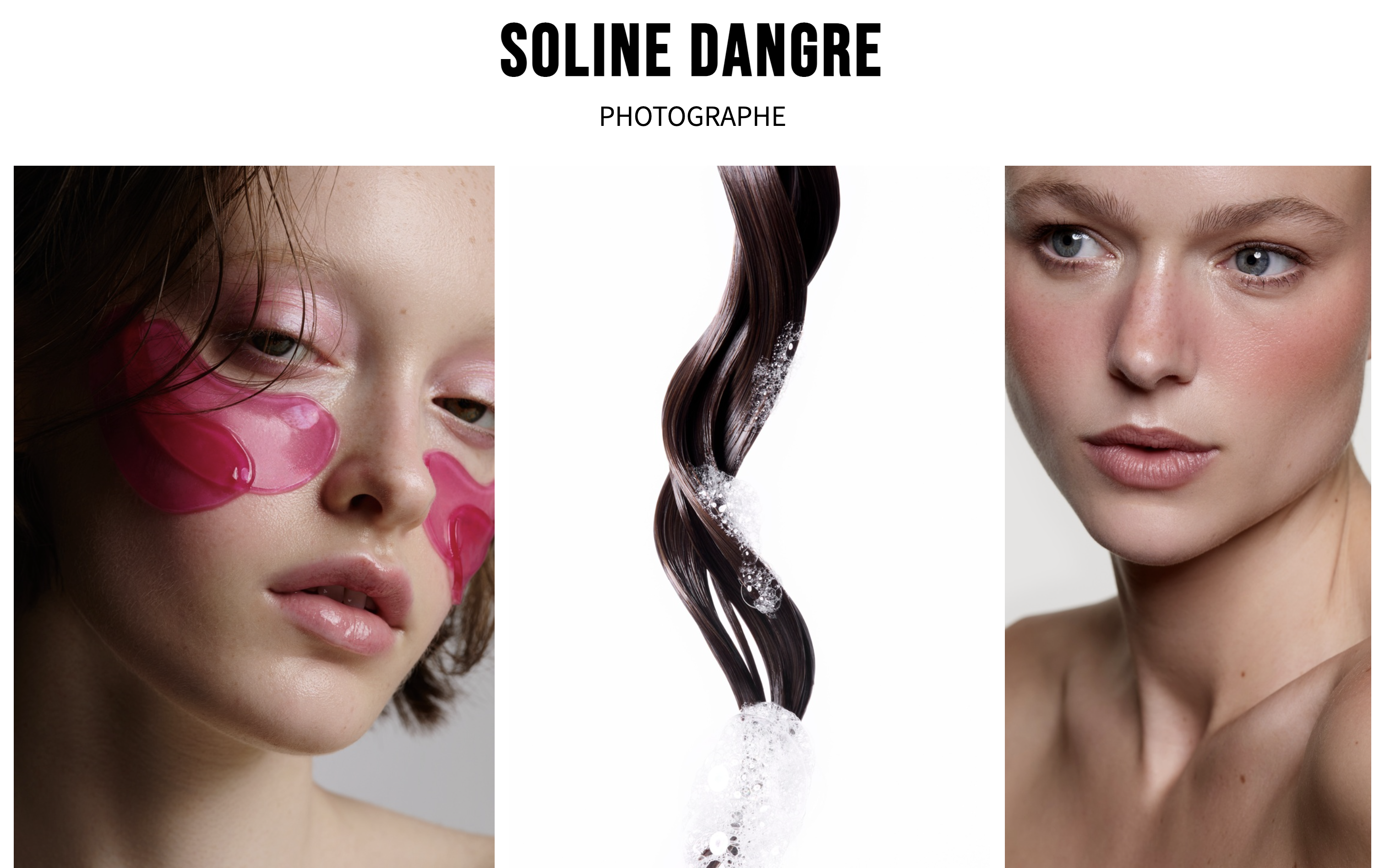
A tighter selection does more than a larger one. Eight to twelve projects is usually enough to demonstrate range without diluting impact. Choose pieces that represent the type of work you want to attract, not just the work you've done. If a project doesn't make someone want to hire you for similar work, it's taking up space that could go to one that does.
Order matters too. Your first two or three projects set expectations for everything that follows. Put your most striking or recognisable work at the top, and arrange the rest so there's variety in scale, colour, and composition as someone scrolls.
Present images with care
Portfolio websites live and die on image quality. This goes beyond having high-resolution files, it means thinking about how images sit on the page.
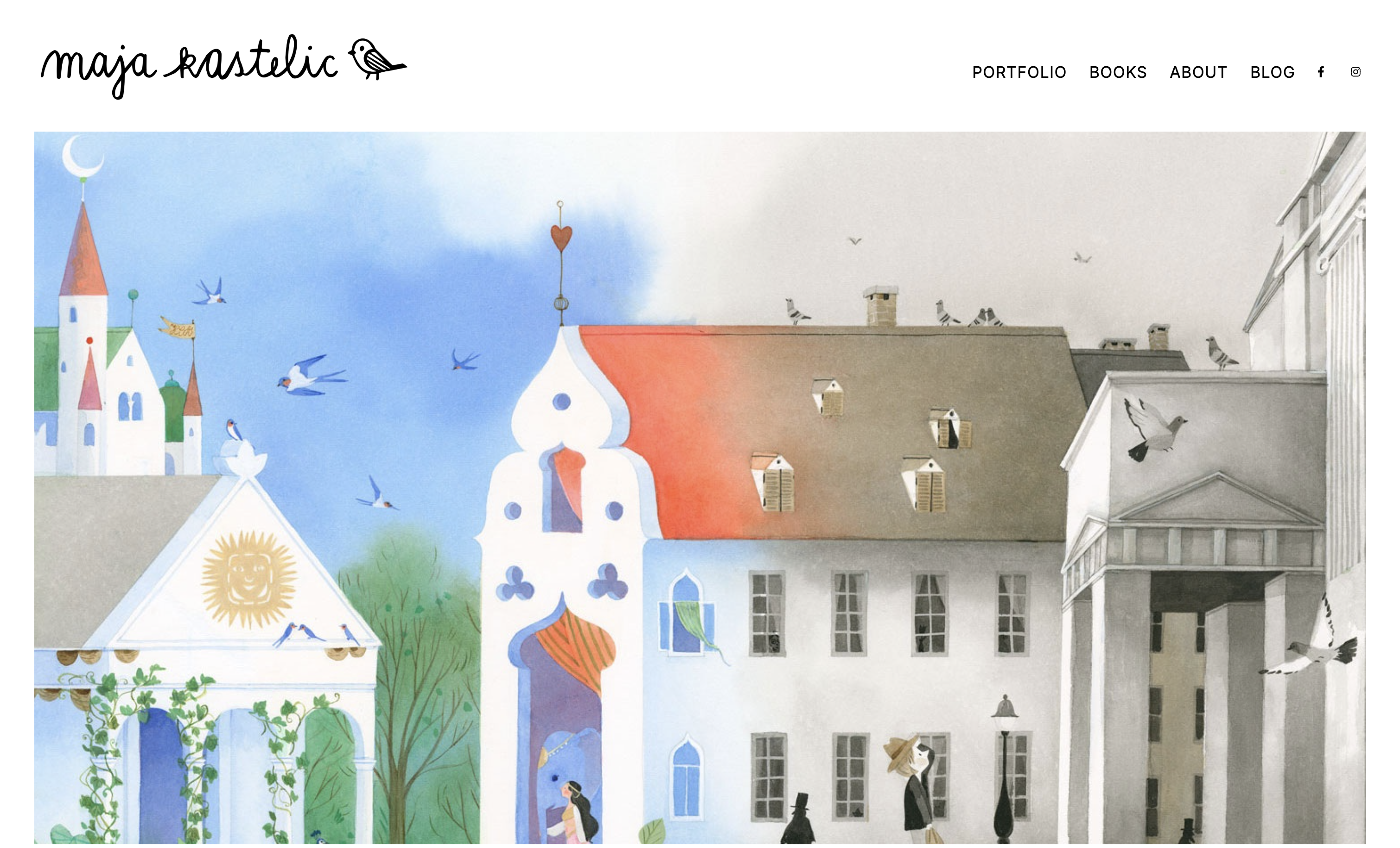
Give your work room to breathe. Cramming images into tight grids or layering them over busy backgrounds forces the viewer to work harder than they should. Clean, generous spacing lets each piece land properly.
Be consistent with how you crop, frame, and size your images. If one project uses full-bleed photography and the next uses small thumbnails with heavy borders, the portfolio feels disjointed even if the work itself is strong. Pick an approach and stick with it across the site.
Add just enough context
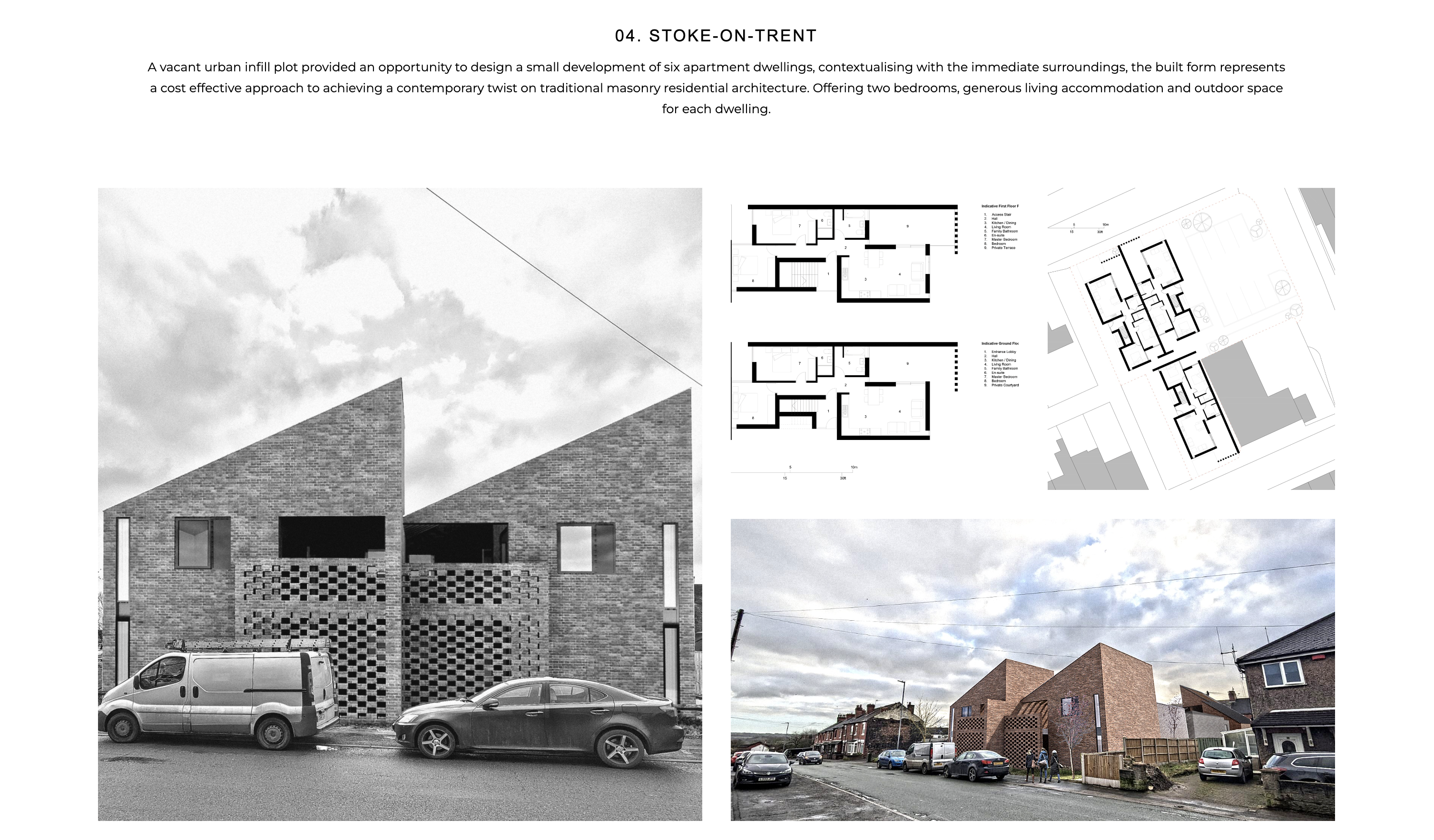
Visitors shouldn't have to guess what they're looking at. A brief project description, the client or purpose, your role, and the outcome, gives your work a frame that makes it easier to appreciate.
Keep it short. Two to four sentences per project is usually plenty. The work is the main event; the text is there to orient the viewer, not to compete for attention.
An about page matters more than most people think. Clients hire people, not just portfolios. A few sentences about who you are, how you work, and what you're drawn to can be the thing that turns a passive browser into someone who reaches out.
Use layout to guide, not to impress
Unusual layouts can be tempting, especially for designers. But a portfolio that's difficult to navigate or unpredictable in its structure puts the focus on the interface rather than the work.
The most effective portfolios use simple, repeatable layouts. A clean grid for the overview page and a consistent structure for individual project pages is enough. Visitors should always know where they are, what they're looking at, and how to move forward.
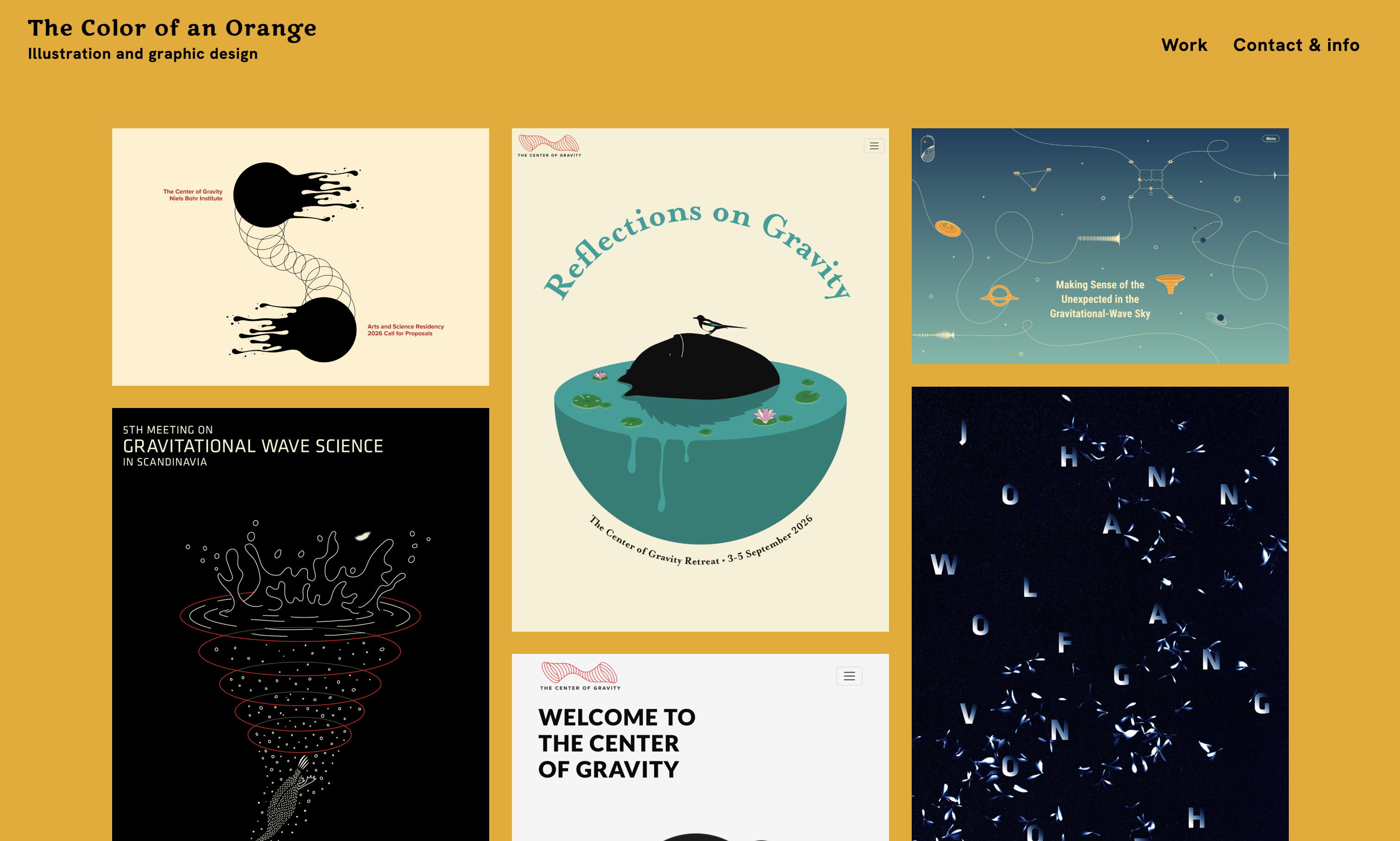
Navigation should be minimal and obvious. If someone has to think about how to get to the next project or back to the homepage, the layout is working against you.
Make it easy to get in touch
A surprising number of portfolios bury their contact information or leave it out entirely. Every page should make it straightforward for someone to reach you, whether that's a visible email address, a short contact form, or a clear link in the navigation.
Don't make people hunt for it. If your portfolio does its job and someone wants to hire you, the path from "I like this work" to "let me get in touch" should take seconds, not clicks. For photographers, this is often the difference between a gallery visit and a booking
Keep it current
A portfolio with outdated work sends an unintentional message: that you're not active, not growing, or not paying attention. Set a reminder to review your portfolio every few months. Remove work that no longer represents where you are, and add anything new that does.
Your portfolio is a living thing. Treat it like one, and it'll keep working for you long after you've moved on to the next project.
Looking for inspiration? Browse real portfolio websites built by creatives across industries.