One of the most paralyzing moments in a freelance graphic designer's career is staring at an email from a potential client that reads: "I love your work, but my nephew has Photoshop and offered to make our logo for $50. Why should we pay you $5,000 instead?"
If your response to this question relies strictly on discussing kerning, color harmony, or vector scalability, you have already lost the client. Business owners do not care about bezier curves. They care about revenue, trust, and market positioning.
The core struggle of the freelance design industry is not learning the software; it is learning how to articulate the profound business value of the service. If you cannot explain why graphic design is important, you cannot command professional rates. Here is how to strategically construct your portfolio's copywriting to prove that your design work is an undeniable financial investment, not just a line-item expense.
The Problem: Selling "Art" Instead of "Solutions"
Designers consistently make the fatal mistake of positioning themselves as artists on their digital portfolios. While graphic design inherently utilizes artistic principles, corporate branding is exclusively a psychological communication tool.
When your website's 'Services' page says: "I create beautiful, vibrant logos that express your company's inner spirit," you are selling emotion. Emotion is difficult to monetize.
You must reframe the problem. An inconsistent brand identity hemorrhages money. When a company's website looks cheap and misaligned with their packaging, consumer trust instantly drops, causing massive bounce rates at the point of sale. Good graphic design stops that bleed.
The Solution: Rewriting the 'About' Page
To command premium rates, you must adjust the baseline philosophy of your website's copywriting. The language on your portfolio must directly answer why graphic design is important to the client's bottom line.
Instead of writing about your passion for typography, structure your portfolio's 'About Me' section to hit these three psychological triggers:
- Immediate Market Trust: "I design brand identities that instantly signal luxury and competence to your target demographic, eliminating consumer hesitation before they even read your sales pitch."
- Visual Consistency: "I prevent revenue loss by standardizing your corporate aesthetic across all digital and print platforms, ensuring your brand never looks fractured or amateur."
- Strategic Hierarchy: "My layout design natively routes the user's eye directly to your 'Buy' button seamlessly, preventing navigational bounce."
If an executive reads that paragraph, they immediately understand they are hiring a strategic partner, not just someone who makes things look 'pretty'.
Prove The ROI Within Your Case Studies
Telling a client that your graphic design generates revenue is good; proving it visually is bulletproof.
When you upload a branding project to your digital portfolio, do not upload a single, massive flat PNG of the logo and move on. You must build a comprehensive 'Case Study'.
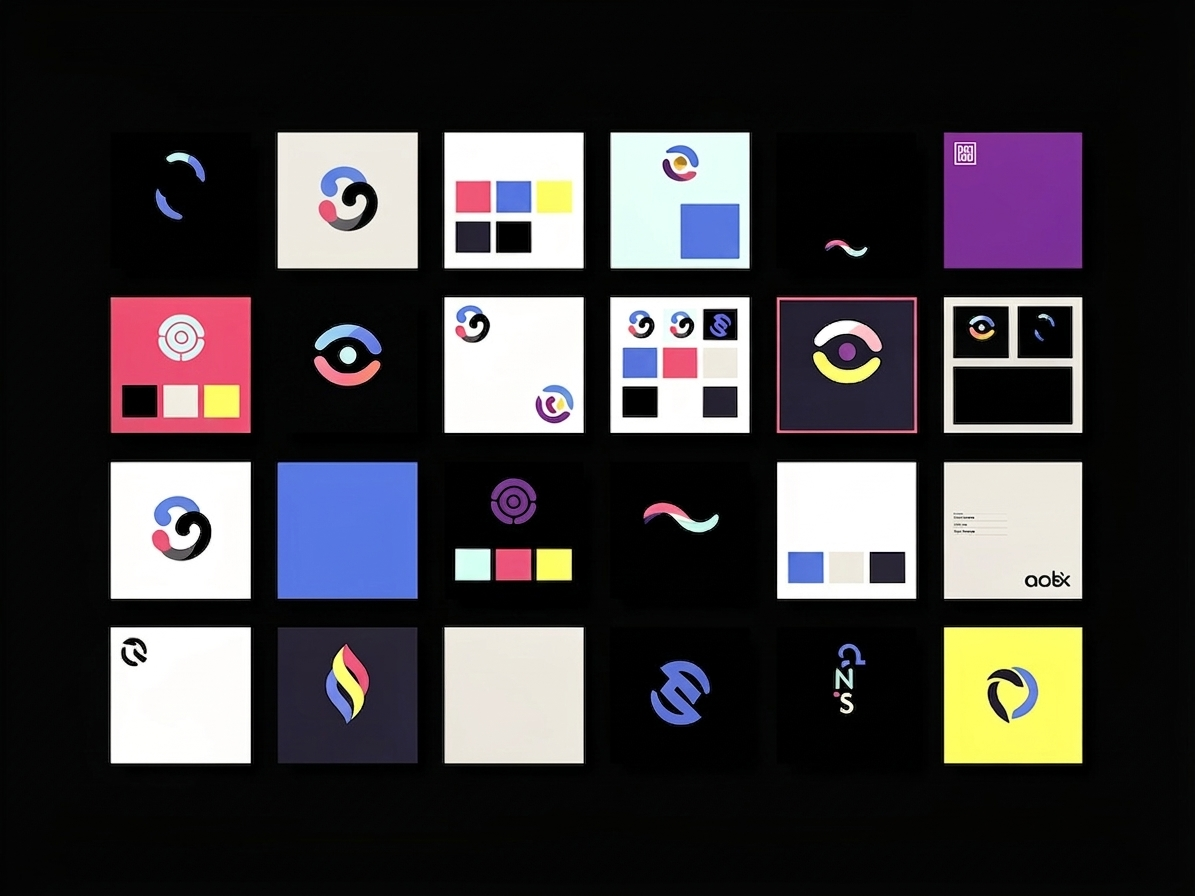
Outline the exact marketing problem the company faced (e.g., "Company X was failing to capture the Gen-Z market because their 1990s visual identity felt dated and untrustworthy"). Then, meticulously show the design solution. Display the new logo, the updated color palettes, the typographic hierarchy, and critically, how those elements completely transformed the physical packaging or the digital app interface.
By framing your portfolio around 'The Problem' and 'The Visual Solution', you implicitly teach every new visitor exactly why paying 100x the rate for your expertise is the only logical business choice.
Stop losing luxury clients because your website looks like an art gallery instead of a professional consultancy. With Portfoliobox, you can seamlessly integrate robust, text-heavy strategic case studies alongside your pristine vector graphics to prove your ultimate market value — no coding required.