Why designers need more than a beautiful portfolio
Designers work in highly competitive industries, where a portfolio website often determines whether a potential client reaches out or moves on. A strong portfolio website must do more than look good; it needs to communicate thinking, versatility, and professionalism.
The most effective designer portfolio websites combine aesthetics with clarity and storytelling. They guide visitors through projects in a way that feels intentional, helping them understand both the visual outcome and the designer’s approach.
Using layout and typography to guide the viewer
www.irinadzhus.com is a strong example of how typography and layout can shape the viewing experience. Projects are presented in a clear, well-structured way that makes it easy to follow along. Each section feels deliberate, with enough space to let the work speak while still providing context.
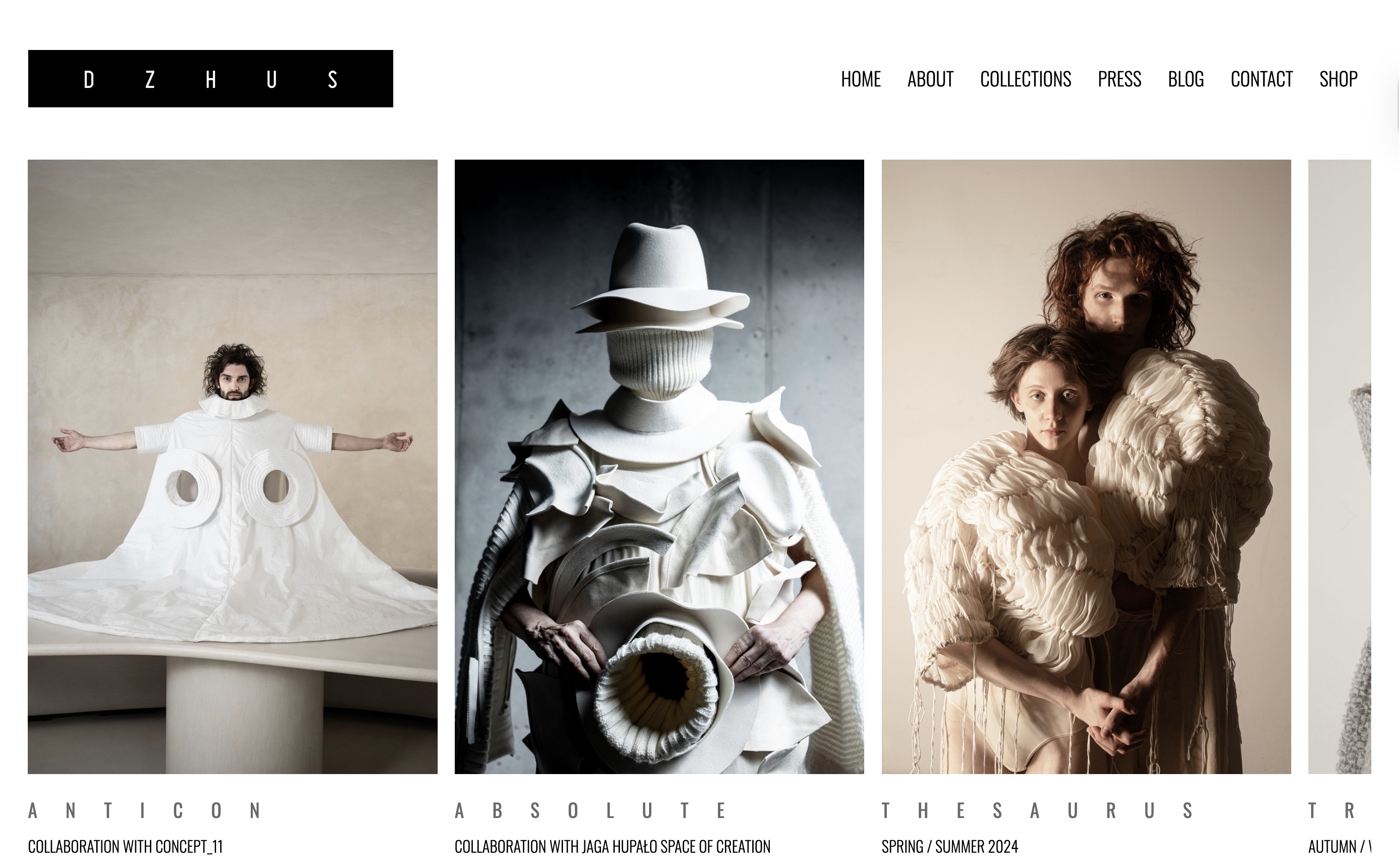
This type of structure is especially effective for branding and graphic designers, where visual hierarchy and consistency are key signals of expertise.
Balancing visual impact with professionalism
Another approach can be seen on www.patriciaproenca.com, where strong visuals are paired with a refined, professional presentation. The portfolio feels confident without being overwhelming, using a restrained design language that supports the work rather than competing with it.
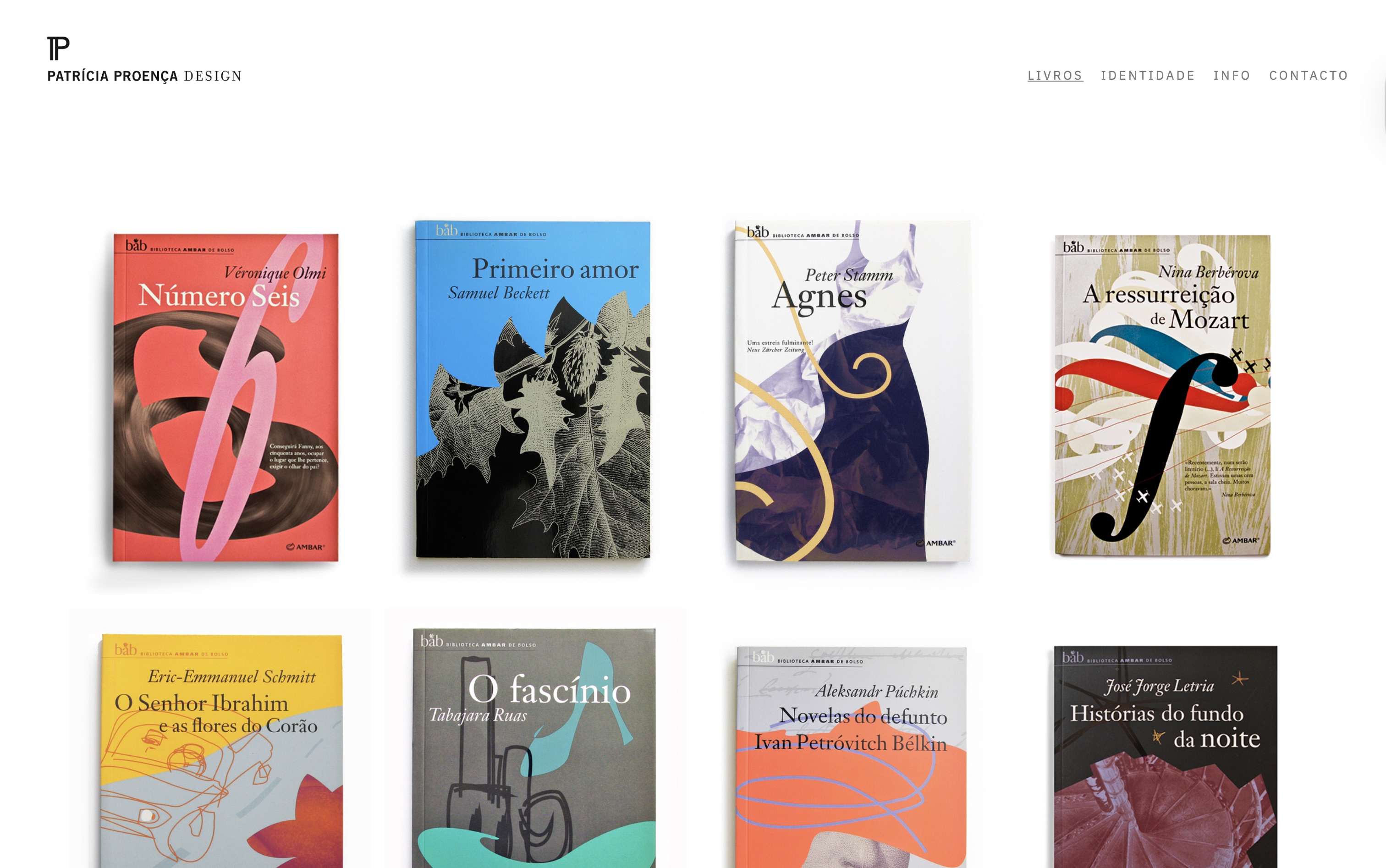
This balance helps build trust with potential clients, showing that creativity and reliability can coexist.
Showcasing versatility without losing focus
Designers with a broader creative range can learn from www.abstea.com, which blends design, lifestyle, and product visuals into a cohesive portfolio. Rather than presenting everything at once, the work is grouped thoughtfully, making it easier to explore different disciplines while maintaining a consistent visual identity.
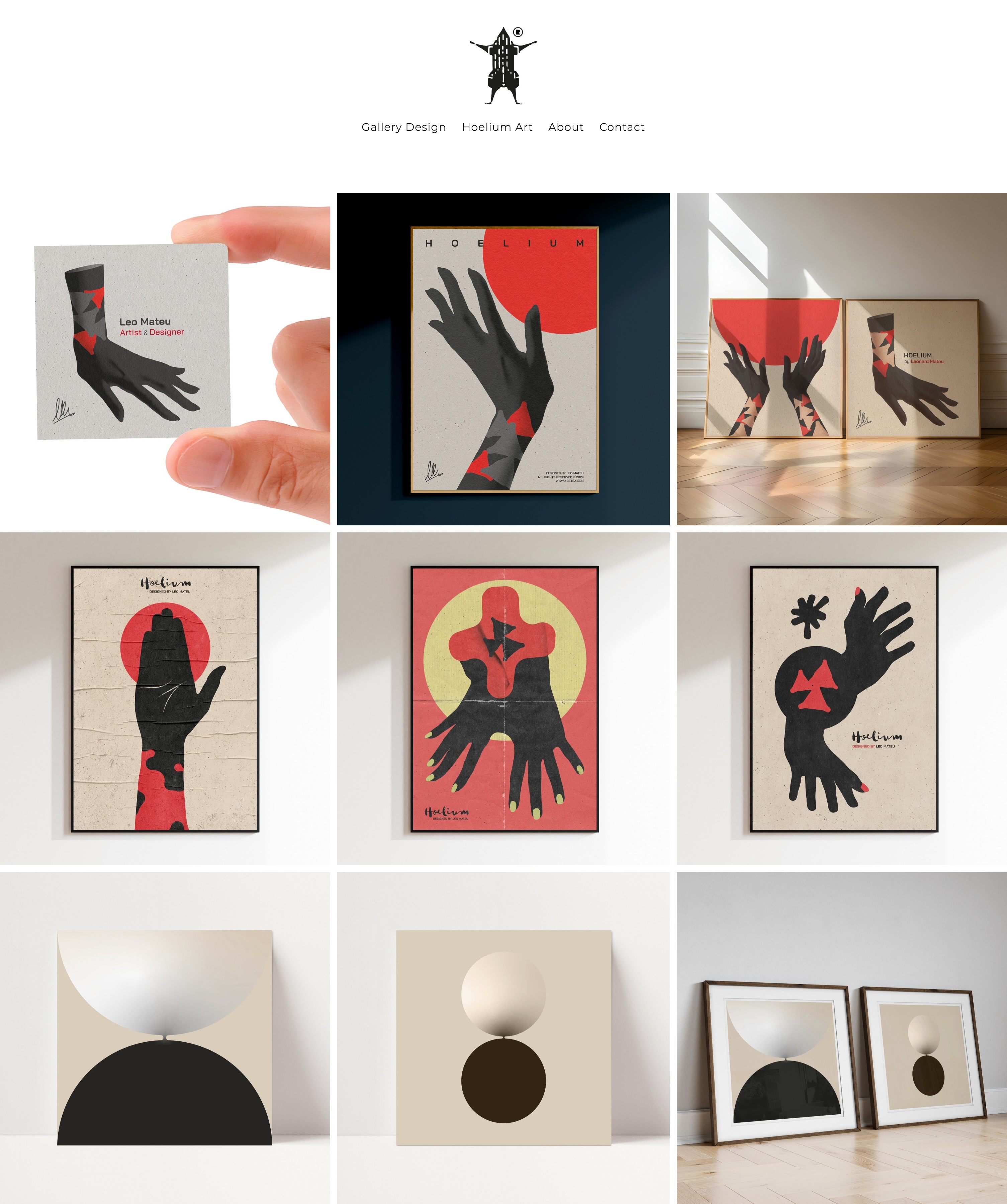
These designer portfolio examples show how presentation can elevate perception and help designers stand out in crowded markets.