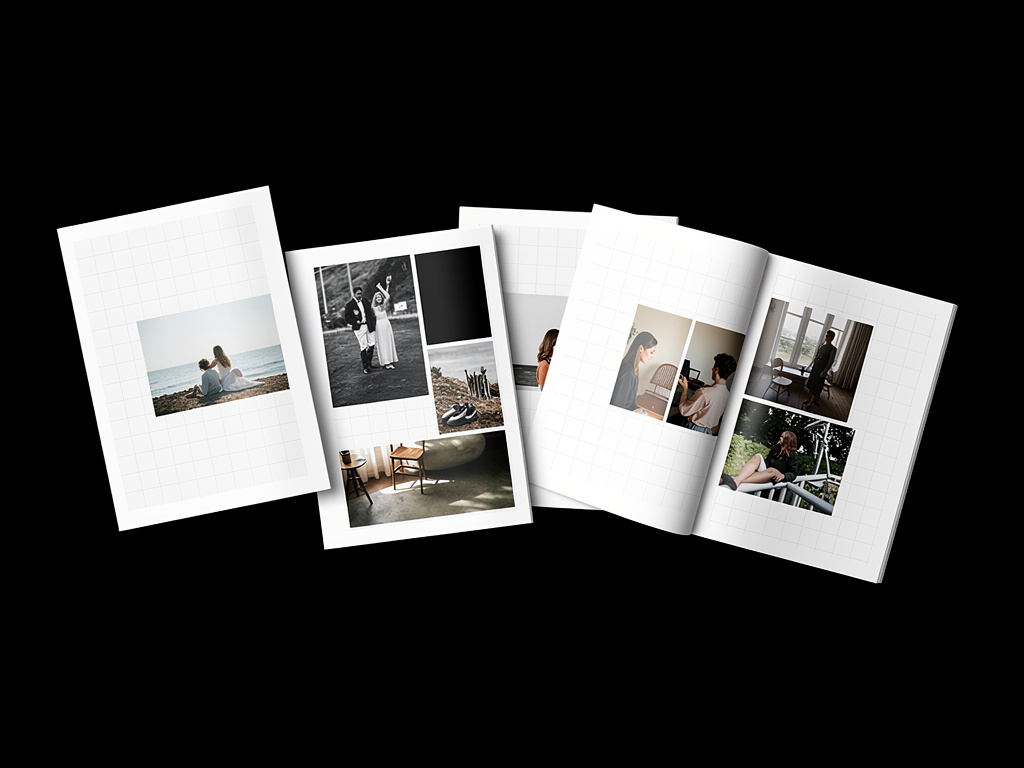
For over a decade, the standard deliverable in the graphic design industry was the 'interactive PDF'. Designers would painstakingly arrange their case studies in Adobe InDesign, compress the file down to a magical 10 megabytes, and email it into the void of an agency's recruiting inbox.
The rationale was that a PDF guaranteed absolute control. The designer knew exactly how the kerning, margins, and page breaks would appear on the receiver's screen because the format was locked.
However, we are no longer in the desktop era. Attempting to force an Art Director to download a dense, multi-page PDF on their mobile phone while they commute on a train is an aggressive logistical request. The friction involved in simply opening a PDF portfolio has caused it to transition from an "industry standard" to an "instant rejection." If you are still relying on static files to secure design roles, you are structurally handicapping your career.
The Problem: The Compression Compromise
The inherent flaw of the PDF design portfolio is file size limits. Most corporate email servers reject attachments larger than 10MB to 20MB.
If you attempt to jam 50 pages of high-resolution branding case studies, vibrant UI/UX screen mockups, and complex vector illustrations into a 9MB file, catastrophic compression is required. Your crisp typography becomes slightly blurred. Your vibrant brand vectors begin displaying jagged artifacting. You are effectively attempting to secure a hyper-competitive visual design job using a document that makes your work look technically flawed.
The Solution: Uncompressed Web CDNs
When you transition your case studies from a static PDF into a dedicated digital portfolio site, you inherit the power of modern server architecture.
A digital portfolio relies on Content Delivery Networks (CDNs). Instead of compressing your Illustrator mockups into a single 9MB email attachment, you upload uncompressed, perfect-resolution assets directly to your website. The platform organically handles the heavy lifting, delivering those perfect assets at lightning speed regardless of whether the recruiter is on a high-end desktop or a mobile phone. The visual integrity of your design work is preserved perfectly.
The Analytics Advantage
When you email a PDF to a recruiting director, the transaction is blind. You have no idea if they opened it, if they spent ten minutes reading it, or if it immediately hit their spam folder.
A dedicated URL flips this entire dynamic. By sending a secure link to your digital portfolio, you instantly activate backend analytics. You can track exactly when the recruiter clicked the link. You can see that they spent four minutes analyzing your FinTech App rebrand, but only five seconds looking at your student packaging project.
This tracking data is incredibly lucrative. It allows you to scientifically re-arrange the visual hierarchy of your portfolio based on real-world engagement metrics, rather than guessing what people want to see.
Eradicating Software Dependencies
A PDF assumes the receiver has the correct software, updated PDF viewers, and the patience to scroll vertically through page breaks. It also violently breaks if a recruiter attempts to view a landscape-oriented document on a vertically-held smartphone.
A modern digital portfolio is structurally agnostic. A well-built website utilizes responsive coding logic. If a recruiter opens your link on a massive 4K studio monitor, your masonry grid expands elegantly to fill the space. If they open it on a smartphone, the grid intelligently collapses into a smooth, readable single column. You never have to worry about the viewing format because the website adapts itself.
Stop letting email file limits destroy your immaculate vectors. By building your presence on Portfoliobox, you ensure your design portfolio operates flawlessly across every single device simultaneously, unmetered and beautiful — no coding or PDF compression required.