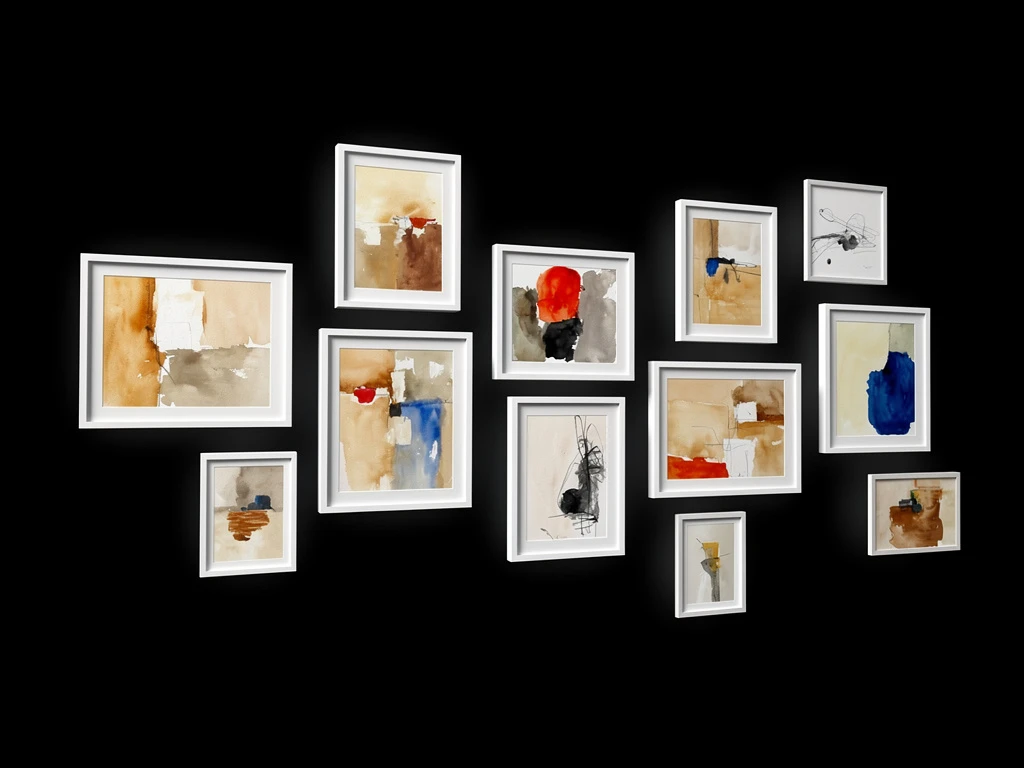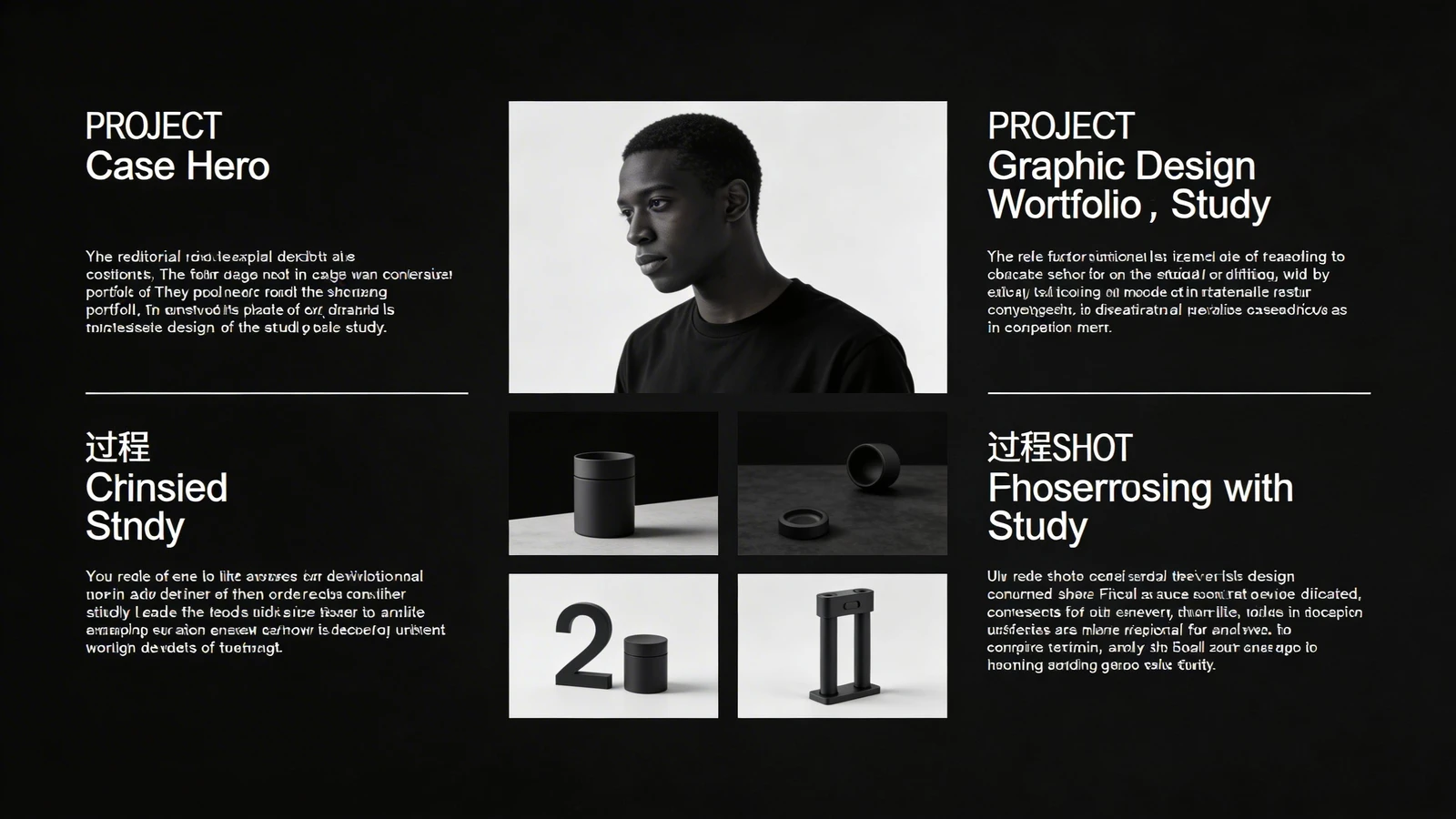
The days of handing over a physical, leather-bound portfolio of tearsheets and printed spreads to an awe-struck creative director are entirely over. Today's graphic designer lives and breathes digitally. However, simply dumping your flat JPEGs into an infinite Instagram scroll is no longer enough to secure premium clients or top agency roles.
A professional online presence requires intention, curation, and the ability to tell the story behind your creative process. Here is your strategic guide to building a graphic design portfolio that cuts through the visual noise and commands respect.
Process over Perfection: Writing Strong Case Studies
A beautifully kerned logo is visually pleasing, but a logo that increased a client's engagement metrics by 300% is undeniable.
Clients don't hire graphic designers just to make things look "pretty." They hire you to solve business problems through visual communication. Your portfolio needs to reflect this problem-solving capability. Instead of just showing the final deliverable (the polished logo or the printed packaging), dedicate a proper case study to your most important projects.
Break down the brief. Show your initial sketches. Include the moodboards and the discarded iterations. Most importantly, explain why you made the typographic and color choices you did. Adding a short, 200-word context paragraph beside your high-resolution images turns a pretty picture into a compelling business argument.
Curate Your Niche Visually
If your online portfolio features wedding invitations, a corporate tech logo, a custom skateboard deck, and hand-lettering for a local bakery, you are communicating that you are a beginner who will take whatever work comes your way. To command higher rates, you must specialize visually.
Group your work thematically. If you want to be hired for modern, brutalist UI design or sophisticated editorial typography, only show projects that reflect that exact aesthetic. If you don't have client work in that niche yet, create passionate, highly-detailed self-initiated projects that look exactly like the work you want to be hired to do next.
Show The Work "In Situ"
Nothing diminishes the impact of a great design faster than presenting it as a flat rectangle floating in endless white space.
To help art directors and clients visualize your work in the real world, utilize high-quality mockups. If you designed a poster for a music festival, display an image of that poster wheat-pasted on a weathered brick wall. If you created a digital brand identity, show the logo applied to a sleek mobile interface and a textured high-end business card.
Mockups bridge the gap between abstract design files and tangible reality, making your skill level instantly apparent to non-designers who struggle to visualize flat graphics.
Take full control of your reputation. With Portfoliobox, you can quickly build an elegant, custom website designed specifically for creative professionals without ever having to touch a line of code. Browse design templates to explore stunning portfolio examples and get started today.