Twenty years ago, a student graduating from a prestigious design university would spend roughly $500 printing a physical "Art Book." They would load this heavy, beautifully bound book into a leather briefcase and physically carry it into the lobby of a massive advertising agency, hoping a Creative Director would briefly flip through it.
Today, if you walk into the lobby of a massive advertising agency carrying a physical art book, security will politely ask you to leave.
Physical B2B recruitment is dead. The entire corporate hiring apparatus (from Human Resources scanning robots to Executive Creative Directors) operates exclusively within the digital realm. Because of this massive logistical shift, possessing a custom portfolio website is no longer a luxury "bonus"—it is the baseline industry standard. If you do not possess one, you are entirely invisible to the corporate machine. Here is exactly how the digital hiring pipeline functions, and why a custom layout is mandatory for survival.
The Reality of the "ATS" Filter
When a major video game studio or corporate branding agency posts an open job position online, they instantly receive between 500 and 2,000 applications.
Human beings do not read 2,000 applications. The corporation utilizes an Applicant Tracking System (ATS). These are highly aggressive automated software bots that scan applicant resumes looking specifically for correct keywords and URL formatting.
The ATS Rejection: If a young artist submits a generic PDF resume containing massive digital drop-box links or heavily coded physical attachments, the ATS software frequently panics. It flags the complicated attachments as potential malware, or simply fails to parse the file size, tossing the artist into the rejection pile before a human ever sees their name.
The Custom URL Immunity: An ATS robot loves exactly one thing: A clean, perfectly formatted Hyperlink. When a designer submits a lean, one-page PDF resume featuring a single, hyperlinked custom domain (www.johndoe-creative.com), the ATS reads it flawlessly. It verifies the domain age and stability, and pushes the application directly to the next round of human review. The custom URL mathematically guarantees your structural survival in automated systems.
Digital Fluidity vs The 'Static Print'
A physical printed design book is instantly obsolete the second the ink dries. If an illustrator prints a beautiful $500 art book, and two days later they execute a masterful, award-winning illustration for a massive client, they cannot put it in the book. They have to wait an entire year to justify re-printing the volume.
The Agility Mandate: Corporate hiring managers do not want to see what you achieved three years ago; they want to see what you achieved last Tuesday.
A custom digital portfolio provides infinite agility. When an artist finishes an incredible corporate contract at 2:00 PM, they can cleanly snap it into their website grid by 2:15 PM. Because modern portfolio builders utilize uncropped masonry grids and instant publishing tools, the creative's B2B presence is always terrifyingly current, proving immense professional stamina to potential employers.
Providing The 'Diagnostic UX' Test
When a Creative Director clicks a link to an artist's portfolio, they are not just evaluating the artwork. They are silently evaluating the interface.
If you use a generic, ugly, free template covered in external advertisements, the Creative Director assumes you possess terrible taste. If you possess terrible taste regarding your own website, you will clearly bring terrible taste to their corporate projects.
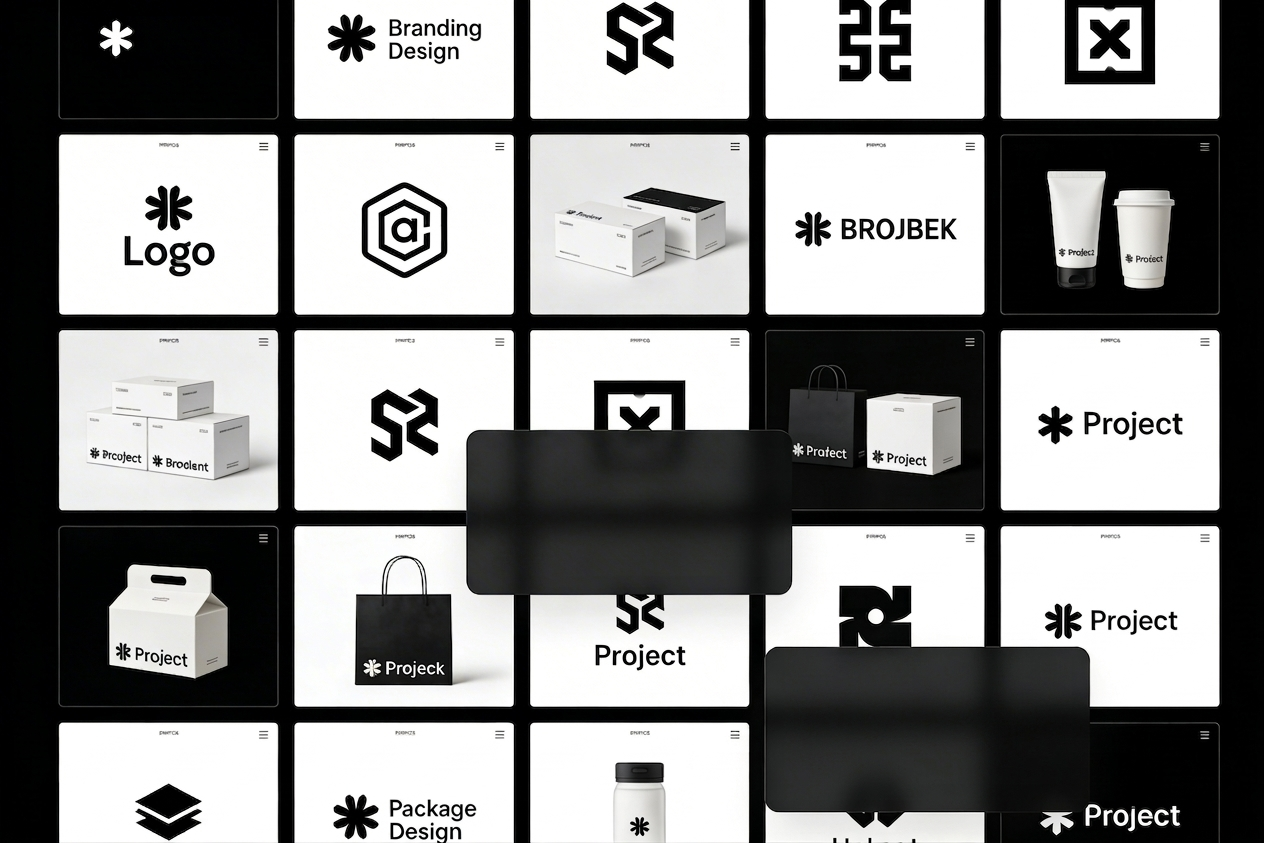
Alternatively, if the Director clicks your custom portfolio and finds themselves inside a beautifully formatted "White Cube" layout—featuring pristine typography, massive negative space margins, and lightning-fast scrolling—you pass the implicit UX (User Experience) test. You intuitively proved that you comprehend high-end digital aesthetics before they even looked at your paintings.
Sustaining a corporate career requires adapting to corporate hiring infrastructure natively. By building your professional hub on Portfoliobox, visual talents effortlessly secure the custom top-level domains, lightning-fast CMS engines, and perfectly responsive visual layouts required to outsmart automated ATS filters and deeply impress human executives — no coding required.