There is a stark, almost immediate psychological difference between landing on the website of an amateur enthusiast and navigating the digital portfolio of a globally represented, six-figure commercial photographer. But what exactly defines that difference?
It isn't necessarily the camera gear, and surprisingly, it isn't always the raw aesthetic quality of the images themselves. Instead, mastering the photography portfolio comes down to digital curation, architectural pacing, and an obsessive understanding of the user's viewing experience.
When you strip away the wildly varying styles—from hyper-saturated automotive photography to moody, minimalist black-and-white portraiture—every elite, high-end photography portfolio shares a distinct set of structural rules. If you want to elevate your perceived value and book better clients, your website must adopt these foundational elements.
1. Obsessive Curation Over Volume
The quickest way an art director or magazine editor identifies an amateur is the sheer volume of images presented. Amateurs believe their portfolio should serve as an exhaustive archive of everything they have ever shot, categorizing hundreds of "okay" images into endless dropdown folders.
Professional photographers understand the law of averages: your portfolio is only as strong as its weakest photograph. The elite standard is brutal curation. Professionals rarely show more than 15 to 25 images per gallery. They understand that showing fewer breathtaking images artificially raises the perceived value of their entire career. The viewer is left wanting more, rather than exhausted by repetition.
2. Mastery of Negative Space
When you look at the portfolio of a highly paid editorial photographer, you will immediately notice what isn't there: clutter.
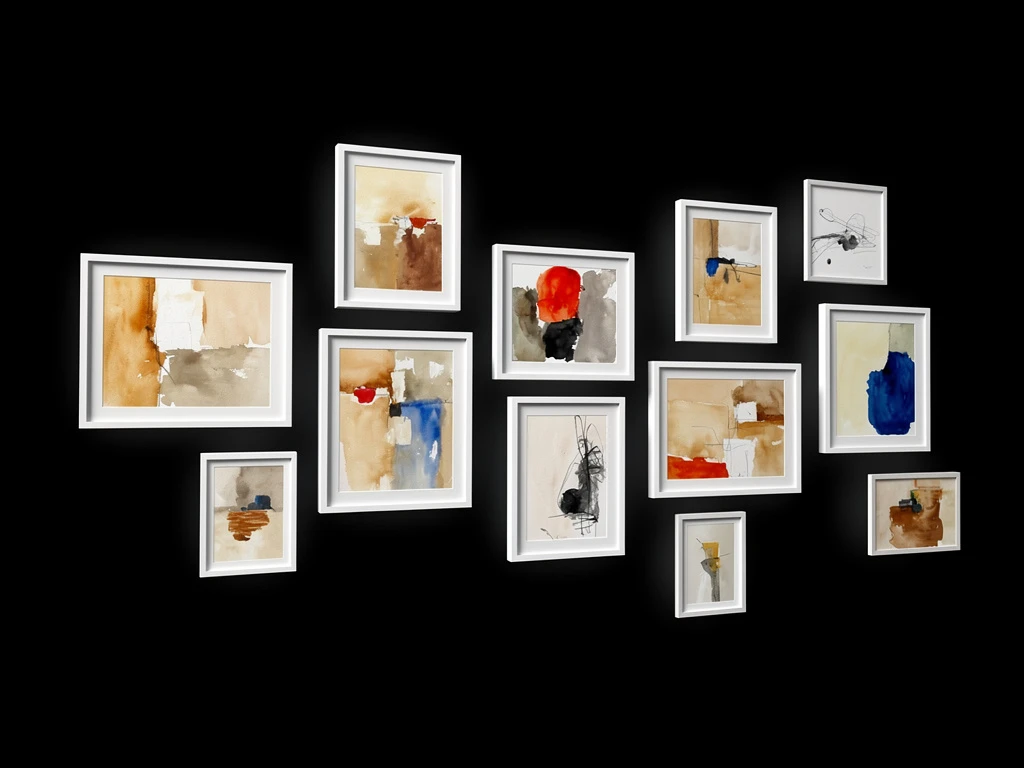
Top-tier creative websites utilize negative space (often referred to as 'white space', whether the background is white, black, or neutral) to frame the photography. They never cram photos edge-to-edge unless it's a deliberate full-bleed hero banner. By surrounding images with vast expanses of empty digital canvas, the website mimics the physical experience of walking into an upscale, brightly lit art gallery. The space commands attention to the subject matter.
3. Clear, Unified Brand Specialization
"I shoot weddings, sports, macro bugs, real estate, and fine art concepts."
This translates to high-end clients as: "I am not a master of anything." A hallmark of a truly professional photography website is an unapologetic specialization. When a creative director lands on a page, they need to know exactly what the photographer is selling within three seconds.
While you might shoot multiple genres to pay the bills, a professional portfolio tightly organizes these elements. The home page establishes the primary visual aesthetic immediately. If sub-genres exist, they are cleanly separated into distinctly labeled sub-menus, ensuring the viewer's narrative experience is never disrupted by wildly clashing artistic styles.
4. Frictionless Client Contact
Professionals know their website is a business tool, not just an ego wall. While the imagery captivates the audience, the underlying structural goal is to secure a booking.
High-end photography portfolios never hide their contact information behind complex animations or require users to click through five nested social media icons. They feature a dedicated, instantly visible 'Contact' or 'Booking' link directly in the primary navigation header. The contact page itself is minimalist: demonstrating where the photographer is based in the world, an email form, and perhaps representation or agency details. It is entirely devoid of friction.
5. Immaculate Image Resolution Without the Lag
Perhaps the most technical commonality among elite photography sites is the seamless delivery of high-resolution imagery.
A professional's website never presents pixelated, poorly compressed JPGs. They understand that their entire business relies on sharpness, color accuracy, and dynamic range being preserved in the browser. However, they also know that if a 4K image takes 10 seconds to load, the client is already gone.
They leverage dedicated creative builders equipped with powerful backend Content Delivery Networks (CDNs) that organically format sRGB color profiles and serve uncompressed visuals blazingly fast across both 5K monitors and standard mobile phones.
Building your professional portfolio doesn't require a computer science degree. With Portfoliobox, you can create a stunning portfolio website tailored explicitly with unmetered imagery and elite negative space in minutes — no coding required.