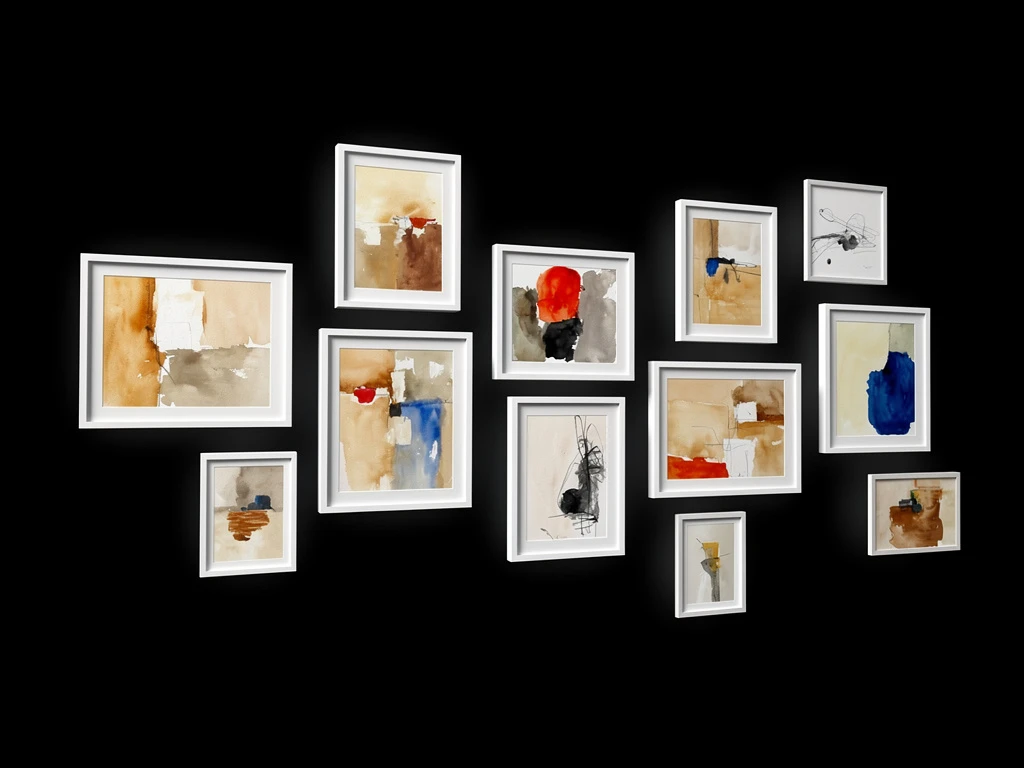
Presenting interior design work online presents a unique challenge: you are trying to capture a three-dimensional, spatial, and tactile experience within the confines of a two-dimensional screen. Many talented designers struggle here, ending up with portfolios that feel flat or resemble real estate listings rather than creative showcases.
If you are looking to elevate your digital presence, studying successful interior design portfolio examples is the fastest way to identify what works. Here is how to transform your portfolio by adopting the strategies of top industry professionals.
The Problem: The "Real Estate Listing" Trap
The most common trap interior designers fall into is relying solely on wide-angle, aggressively lit photographs that show the entire room at once. While this shows the layout, it completely strips the space of its mood, texture, and design intent. It looks like a property for sale, not a creative vision realized.
When potential clients or firm directors look at your portfolio, they want to understand your taste, your attention to detail, and your ability to curate an atmosphere.
The Solution: Editorial Curation and Process
The best interior design portfolio examples treat their case studies like editorial features in Architectural Digest. They focus on narrative and detail.
1. Lead with Atmosphere, Follow with Layout
Instead of starting with the wide shot, open your project page with a compelling detail shot—the intersection of a marble countertop with custom millwork, or the way natural light hits a specific fabric. Establish the mood and the material palette first, then provide the wider context shots to show how those details come together in the space.
2. Showcase the "Before" and the Process
Clients hire you for the transformation. Don't hide the messy process. Include a carefully selected "before" photo to highlight the scale of your intervention. More importantly, show your mood boards, material flat lays, and floor plans. Demonstrating how you move from a conceptual palette to a finished space proves your strategic capability.
3. Write Like a Designer, Not a Realtor
Ditch the generic descriptions. Instead of writing, "A spacious living room with modern furniture," explain your design decisions. "We utilized a muted, earthy palette to counteract the harsh southern exposure, anchoring the space with a custom-milled oak credenza." Explain the why behind your choices.
Building your portfolio doesn't have to be complicated. With Portfoliobox, you can create a stunning portfolio website in minutes — no coding required.