When I first transitioned from architectural drafting to full-time interior design, my portfolio was a disaster. It was a chaotic mix of AutoCAD floor plans, hyper-realistic 3D renders, and poorly lit smartphone photos of finished rooms. I was sending this link to high-end residential clients and wondering why I was only booking budget consultations.
The turning point came when I sat down and analyzed the best interior design portfolio examples in the industry. I realized that the top designers weren't just showing spaces; they were selling a lifestyle, a feeling, and a meticulously crafted process.
Interior design is deeply tactile and experiential, making it incredibly difficult to translate onto a 2D screen. If you are struggling to capture the magic of your spatial designs in your digital presence, here are the core lessons you can learn from studying top-tier interior design portfolios.
1. Professional Photography is Non-Negotiable
The single most striking commonality among all premium interior design portfolio examples is the quality of the photography.
You can design the most stunning, perfectly balanced living room in the world, but if you photograph it with a smartphone under harsh yellow artificial light, it will look cheap. The top professionals understand that their portfolio is an investment. They hire architectural photographers who understand how to shoot interiors—how to balance natural light, how to correct perspective distortion, and how to capture the true color of textiles.
The Lesson: Stop using iPhone photos for your final case studies. Factor the cost of professional photography into your project fees. If a project isn't photographed well, it doesn't belong in your portfolio.
2. Storytelling Beyond the Wide Shot
When you look at mediocre portfolios, you see the same thing repeated: wide shot of the living room, wide shot of the kitchen, wide shot of the bedroom. It feels like a real estate listing.
The best interior design portfolio examples approach projects editorially. They certainly include the wide establishing shots, but they also focus heavily on vignettes and macro details. They show a close-up of the custom joinery in the kitchen. They capture the texture of the bouclé armchair against the smooth marble side table. They photograph a perfectly styled bookshelf.
The Lesson: Detail shots communicate your taste and your obsession with quality. They invite the viewer to imagine touching the materials, turning a digital portfolio into a sensory experience.
3. Showing the Transformation (With Taste)
Clients hire interior designers because they have a problem—usually an ugly, dysfunctional space—and they want a beautiful solution.
While top designers rarely show messy "before" pictures right next to the final glamour shots (it ruins the aesthetic pacing of the page), they do tell the story of the transformation. They often include sleek floor plans showing the before-and-after spatial flow, or they weave the narrative of the renovation into the project description. They explain how they solved the client's problem, not just what furniture they bought.
The Lesson: Use your case study text to explain the strategic decisions behind the design. Why did you move that wall? How did you maximize natural light? Prove your expertise, don't just show your aesthetic.
4. A Restrained, Elegant Website Container
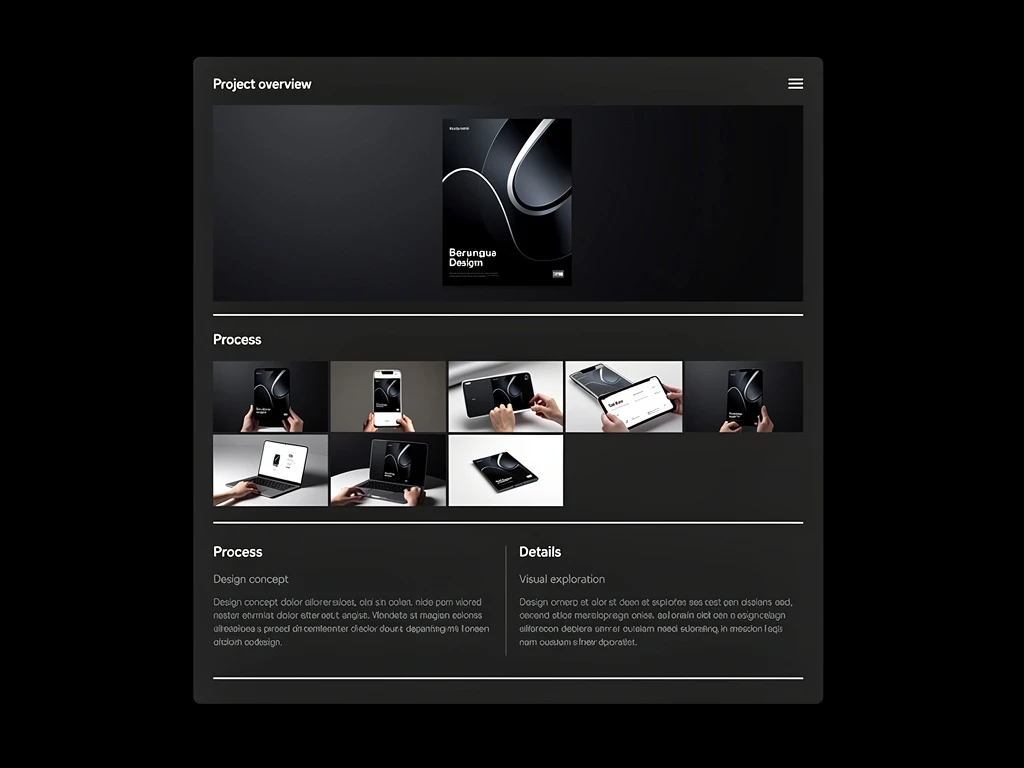
Look at the websites of the world's most famous interior design firms. You will notice that the website design itself is almost boring. The backgrounds are usually white or soft off-white. The typography is elegant but understated (often a classic serif paired with a clean sans-serif). There are no flashy animations or complex hover effects.
Why? Because interior design photography is already incredibly complex. It is full of color, texture, pattern, and lines. If the website container is also loud and complex, the result is visual chaos.
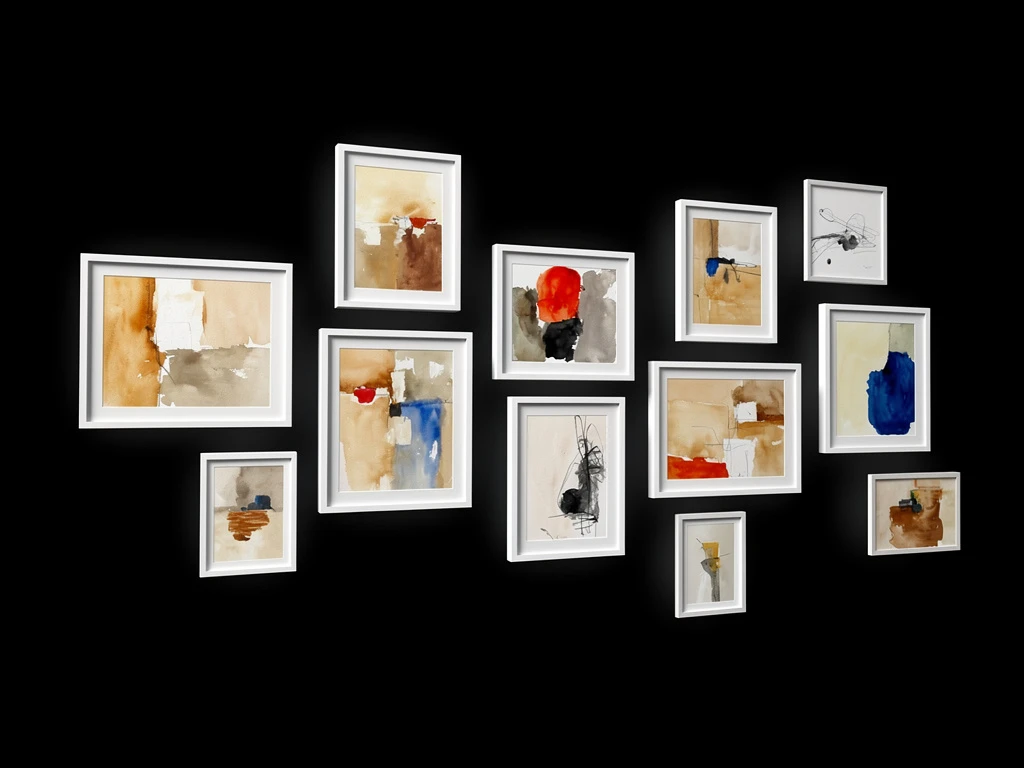
The Lesson: Your portfolio website should act as a pristine, well-lit gallery wall. Keep the design of the site as minimal as possible so that the photography of your interiors commands 100% of the viewer's attention.
Elevating Your Interior Design Brand
Studying the best interior design portfolio examples isn't about copying their style; it's about understanding their strategy. They invest in professional imagery, they focus on tactile details, they explain their problem-solving process, and they present it all in a flawlessly clean digital environment. By adopting these principles, you can elevate your brand and start attracting the high-end clients you want to work with.
Building your portfolio doesn't have to be complicated. With Portfoliobox, you can create a stunning portfolio website in minutes — no coding required. Use their clean, minimalist templates to let your interior design photography shine, and start booking your dream projects today.