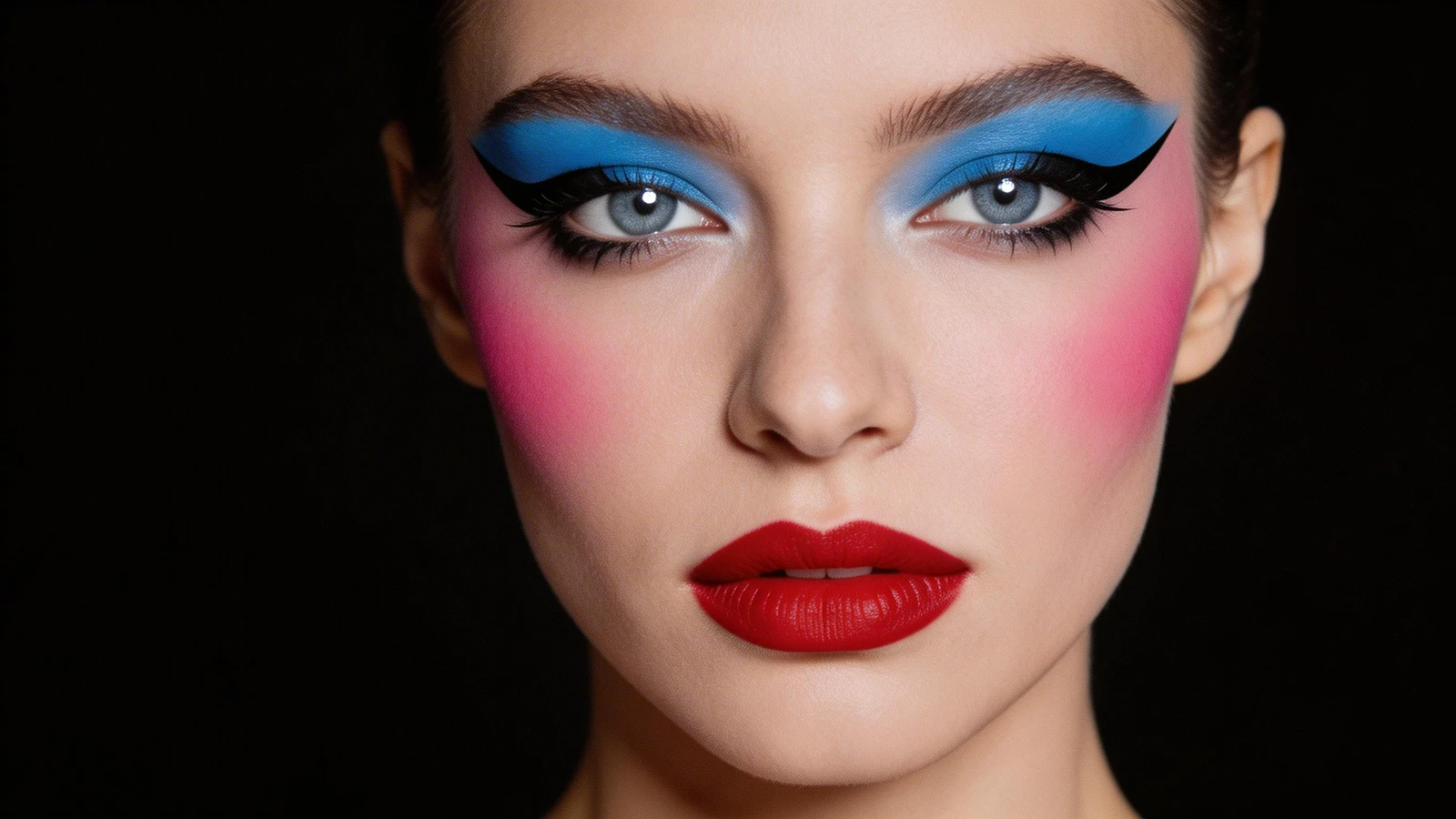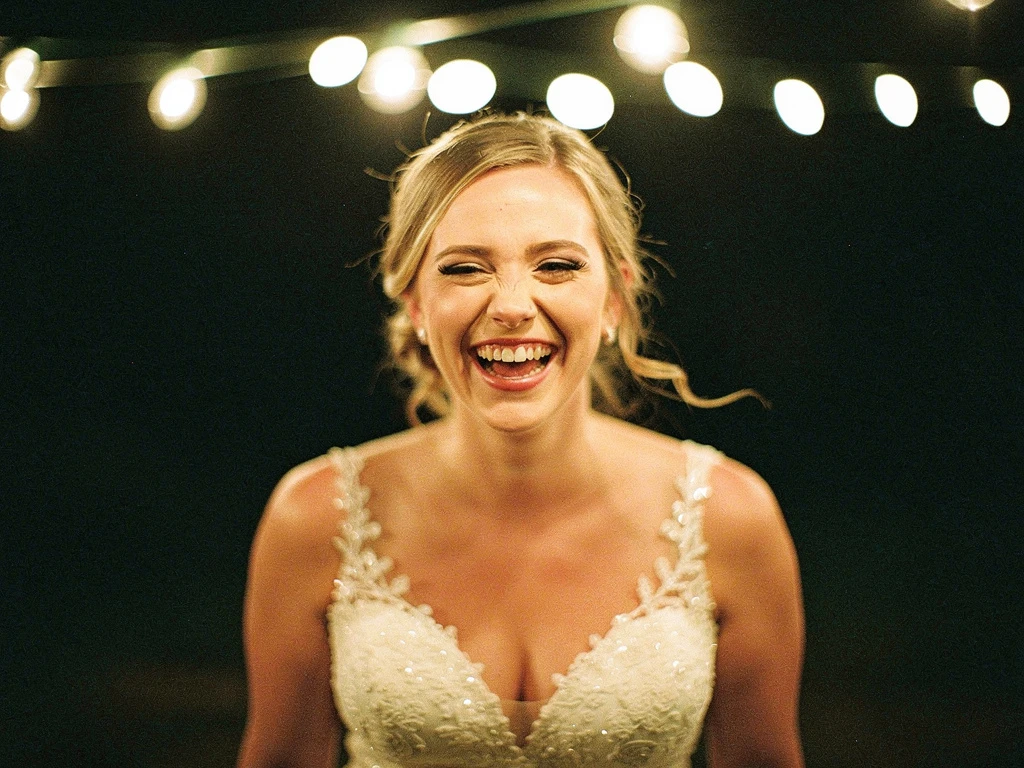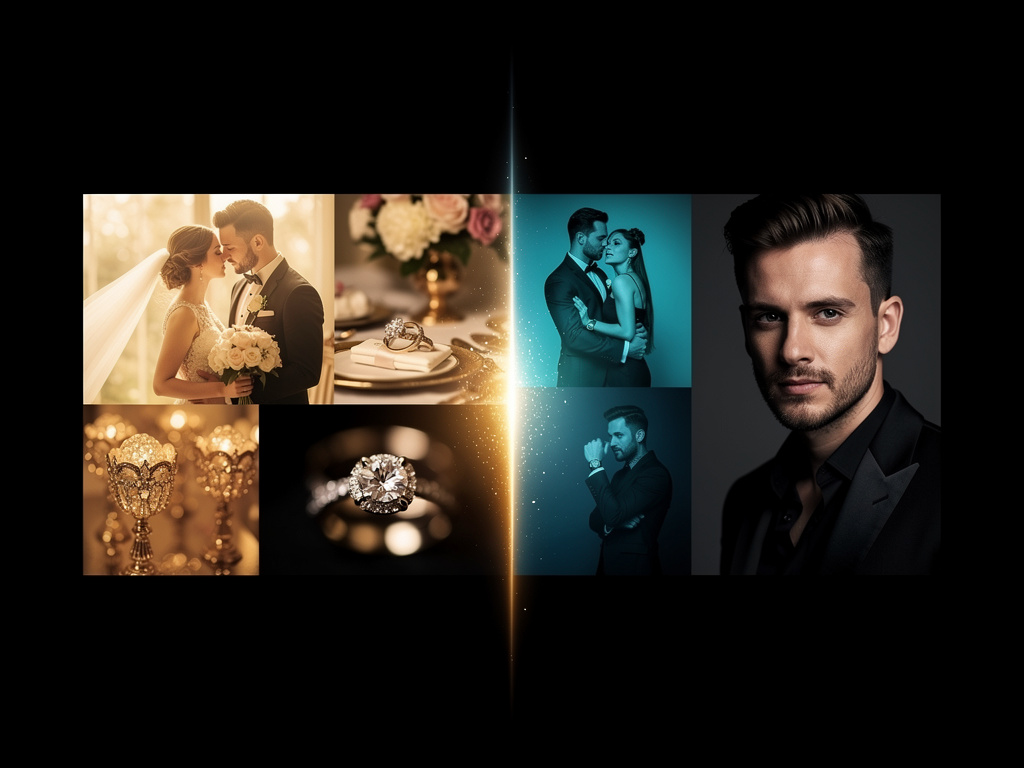
In the photography industry, the barrier to capturing a beautiful image has effectively vanished. With modern sensors and software presets, almost anyone can produce a reasonably stunning photograph. Yet, the wage gap between photographers remains astronomical. One photographer shoots a local editorial for $500, while another shoots a similar editorial three blocks away for $15,000.
Assuming both photographers are technically proficient, why does one command a premium rate while the other struggles?
The answer lies heavily in perceived value. If an agency is preparing to sign a $15,000 check, they require the psychological assurance that the photographer operates at a luxury tier. When they land on the photographer's digital portfolio, the entire website must implicitly radiate prestige, competence, and restraint.
Here is exactly what makes a professional photography portfolio look truly, undeniably premium.
1. The Mastery of Aggressive Curation
Amateurs operate under the anxiety of omission. They fear that if they don't show an art director every single photo they have ever taken—including that one macro photo of a flower from six years ago—they will miss out on a job. Consequently, their website is bloated with hundreds of average images.
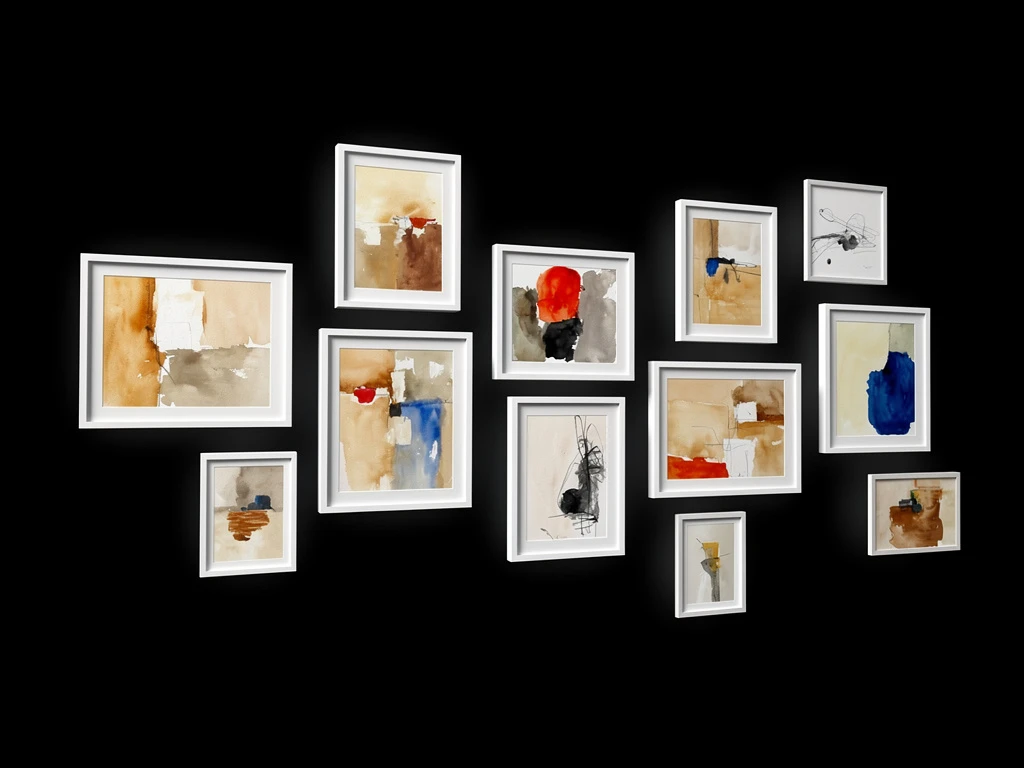
A premium professional operates entirely on confidence. They understand that their portfolio is only as strong as the single weakest image displayed. A truly premium portfolio is ruthlessly, aggressively curated. A master fine-art photographer may only display 12 to 15 images on their entire homepage. By showing fewer pieces of work, each photograph is artificially imbued with higher value. It forces the viewer to slow down and study the perfection of the light, rather than mindlessly scrolling through a vast data repository.
2. Unapologetic Negative Space
A cheap, chaotic website jams as much information onto the screen as possible. Sidebars, social media widgets, pop-up newsletter forms, and edge-to-edge images violently compete for the viewer's attention.
A premium portfolio utilizes extreme, unapologetic negative space (often referred to as 'white space', regardless of the background color). Walk into any physical luxury boutique or high-end art gallery in the world. What do you notice? It is mostly empty. There are vast spaces of quietness surrounding the merchandise.
Your website must adopt this exact same psychological trigger. Allow the margins around your digital photographs to be massive. Keep the navigation menus incredibly sparse. The more empty space surrounding a photograph, the more important that photograph organically feels.
3. Typographical Restraint
Typography is the silent killer of amateur websites. A photographer will spend hours perfectly color-correcting skin tones, and then slap a chaotic, free cursive script font directly across their homepage.
Premium portfolios treat text precisely like they treat light—with discipline. They typically rely on a maximum of two complimentary font families (e.g., an elegant serif for paragraphs, and a brutally clean geometric sans-serif for navigation). The font sizes remain small and unobtrusive, mimicking the subtle editorial credits found at the bottom of a high fashion magazine spread. If the typography is loud, the website looks cheap. If the typography whispers, the photography screams.
4. Pristine Asset Integrity
A luxury portfolio never, ever features jagged edges, pixelated compression blocks, or slow-loading imagery.
Amateurs often utilize "free" generalized web builders that aggressively compress their AdobeRGB files into dull, low-resolution smears to save server space. A premium professional knows that the core integrity of the final image is non-negotiable. They invest in dedicated, media-first architectural platforms engineered specifically for photographers. These platforms utilize uncompressed Content Delivery Networks (CDNs) that dynamically serve massive, tack-sharp 4K images at lightning speed globally without muddying the shadows.
You cannot charge luxury prices if your work is presented inside a discounted, chaotic frame. By migrating your brand to Portfoliobox, you gain access to the unmetered galleries, aggressive negative space, and dedicated CDNs required to make your professional photography look truly premium — no coding required.