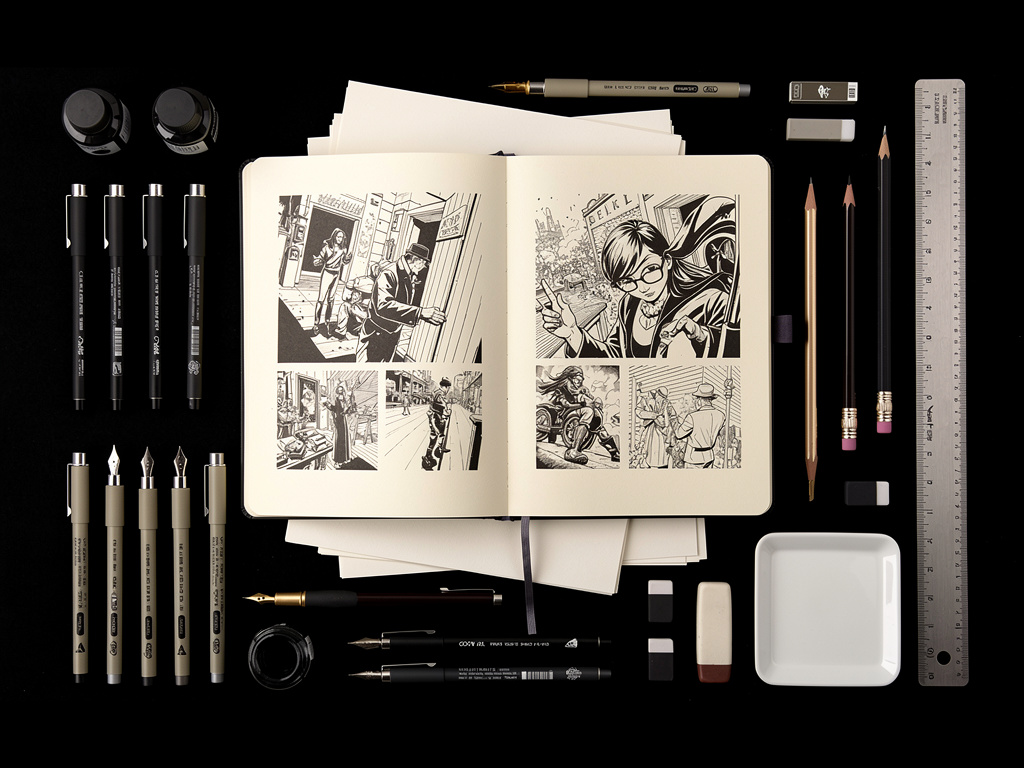
For highly ambitious young illustrators, completing an AP Art portfolio represents a massive artistic milestone. You have spent a year meticulously planning sustained investigations, refining your techniques, and executing under immense pressure. However, once the AP College Board scores arrive, many students abandon these incredible bodies of work in a high school closet.
This is a massive missed opportunity. The work you generated for your AP curriculum is deep, conceptually unified, and highly polished. It has the exact DNA required to launch a legitimate, income-generating freelance illustration career. Here is exactly how to transition those physical academic submissions into a compelling digital portfolio that attracts legitimate commercial commissions.
Digitize With Absolute Precision
The College Board demands high-quality photographs for your final submission, but often these files are compressed jpegs captured under fluorescent classroom lighting.
To bridge the gap between academic assignment and professional commodity, you must treat the digitization of your work as a major project. For your most critical pieces, acquire access to a professional flatbed scanner. If the works are massive mixed-media canvases, hire or borrow a high-end DSLR camera, set the artwork up outside in bright, diffused overcast light, and shoot bracketed raw files.
A breathtaking oil pastel illustration is completely ruined if the digital presentation features warped edges and harsh glares. The professional illustration market expects flawless digital fidelity.
Translate "Sustained Investigation" Into "Case Studies"
The genius of the AP structure is the focus on the "Sustained Investigation"—a deeply explored, cohesive theme executed across 15 pieces.
In the professional freelance world, this translates perfectly into a "Case Study." When organizing your new website, do not present these as disparate, random drawings. Present them exactly as you designed them: as a single, massive project block.
Give the series a striking conceptual title. Include the written synthesis that you used for your final exam explaining the evolution of your concept, how you manipulated the materials, and the meaning behind the narrative. Commercial art directors desperately want illustrators who can generate sustained narratives instead of just painting isolated hero shots.
Ditch the Academic Framing
When launching your site to the world, you must fiercely curate the narrative. An art director paying a premium day rate is seeking a professional, not a high school student.
Sever all ties to the purely academic origins of the pieces. Do not title your website landing page "My AP Art 2D Design Portfolio." Instead, frame it dynamically: "Selected Works: The Anatomy Series (Mixed Media)." Assume the posture of a working professional from day one. Remove the lesser exploratory sketches from the curriculum that drag down the overall quality.
Your academic achievements laid the crucial foundation, but your career trajectory requires independent, digital legitimacy immediately. With Portfoliobox, you can turn your physical thesis into a stunning, responsive digital portfolio within a single afternoon, bridging the gap between emerging student talent and working creative professional.