The hardest transition in an illustrator's career is moving from B2C (Business-to-Consumer) to B2B (Business-to-Business) commissions.
When you start your career, your "commissions" usually come from teenagers on Instagram asking you to draw their Dungeons & Dragons character for $40. They DM you, you sketch it, and they send you money on PayPal.
However, if you want to be commissioned by HarperCollins to illustrate an entire children's book for $40,000, you cannot use Instagram DMs. Massive corporate publishers and commercial advertising agencies have strict legal and financial procurement rules. If your professional website forces them to just "email you to chat," you introduce massive ambiguity. They do not have time to chat. They need logistical guarantees.
To bridge the gap between amateur fan-art and corporate contracts, you must fundamentally restructure the most important URL on your entire website: The Contact Page. Here is the B2B solution.
The Rejection of Ambiguity
A corporate Art Director operates on a strict timeline. If they send an email saying, "We'd like to commission an illustration," and you reply, "Awesome! What's your budget?", you have already triggered a massive professional red flag.
You must answer all of their logistical questions before they ever click "Send."
Your website's Contact page must feature a highly-structured "Commission Matrix." Do not be afraid to post your corporate boundaries directly on the website.
- Declare Your Minimums: E.g., "Please note: I am currently only accepting B2B commercial commissions starting at a $1,000 corporate minimum." This single sentence instantly repels teenagers asking for $20 sketches, freeing up your inbox for legitimate leads.
- Declare Your Turnaround: Explain your baseline studio speed. "Standard editorial illustration turnaround is 14 business days. Rush fees apply for 48-hour turnarounds."
By aggressively dictating the rules of engagement on your clean contact page, you establish the psychological high ground. You prove you are an incorporated vendor.
Building the 'Project Intake Funnel'
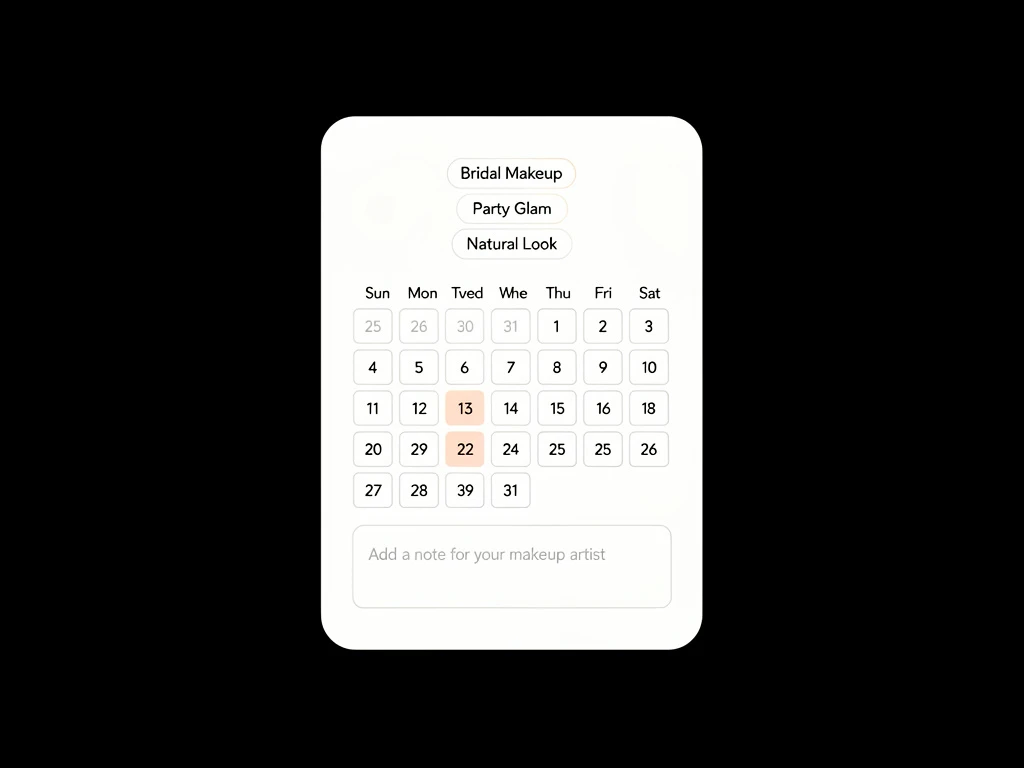
Do not use a generic "Name / Email / Message" text box on your Contact page. You must deploy a "Project Intake Funnel."
A B2B hiring manager needs to feel secure that you understand commercial logistics. To do this, integrate a customized form directly into your site that commands specific corporate data.
Mandatory Drop-down Fields:
- Intended Usage Rights: (Is this for a local flyer, or a Global 5-Year Advertising Buy in Print and Digital media? This drastically alters your pricing).
- Project Deadline: (Forces the client to acknowledge temporal reality).
- Budget Range: (Force them to click a dropdown selecting e.g., $1K-$3K, $5K+, etc. If their budget is too low, the system naturally filters them out).
Eliminating The CAPTCHA Maze
A tragic UX (User Experience) failure illustrators frequently make is protecting their contact forms with aggressive, complex CAPTCHA programs to stop spam bots.
If a busy Art Director at an advertising agency has finally decided to hire you, and they spend fifteen minutes typing a massive creative brief into your contact form, hitting "Submit," and then failing a bizarre puzzle asking them to click on traffic lights—only for the page to refresh and delete all their text—they will scream, close the tab, and hire someone else entirely.
Your intake system must be frictionless. Utilize a website builder with invisible, native spam protection that does not actively punish your multi-million dollar clients for trying to hire you.
Securing massive commercial contracts requires eliminating every ounce of B2B friction. By migrating your illustration business to Portfoliobox, artists natively launch completely customized, frictionless intake forms and secure pricing grids, converting casual digital traffic into highly-structured corporate retainers — no coding required.