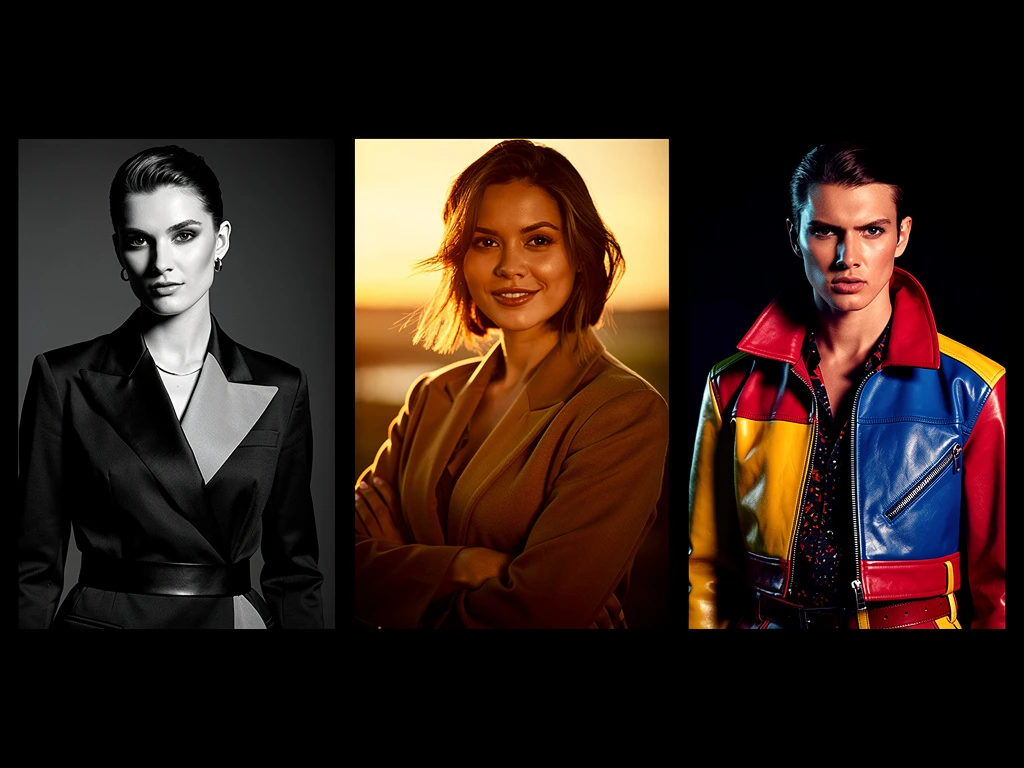
You’ve invested thousands in gear, spent countless hours mastering lighting techniques, and finally developed a distinctive photographic style. You are producing undeniably great images. Yet, when you send your website link to art directors or potential high-value clients, you are met with silence.
This is one of the most frustrating plateaus in a creative career. The problem rarely lies in the quality of the photography itself. Instead, the issue stems from a disconnect between the premium quality of the work and the amateurish presentation of the digital presence.
When you treat your website merely as a storage drive for JPEGs rather than a curated experience, you undermine your own authority. To break through this barrier and command higher rates, you must transition from a casual collection of photos to a highly intentional, brand-elevating presentation. In this guide, we will explore common presentation pitfalls and how mastering the imager portfolio approach—focusing heavily on the visual experience and curated narrative—can permanently solve them.
The Problem: The "Everything and the Kitchen Sink" Approach
The most pervasive issue facing emerging photographers is portfolio bloat. Driven by a fear of missing out on potential jobs, photographers often upload everything they've ever shot. The homepage becomes a chaotic mosaic of weddings, corporate headshots, moody landscapes, and macro flower photography.
The Symptoms:
- Clients are confused about your actual specialty.
- Art directors bounce from your site within seconds because they can't immediately find relevant work.
- You are consistently hired for lower-paying, generic gigs rather than specialized, high-budget campaigns.
If a client is looking for a high-end food photographer, and they see a gallery mixed with toddler portraits, they immediately assume you are a hobbyist trying to make a quick buck, not a dedicated specialist.
The Solution: Ruthless, Niche Curation
The imager portfolio philosophy demands that you prioritize impact over volume.
The Fix:
- Define Your Core: Identify the specific type of photography that is most profitable and enjoyable for you. Your portfolio must reflect this core identity instantly.
- The 20-Image Maximum: Limit your primary gallery to no more than 15-20 absolute knockout images. If an image requires a caveat ("the lighting was bad, but..."), it doesn't belong.
- Kill Your Darlings: Remove the images that you are emotionally attached to but don't serve your professional brand. A tightly curated portfolio of 12 stunning images will book far more work than a sprawling gallery of 50 mediocre ones.
The Problem: Poor UX and Technical Friction
A visually stunning photograph is completely ruined if it takes ten seconds to load, or if the website navigation is so convoluted that the user gives up trying to find your contact page.
The Symptoms:
- High website bounce rates (visitors leaving after viewing only one page).
- Beautiful high-resolution images that load slowly, causing frustration.
- A mobile experience where images are awkwardly cropped or menus are unclickable.
In the commercial world, art directors are busy. If your website introduces friction into their workflow, they will simply move on to the next photographer whose site works flawlessly.
The Solution: Invisible Design and Optimization
A professional photography portfolio should feel like a high-end gallery: clean, well-lit, and completely unobtrusive. The design must get out of the way of the art.
The Fix:
- Prioritize Speed: Use a platform designed specifically for visual artists that automatically optimizes image files for web viewing without destroying resolution.
- Mobile-First Mentality: The majority of your site traffic will likely come from mobile devices. Your site must be perfectly responsive. Test your galleries on your phone—if the images are too small or the text is illegible, you are losing clients.
- Intuitive Navigation: Keep your menu simple: Portfolio (categorized clearly if necessary), About, and Contact. Do not use clever or obscure titles for your pages. Clarity always beats cleverness.
The Problem: The Faceless Brand
Many photographers hide behind their cameras, presenting a sterile, corporate-sounding website that lacks personality. They write "About" pages in the third person ("John Doe is a visionary photographer based in...") and provide no insight into who they actually are.
The Symptoms:
- You get inquiries, but clients often choose another photographer who they "clicked" with better.
- You struggle to build long-term loyalty or repeat clients.
- Your brand feels interchangeable with a dozen other local photographers.
Clients aren't just hiring a camera; they are hiring a creative partner. If they don't feel a connection to you, they have no reason to choose you over a cheaper competitor.
The Solution: Humanize Your Digital Presence
Mastering the imager portfolio means understanding that you are an integral part of the product you are selling.
The Fix:
- Show Your Face: Include a high-quality, professional portrait of yourself on your "About" page. It instantly builds trust and familiarity.
- Write in the First Person: Speak directly to your potential clients. Share your creative philosophy, why you love shooting what you shoot, and what the experience of working with you is like.
- Highlight the Experience, Not Just the Gear: Clients rarely care about what lens you use; they care about how you solve their visual problems and how you make them feel on set.
The Problem: The Dead End
You’ve curated perfectly, your site is lightning fast, and your "About" page is charming. A client spends five minutes admiring your work, decides they want to hire you, and then... they can't figure out how to do it.
The Symptoms:
- High traffic but very few inquiries.
- Clients leaving comments on your social media asking how to book you because they couldn't figure it out on your site.
The Solution: A Frictionless Booking Funnel
Your portfolio must actively guide the visitor toward making contact.
The Fix:
- Prominent Contact Links: "Contact" should be the most visible item in your navigation menu.
- Clear Calls to Action (CTAs): Don't leave the viewer hanging at the end of a gallery. Include a subtle CTA at the bottom of your image grids (e.g., "Ready to collaborate? Let's discuss your project.").
- A Simple Form: Keep your contact form brief. Ask for essential details (name, email, project type, timeline) but avoid overwhelming them with required fields. Always provide a direct email link as an alternative.
The Transformation
Mastering the imager portfolio approach is not merely a design exercise; it is a fundamental shift in how you value your own work. By moving away from digital hoarding and embracing strategic, intentional presentation, you signal to the industry that you are a serious professional. When your digital presence matches the high quality of your photography, your brand elevates, your inquiries improve, and you finally start commanding the rates your work deserves.
Building your portfolio doesn't have to be complicated. With Portfoliobox, you can create a stunning portfolio website in minutes — no coding required.