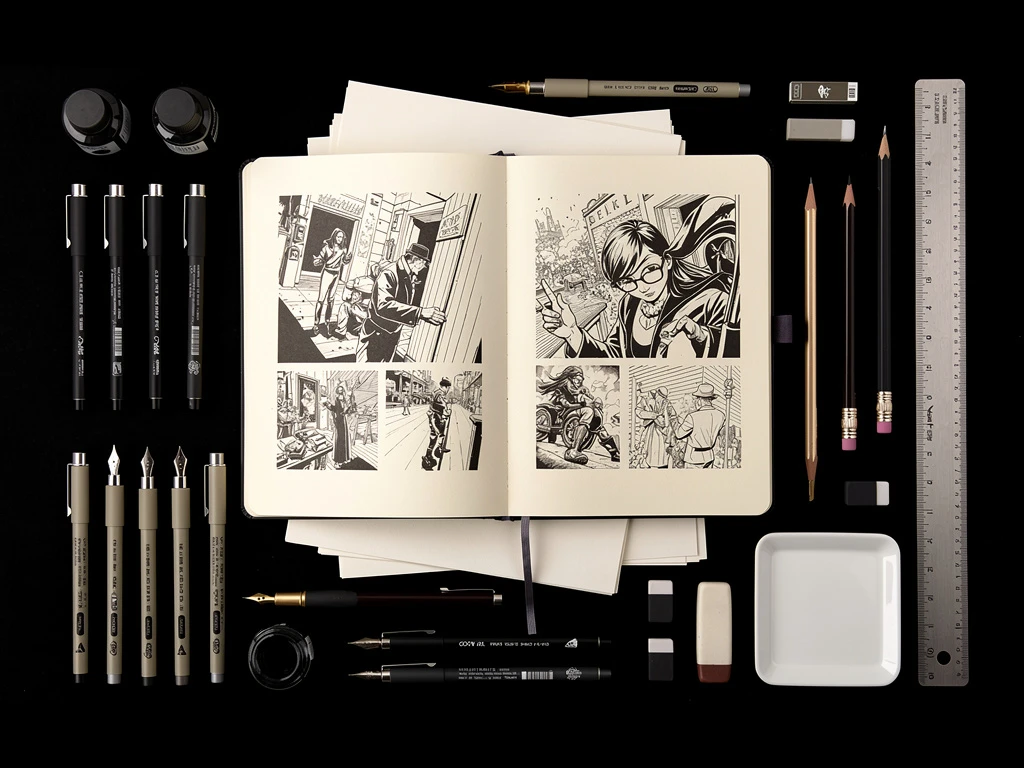
It might seem strange for a professional fine artist—someone seeking gallery representation and selling high-ticket originals—to look at high school academic assignments for inspiration. But if your current website is a chaotic mess of mixed styles and confusing layouts, the academic rigor of the College Board is exactly what you need.
The students who score a perfect 5 on the AP exam do not just draw well; they understand how to present a cohesive, thematic narrative. High-end art collectors are looking for that exact same cohesive narrative. If you want to transform your website from a hobbyist's blog into a professional gallery, here are 5 curatorial secrets pulled from the most stunning AP 2D art portfolio examples.
1. The Power of the "Sustained Investigation"
The most important part of an AP portfolio is the "Sustained Investigation"—a requirement that the student submit 15 pieces of art that deeply explore a single thematic question.
How it inspires your website: Professional artists often make the mistake of uploading every style they've ever tried. They put an abstract acrylic pour next to a hyper-realistic charcoal portrait. This confuses buyers. Your website should be a Sustained Investigation. If you are currently exploring moody, atmospheric landscapes, your homepage gallery should feature only moody, atmospheric landscapes. It establishes you as a master of a specific niche.
2. The "Process as Art" Approach
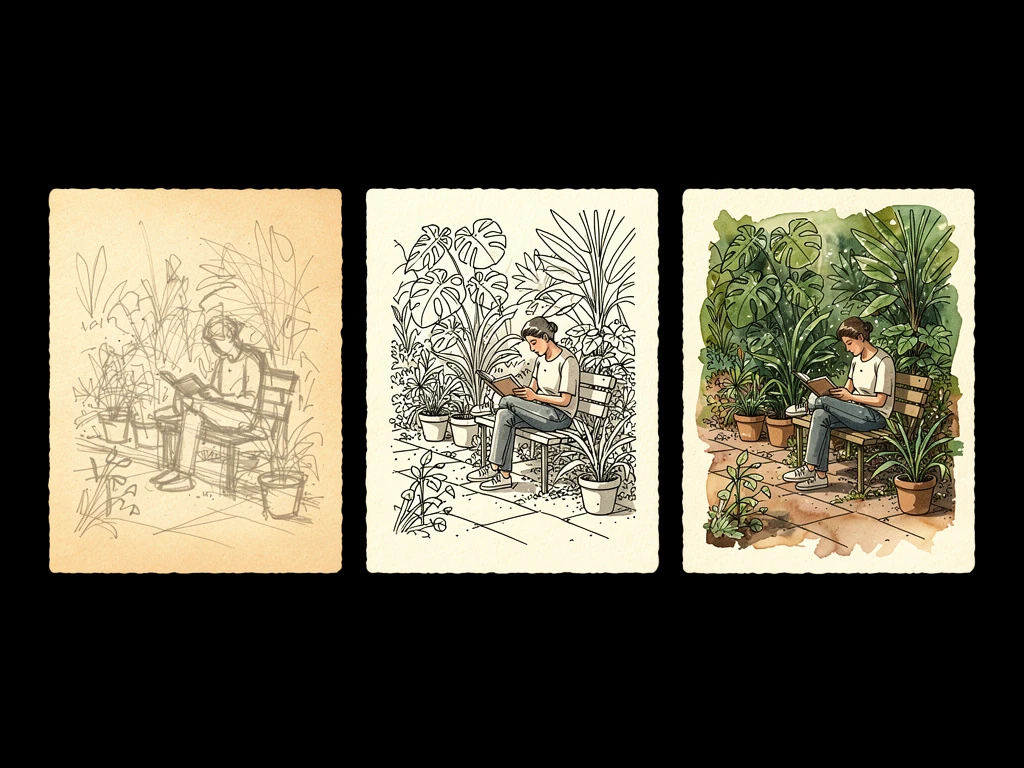
Top AP 2D art portfolio examples always include process images. They show the messy sketchbook pages, the color swatches, and the failed initial concepts to prove to the graders how the final idea was born.
How it inspires your website: Collectors don't just buy the canvas; they buy the artist's story. Create a dedicated "Studio Practice" page or include process shots alongside your finished paintings. Show a photo of your messy palette or the charcoal underpainting. Demystifying the physical creation of the art adds immense emotional value to the final piece.
3. The Ruthless Editing of the "Selected Works"
The final section of the AP exam requires students to submit a tiny, highly curated selection of their absolute best pieces demonstrating total mastery.
How it inspires your website: You are judged by the weakest painting on your website. Do not treat your portfolio like an archival storage drive. Curate ruthlessly. A gallery of 8 breathtaking, cohesive paintings will secure a gallery show much faster than a cluttered grid of 40 inconsistent, mixed-quality pieces.
4. Prioritizing Physical Context
Because AP students are submitting digital photos of physical art, the top examples often include extreme macro-shots to prove the texture and medium of the piece to the digital graders.
How it inspires your website: A flat JPEG on a screen strips the soul from a physical painting. You must include secondary, high-resolution crop-ins of your work. Let the collector zoom in to see the tooth of the cold-pressed watercolor paper or the thick ridges of the oil impasto.
5. The Invisible Presentation
The College Board demands clean, distraction-free formatting. No messy borders, no watermarks across the center of the image, and no flashy presentation tricks.
How it inspires your website: Your digital gallery should act as an invisible frame. Remove all "creative" web design elements. Use a stark white or deep black background. Use a minimalist font. Let the vibrant colors and deep textures of your fine art command 100% of the viewer's attention.
Applying academic rigor to your commercial presentation is the secret to elevating your brand. With Portfoliobox, you can effortlessly implement the cohesive, minimalist structures found in top AP 2D art portfolio examples, building a world-class digital gallery in minutes — no coding required.