When I graduated from art school, I bought a massive, $150 black leather art portfolio folder. I spent a week cutting pristine white matte boards and carefully mounting high-resolution prints of my abstract oil paintings inside. I was convinced that carrying this heavy, impressive folder into a gallery would instantly secure me a solo exhibition.
I spent a year lugging that folder around the city. I was rejected by almost every gallery I visited.
The rejection wasn't because my art was bad. It was because I was relying on an outdated, localized method of networking. Gallery directors are incredibly busy; they don't have time for unannounced walk-ins carrying heavy folders. The turning point in my career happened when I finally realized that my physical folder needed to be perfectly translated into a global, digital experience. Here is the story of how digitizing my presentation finally built my industry authority.
The Limitation of the Physical Folder
The biggest problem with my leather art portfolio folder was that it could only be in one place at a time. If I was in my studio painting, my portfolio was sitting uselessly on a shelf. I was entirely dependent on geographical luck.
When I finally decided to build a website, my first attempt was terrible. I uploaded 50 raw photos of my paintings into a free, generic website template. I lost all the luxury and curation of the physical folder. The website looked cheap, and my art suffered.
Replicating the "Matte Board" Digitally
I realized I needed to replicate the feeling of turning the pages of my physical folder.
When you look at a painting in a physical folder, the thick white matte board isolates the image. It gives it breathing room and signals that the object is important. The Digital Fix: On my new website, I stopped cramming my images into a tight square grid. I used a single-column layout. I added massive amounts of negative space (padding) around every single image. I used a stark white background. This digital "matte board" instantly elevated the perceived value of my paintings.
Bringing the Physical Texture Online
In a physical meeting, a curator could often touch the original sketches I brought along, or see the glare of the glossy photo prints. A flat JPEG on a website felt lifeless.
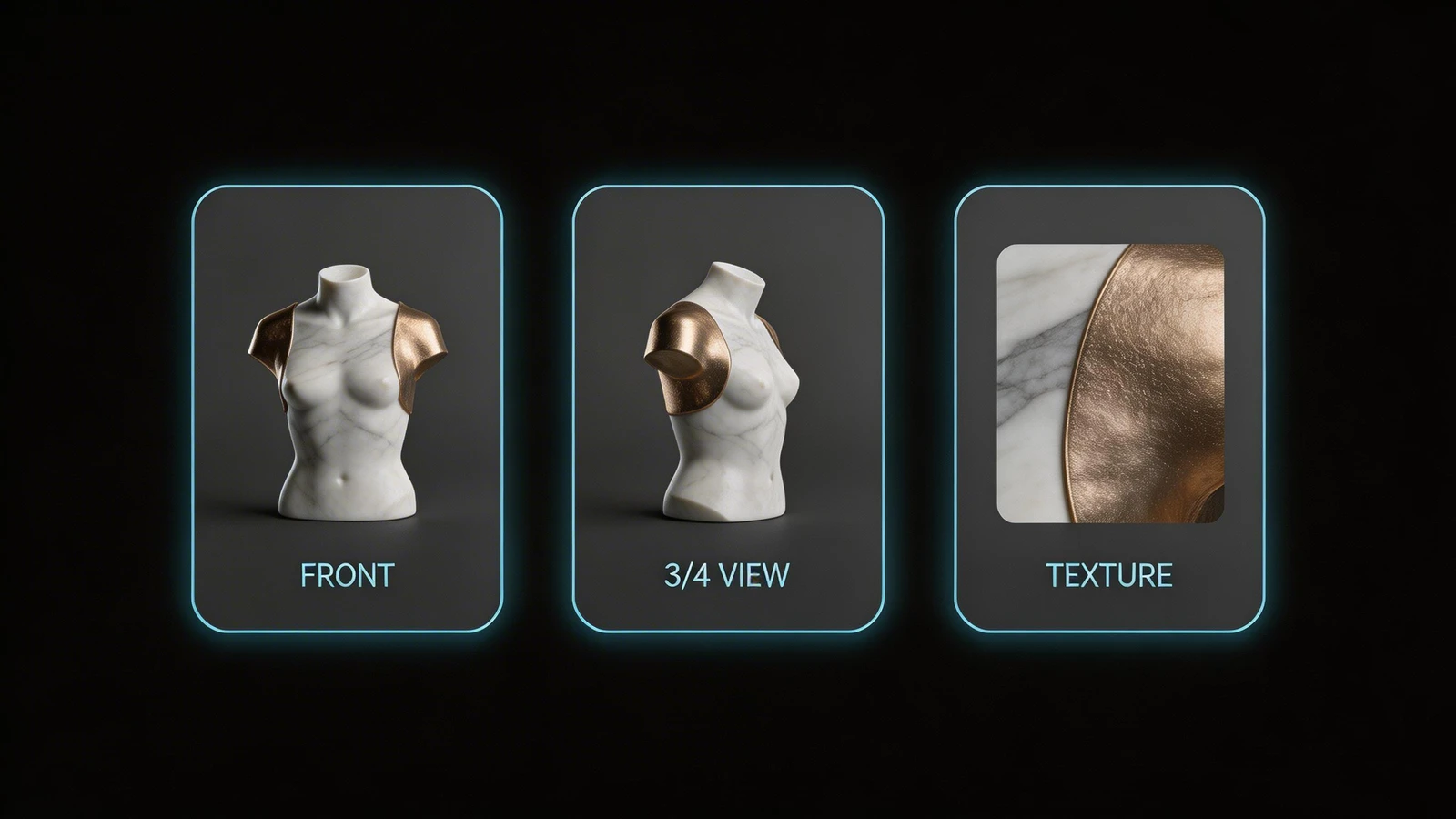
The Digital Fix: I bought a macro lens. Alongside the full, flat scan of my abstract paintings, I started uploading extreme, high-resolution crop-ins. I showed the thick, messy ridges of my oil impasto. I also included photos of the paintings hanging in beautifully lit, modern rooms to prove their massive scale. I stopped showing digital files and started proving the existence of luxury physical objects.
The Global Result
Once my digital portfolio matched the luxury of my physical folder, everything changed. I stopped doing cold walk-ins. Instead, I sent short, highly targeted emails to gallery directors across the country, linking to my perfectly curated website.
Within two months, a boutique gallery 500 miles away from my studio viewed the site, loved the presentation, and offered me representation.
You do not have to sacrifice the luxury of a physical presentation when you move online. With Portfoliobox, you can effortlessly recreate the elegant pacing and pristine curation of a physical art portfolio folder, building a digital presence that secures high-end representation — no coding required.