When I started my career as a fine artist, I believed my paintings would speak for themselves. I spent years developing a unique method of layering acrylics and resin, creating massive, luminous canvases. I was confident in my art, so I quickly threw together a website using a free builder, uploaded a few photos, and started emailing gallery directors.
For two years, the response was a deafening silence. It wasn't until a brutal but necessary critique from an established artist that I realized my mistake. He told me, "Your art is ready for a gallery, but your website belongs in a high school classroom." I was failing to bridge the gap between creating art and presenting it. Here is the story of how mastering a professional portfolio website transformed my hobby into a lucrative career.
The Reality Check: Hobbyist vs. Professional
My original website had a textured gray background, a confusing navigation menu with six different sub-categories, and a "Welcome" paragraph that talked about my childhood love of painting.
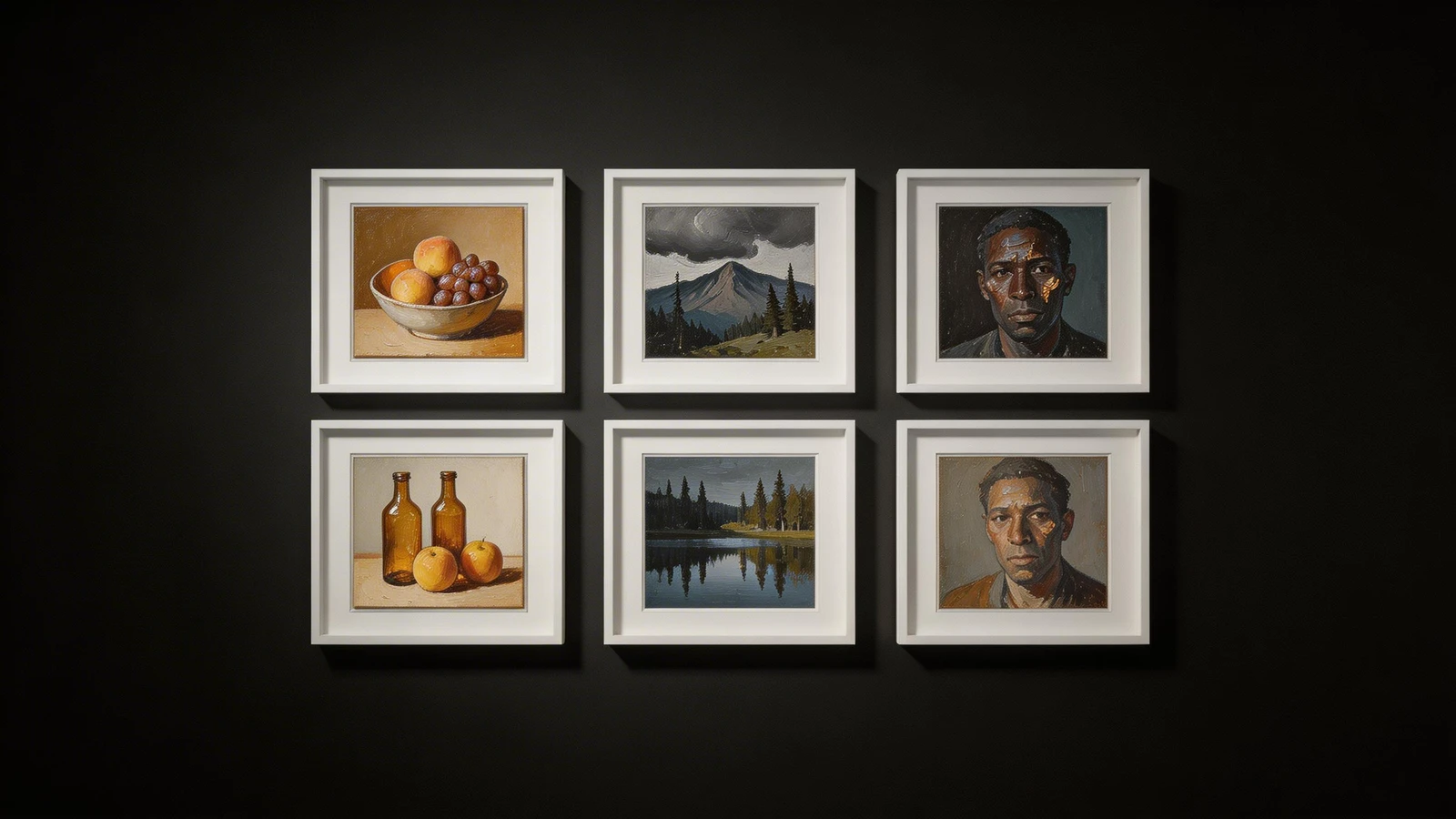
I was presenting myself as a passionate hobbyist. High-end collectors do not spend $5,000 on art from hobbyists; they invest in professionals. The Overhaul: I decided to build a truly professional portfolio website. I deleted the "Welcome" paragraph. I stripped away the textured background. I adopted the stark, minimalist "White Cube" aesthetic used by modern contemporary galleries. Instantly, the focus shifted entirely to the vibrant colors of my paintings.
The Power of Restraint
My old website was a digital dumping ground. I had uploaded every painting I had completed over the last five years, hoping that a curator would find something they liked.
The Overhaul: A professional curates their work. I realized I was being judged by my weakest, oldest paintings. I ruthlessly deleted 80% of my galleries. I narrowed my website down to my absolute best 12 pieces that represented a cohesive, unified thematic vision. A small gallery of flawless work commands infinitely more respect than a massive gallery of inconsistent experiments.
Adding Context to the Canvas
The final missing piece was scale. On my old website, my massive 5-foot resin canvases looked identical in size to an 8-inch sketchbook doodle.
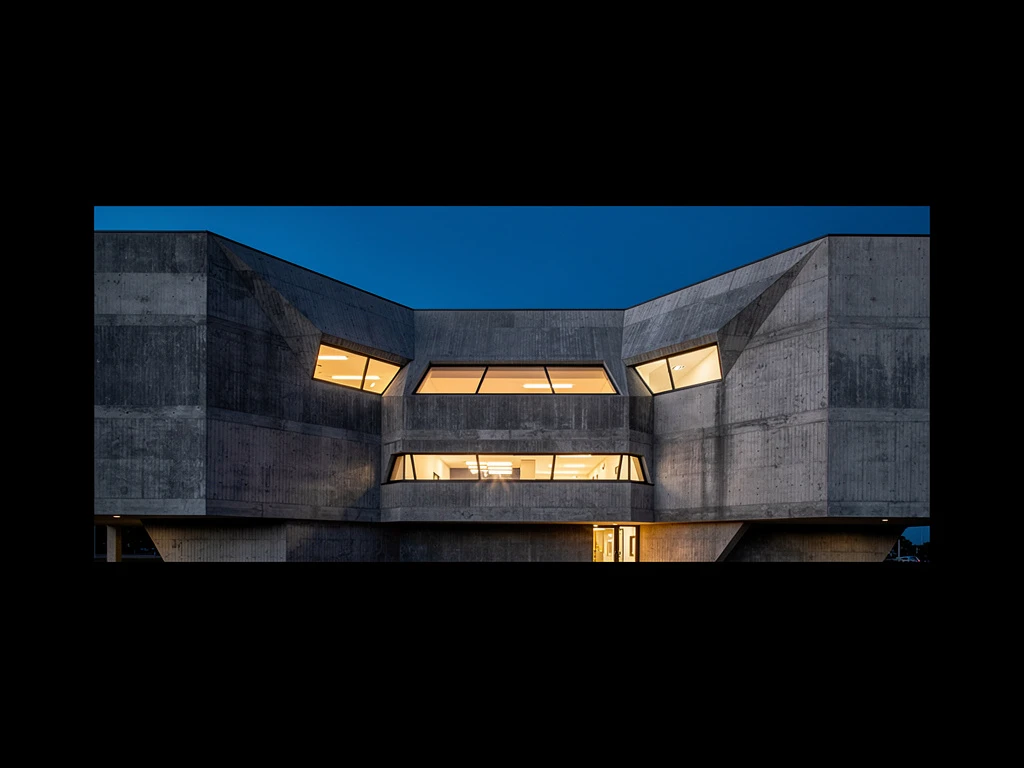
The Overhaul: A professional portfolio website must provide physical context. I hired a photographer (and eventually learned to use high-quality digital mockups) to show my paintings hanging in beautifully lit, modern architectural spaces. I also added extreme macro-shots to show the glassy, reflective texture of the resin. I proved to the digital viewer that the physical object was substantial and valuable.
The Breakthrough
Once my website looked as expensive as the art I was trying to sell, my entire career shifted. I stopped apologizing for my prices. Three weeks after launching the new site, a gallery director who had previously ignored my emails replied to a follow-up, offering me a spot in a group exhibition.
Your art deserves a presentation that matches its quality. If you want to stop looking like a hobbyist and start booking shows, use Portfoliobox. It provides the uncompressed rendering and minimalist curatorial layouts you need to build a world-class professional portfolio website — no coding required.