A few years ago, I was short-listed to be the key makeup artist for a major national athletic wear campaign. I had the right connections, my Instagram was thriving, and my test shoots were incredibly strong. The production agency asked for my official portfolio link to send to the executive creative director for final approval.
I proudly sent them the link to the website I had built myself using a generic, highly-advertised website builder. Three hours later, my agent called me. I didn't get the job. The creative director had tried to open my portfolio on his phone while in a cab. The heavy, unoptimized template failed to load the images properly, the text was overlapping my photos, and the site crashed. He assumed I lacked professionalism and moved on to the next candidate.
That painful lesson taught me that in the beauty industry, your digital presentation is just as important as your blending skills. Choosing the right portfolio website builder is a critical career decision. Here is how you can avoid my mistake and build a digital identity that actually books jobs.
The Pitfall of the "Generalist" Builder
When I built that first website, I chose a platform that was designed for everyone—plumbers, accountants, and restaurants. Because the builder had to cater to every possible business, its templates were rigid and clunky.
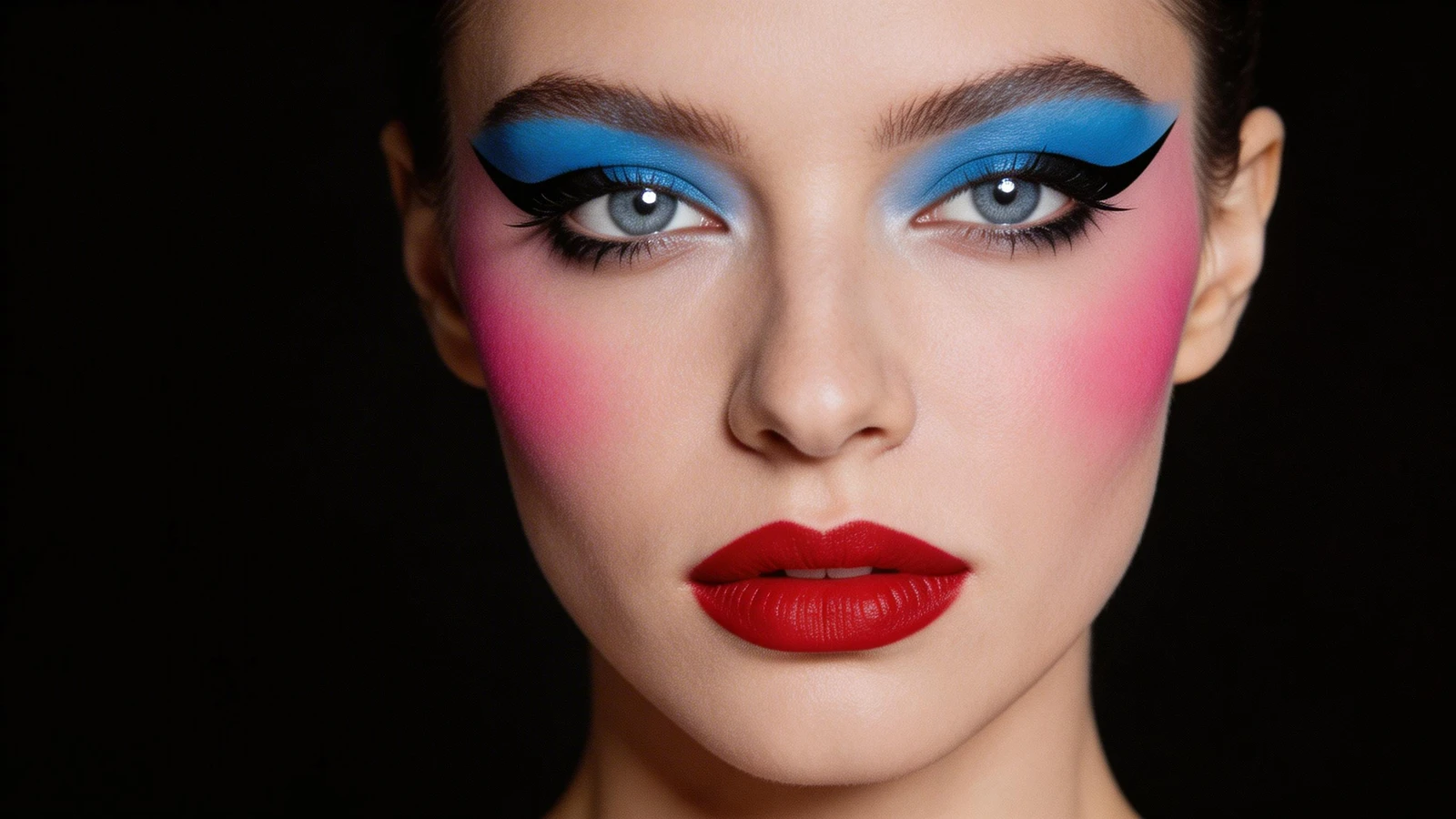
As a makeup artist, your needs are highly specific. You need a platform that prioritizes high-resolution image rendering above all else. When a client zooms in on a beauty macro, they need to see the flawless skin texture and the exact color grade of the eyeshadow, not a compressed, pixelated mess. A generalist portfolio website builder will often compress your images heavily to speed up their clunky backend code.
Why Structure Beats "Total Freedom"
After the disaster with the athletic campaign, I overcorrected. I moved to a platform that promised "total drag-and-drop freedom." I could put any image anywhere on the screen.
This was a disaster in a different way. Without an underlying architectural grid, my website looked messy and chaotic. If an image was off-center by just a few pixels, the whole page looked amateurish. Furthermore, because I had manually dragged everything into place on my desktop, the mobile version of the site was a disaster area of overlapping text.
I realized that makeup artists don't need chaotic freedom; we need structured flexibility. We need a builder that provides beautiful, mathematically perfect layouts (like masonry grids or full-screen sliders) that we can mix and match without breaking the site's code.
The Importance of Business Tools
As my career grew, I realized my website needed to do more than just display pictures. I started teaching one-on-one masterclasses and developed a custom preset pack for beauty photographers.
I needed a portfolio website builder that actually understood the business of being a creative entrepreneur. Having to duct-tape a third-party store onto my portfolio looked cheap and confusing to my clients. The ideal platform has e-commerce built directly into the aesthetic of the site, allowing you to sell digital products or book services seamlessly without paying massive third-party commission fees.
Finding the Right Fit
The solution was finally finding a platform built explicitly for visual creatives. I needed a builder that offered the sleek, high-end editorial layouts of a fashion magazine, the structural integrity to look perfect on a mobile phone, and the backend power to display my macro shots without compression.
Don't let a bad website cost you your dream campaign. You need a platform that works as hard as you do. With Portfoliobox, you get a portfolio website builder designed specifically for creatives, allowing you to build a stunning, agency-ready digital home in minutes — no coding required.