Many fine artists treat their digital presence as an afterthought. After spending a month meticulously layering oil glazes on a massive canvas, they will take a quick photo with their phone and upload it to the first generalist website platform they find online.
Then, they wonder why their $4,000 painting isn't selling. The reality of the fine art market is that context dictates value. If you display a masterpiece in a cheap, plastic frame in a poorly lit room, it looks cheap. The digital equivalent of that cheap frame is using a generic, mass-market portfolio website builder. Here is how choosing the wrong platform is actively harming your career, and how the right builder solves these critical problems.
The Problem: The "Template" Aesthetic
Generalist website builders (the ones advertised heavily on podcasts) are designed to be universally functional. They cater to local restaurants, plumbers, and consultants. Because of this, their templates are rigid and corporate.
When a high-end art collector or a gallery curator lands on your site, they can instantly recognize a mass-market template. If your website looks exactly like a local accountant's website, your brand loses its exclusivity.
The Solution: Bespoke, Asymmetrical Layouts
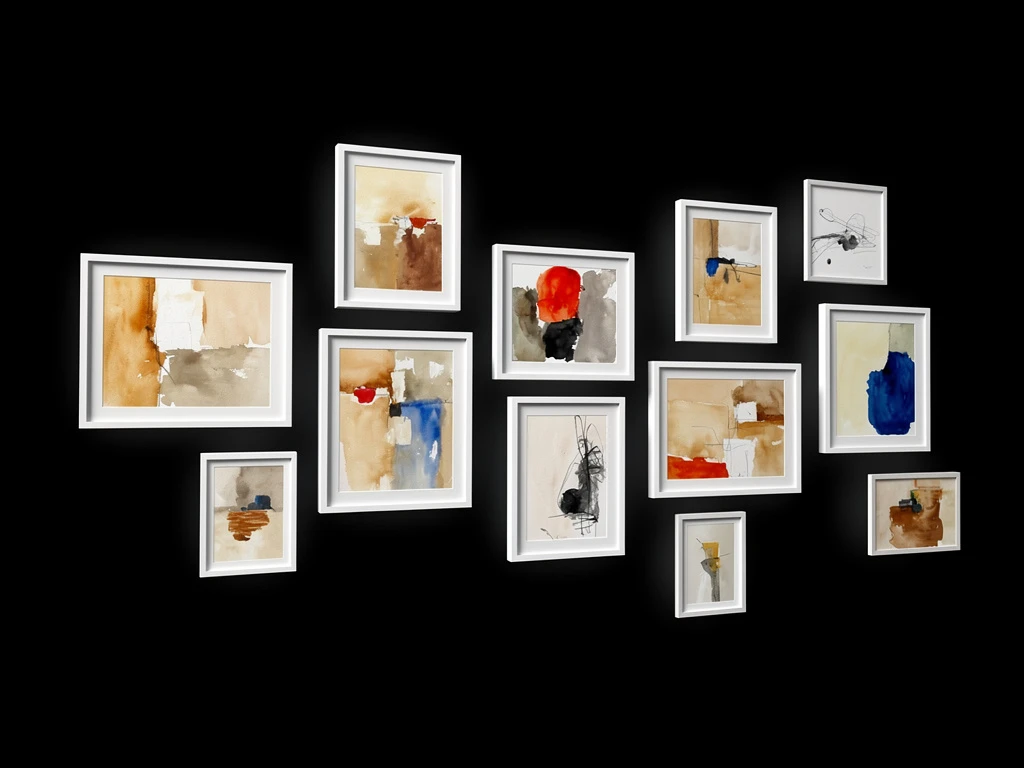
The secret to a successful digital gallery is visual pacing. You must choose a platform that allows you to break the rigid corporate grid. You need dynamic, asymmetrical masonry layouts that allow a massive horizontal landscape to sit beautifully next to a tight vertical portrait. A specialized portfolio builder allows you to curate the flow of the page just like a curator arranges a physical gallery room.
The Problem: Aggressive Image Compression
This is the silent killer of fine art portfolios. Generalist builders host millions of text-heavy sites. To keep their servers fast, they automatically compress large image uploads.
If you are a painter whose work relies on thick impasto textures, or a sculptor working in patinated bronze, compression is disastrous. When a collector zooms in to see your brushwork, they see a blurry, pixelated mess. If they cannot see the physical quality of the work, they will not spend thousands of dollars on it.
The Solution: Uncompressed High-Resolution Rendering
You must choose a portfolio website builder designed specifically for visual creatives. These platforms allocate their server power differently, prioritizing uncompressed, high-fidelity image rendering. This ensures that the subtle color shifts and physical textures of your art remain razor-sharp, regardless of what device the collector is using.
The Problem: Clunky E-commerce Integration
Selling original fine art is not the same as selling dropshipped t-shirts. If your website builder's e-commerce template forces your $5,000 painting into a cluttered checkout page with generic "Add to Cart" animations, it ruins the luxury buying experience.
The Solution: Integrated, Zero-Commission Commerce
The right builder offers an e-commerce engine that blends seamlessly into the minimalist aesthetic of your gallery. Furthermore, specialized creative platforms often allow you to sell your originals without taking a massive percentage cut of the sale, protecting your profit margins.
Stop letting a generic platform devalue your hard work. By choosing Portfoliobox, you are selecting a portfolio website builder engineered specifically for fine artists—delivering uncompressed imagery, bespoke layouts, and zero-commission sales without requiring a single line of code.