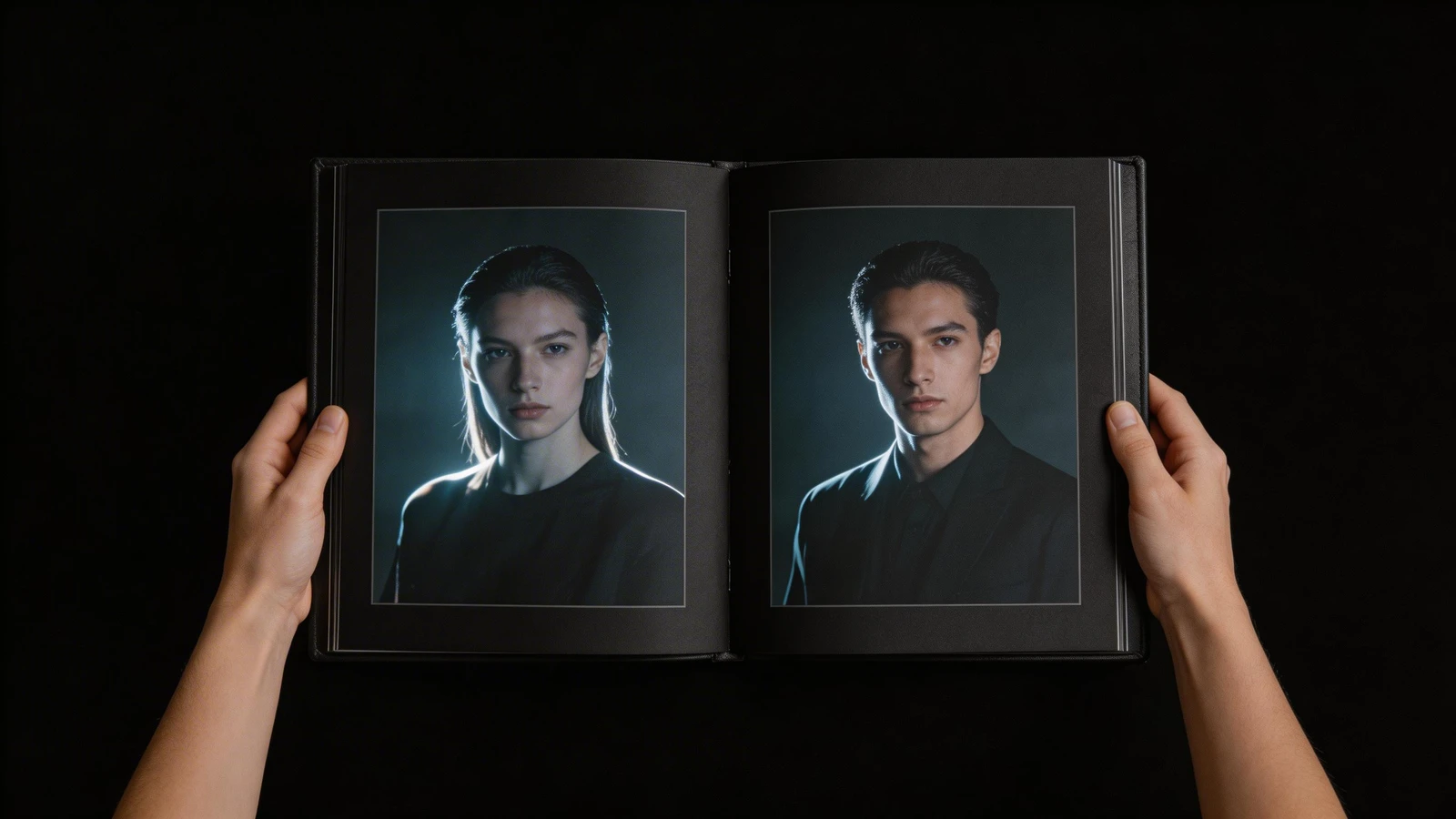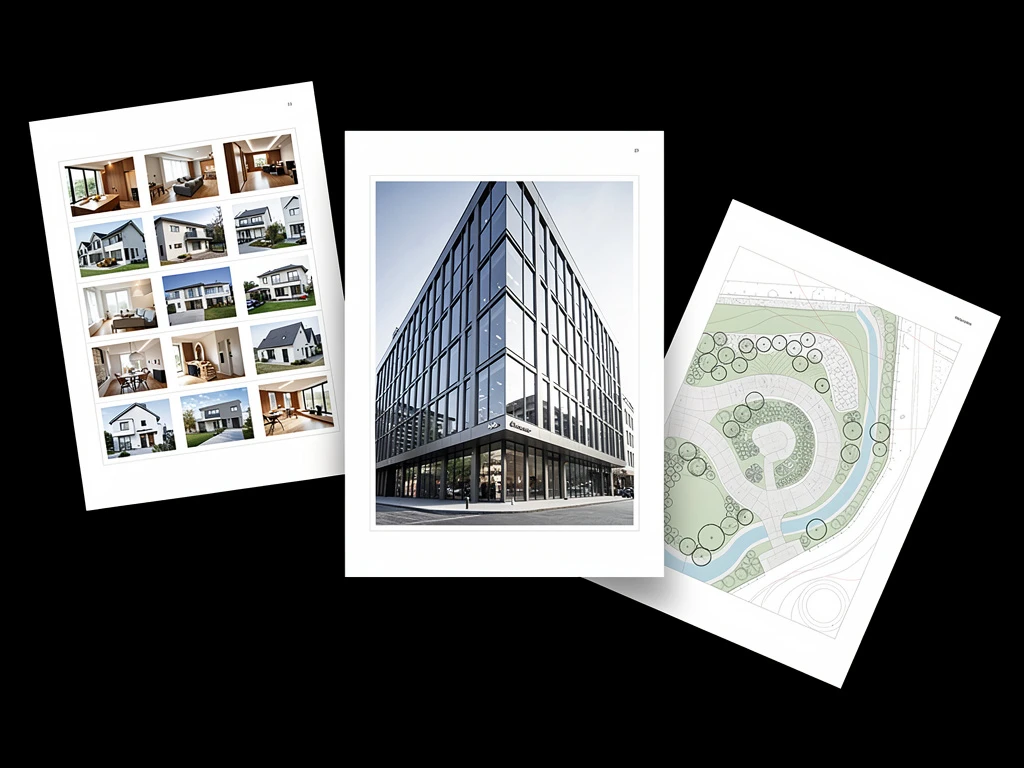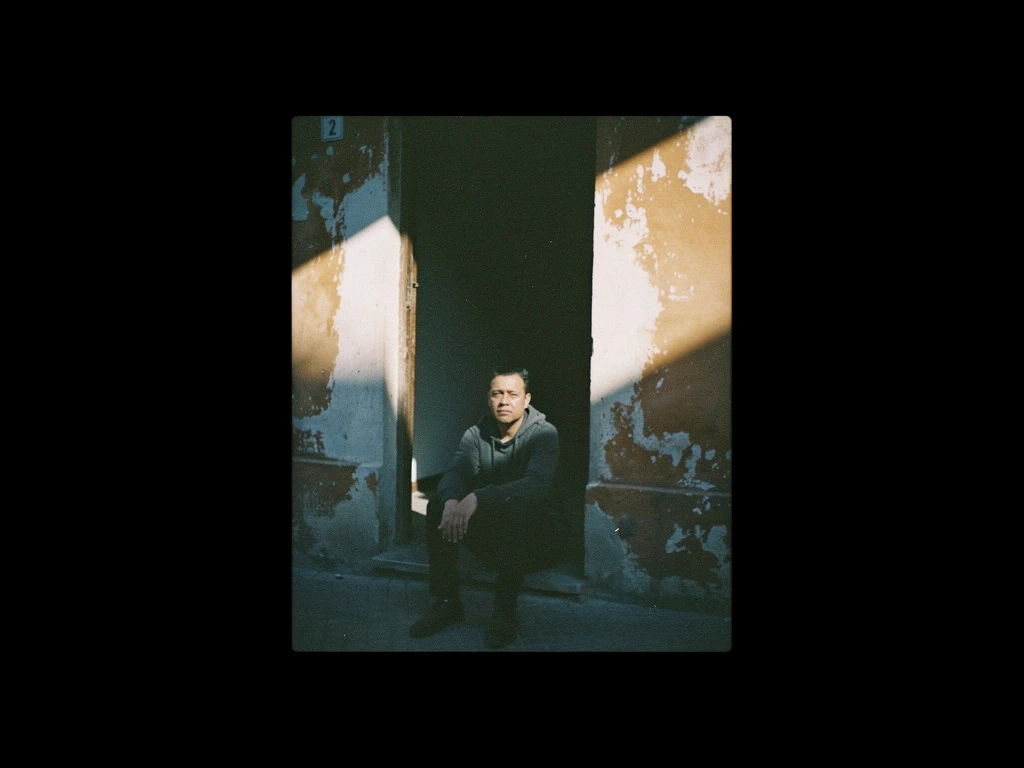
The internet is absolutely flooded with beautiful photography. Every single second, millions of high-resolution images are uploaded to social media platforms, blogs, and websites. In this incredibly saturated visual environment, many incredibly talented photographers find themselves screaming into the void. They spend weeks launching their website, upload their absolute best work, and wait for the phone to ring. And then... silence.
The immediate, emotional reaction is usually self-doubt. "My work isn't good enough," or "I need to buy a better, more expensive camera." But the harsh reality of the creative industry is rarely about the technical quality of the photos themselves. The problem is almost always how those photos are being presented to the world.
Many creatives inadvertently build what can only be described as a passive "picture portfolio"—a digital storage locker where images go to be admired, but rarely acted upon. They treat their website like a quiet museum exhibit rather than an active, aggressive business tool. If your website is generating views but consistently failing to generate revenue, you have a presentation problem. Let's break down the most common failures of a standard picture portfolio and uncover the exact, actionable solutions required to transform it into a career-building machine.
Problem 1: The Curse of the "Generalist" Picture Portfolio
The most common, career-stalling reason a picture portfolio fails to book clients is extreme, unfocused versatility. When you are starting out, you naturally want to shoot absolutely everything to gain experience and pay the bills. Consequently, you upload absolutely everything to your website to prove you are capable of handling any job.
To a busy art director, a photo editor, or a high-end potential client, a portfolio containing luxury weddings, cheap real estate interiors, macro insect shots, and moody high-fashion portraits doesn't communicate versatility; it communicates a glaring lack of mastery. It tells the client you haven't figured out who you are yet. If a commercial restaurant owner is looking for a food photographer for a major campaign, they want someone who lives, breathes, and dreams about food photography, not someone who shoots food on Tuesdays and newborn babies on Thursdays.
The Solution: Ruthless Specialization and Curation The secret behind a highly successful picture portfolio is strict curation and undeniable specialization. You must decide exactly what you want to be hired for, and only show that specific work. If you want to shoot high-end editorial fashion, you must aggressively remove the weddings, no matter how pretty the lighting was.
If you absolutely must show two different genres to survive financially in the short term (e.g., local weddings and corporate headshots), they must be completely segregated on your website. They should exist in separate, clearly labeled galleries that never overlap. Even better, consider creating two entirely separate websites so the branding, typography, and messaging for each distinct niche is crystal clear. Specialization builds massive authority, and authority allows you to command significantly higher rates.
Problem 2: The "Ghost Town" Aesthetic and Lack of Context
Another major, silent problem is the total lack of context. Many photographers falsely believe their images are so strong that they don't require any explanation. They upload a gallery of 30 stunning images with no text, no titles, no client names, and no information about the reality of the shoot.
When a commercial client looks at this type of picture portfolio, they might think the images are pretty, but they have absolutely no idea what problem you solved. They don't know if this was a massive commercial campaign with a 20-person crew and a strict creative brief, or a casual test shoot you did in your garage with a friend on a Sunday afternoon. Without context, the perceived financial value of the work plummets instantly.
The Solution: Case Studies and Client Context A successful picture portfolio actively provides context. Instead of just displaying the final, heavily retouched image, create brief, impactful case studies for your major projects.
- Who was the specific client or brand?
- What was the core creative brief or the marketing goal?
- What logistical or lighting challenges did you overcome on set?
- How did your specific photographic style achieve the client's ultimate goal?
Adding this crucial context transforms you from a passive "person with a camera" into an active, strategic creative partner. It proves to future clients that you intimately understand the business side of commercial photography and that you can deliver reliable results under pressure.
Problem 3: Friction in the User Experience (UX)
You have curated your work beautifully, you have specialized in a profitable niche, and you've provided excellent context. But your bounce rate is still high, and your email inquiries are low. The problem often lies in the invisible architecture of your picture portfolio—the user experience (UX).
If your website takes six agonizing seconds to load because you uploaded massive, uncompressed TIFF files, the client is gone. If your main navigation menu is hidden behind a clever but confusing icon, the client is frustrated. If they have to scroll through three dense pages of your personal biography just to find your email address, they will simply close the tab and hire the next photographer on their list.
The Solution: Invisible Design and Clear CTAs A successful portfolio removes every single ounce of friction between the client seeing a brilliant image and contacting you to hire you.
- Optimize Obsessively for Speed: Resize your images specifically for the web and compress them. Your galleries must load instantly, even on a weak cellular connection.
- Simplify Navigation: Keep your menu brutally simple and entirely predictable: Portfolio, About, Contact. Do not use clever names for these pages.
- Strategic Calls to Action (CTAs): Do not assume the client knows what to do next. Place clear, prominent "Book Now," "Request a Quote," or "Inquire" buttons at the bottom of every gallery and heavily on your About page.
- Mobile First Mentality: Assume every single art director is viewing your site on an iPhone while commuting. If your site isn't flawlessly responsive on mobile, it is entirely useless as a marketing tool.
Problem 4: The Static Archive Syndrome
A subtle but incredibly damaging problem with many picture portfolios is stagnation. You spend three weeks building the perfect website, you launch it to great fanfare on social media, and then you don't touch the backend of the site for two entire years.
When a repeat client, a producer, or an agency art director revisits your site to consider you for a new project and sees the exact same images they saw 18 months ago, the subconscious message is that you haven't been working. A static, unchanging website strongly implies a stagnant, dying career.
The Solution: The Living, Breathing Portfolio You must treat your website as a living, evolving document. As you shoot new projects, constantly evaluate if they beat the images currently on your site. If a new shoot is stronger, immediately swap out the weaker images.
Schedule a non-negotiable quarterly review of your picture portfolio. Treat it like a mandatory business meeting with yourself. Even if you haven't shot major client work recently, use dedicated personal projects or stylized test shoots to refresh your galleries. Keeping your work visibly fresh signals to the industry that you are active, in-demand, creatively inspired, and constantly evolving your craft.
The Ultimate Secret: Treating Your Portfolio as a Business
The overarching, fundamental secret behind a successful picture portfolio is a massive mindset shift. You must permanently stop viewing it as a precious personal art gallery and start treating it as your primary, aggressive marketing engine.
When you solve the structural problems of the generalist aesthetic, provide vital commercial context, eliminate UX friction, and keep the content fresh, your website stops being a passive repository for files. It begins actively building your career, acting as a tireless, automated salesperson that filters out bad fits and aggressively attracts your ideal, high-paying clients while you sleep.
Building your portfolio doesn't have to be complicated. With Portfoliobox, you can create a stunning portfolio website in minutes — no coding required.