When I first sat down to build my professional architecture website, I was paralyzed by the blank digital canvas. I had gigabytes of CAD files, high-resolution renders, and polished project descriptions, but I had no idea how to structure them into a compelling online presence.
In my frustration, I went digging through my old hard drives, looking for inspiration. Deep in an archived folder, I found my high school AP 2-D Art and Design portfolio submission.
I hadn't looked at those files in nearly a decade. But as I clicked through my old AP 2-D art and design portfolio examples, a sudden realization hit me: my high school art portfolio was actually better structured, more cohesive, and more visually engaging than the professional architecture website I was currently trying to build.
The strict constraints of the AP Art board had forced me to be a better storyteller. By translating the lessons of those early 2-D art examples to my modern digital presence, I finally cracked the code of my architecture website.
Here is how examining stunning AP 2-D art and design portfolio examples can inspire and elevate your professional architecture website.
The Power of the "Sustained Investigation"
The core requirement of the AP 2-D Art portfolio is the "Sustained Investigation"—a body of work unified by an underlying idea or visual inquiry. When I looked back at my AP portfolio, the thematic unity was striking. Every piece, though visually distinct, felt like part of the same sentence.
When I looked at the first draft of my architecture website, it looked like a random yard sale of projects. There was a residential bathroom, next to a conceptual skyscraper, next to a chair I built in the woodshop.
The Lesson for Your Website: Your professional portfolio website needs a "Sustained Investigation." It needs a unifying theme or philosophy that ties your disparate architectural projects together.
When a client visits your homepage, they shouldn't just see a grid of random buildings. They should immediately grasp your specific architectural focus—whether that's sustainable urbanism, minimalist residential interiors, or adaptive reuse. Group your online portfolio by these themes rather than just chronological order.
Showcasing Process, Not Just Perfection
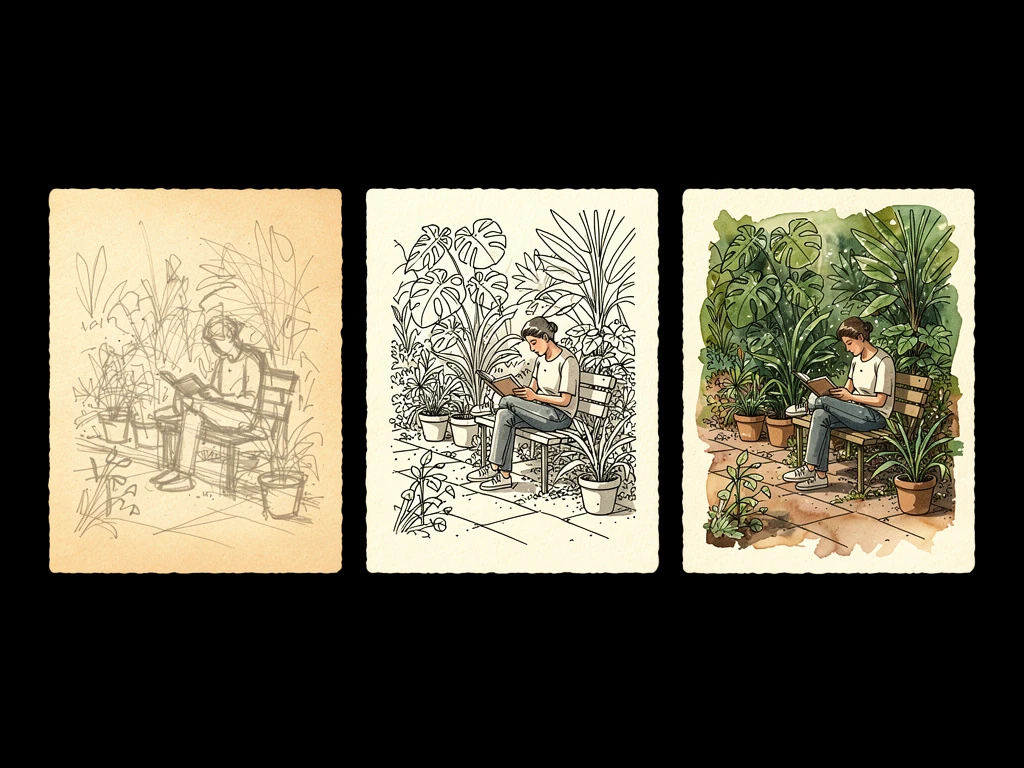
One of the most striking things about reviewing top AP 2-D art and design portfolio examples is how they celebrate the messy process of creation. The College Board explicitly asks students to show practice, experimentation, and revision. You see sketchbooks, failed iterations, and raw materials.
In contrast, architects have a terrible habit of only showing the final, hyper-polished, perfectly lit rendering on their websites. We scrub away all the struggle, hiding the messy human process behind a veneer of digital perfection.
The Lesson for Your Website: Clients and employers want to see how you think. They want to see the human hand behind the digital model.
Create a "Process" section for the projects on your website. Show the early, ugly massing models. Show the tracing paper sketches with coffee stains. Show the physical material palettes you put together. This transparency builds trust and demonstrates that your final designs are the result of rigorous, thoughtful iteration, not just a lucky click in a software program.
The Boldness of Curation and Negative Space
In AP Art, you are strictly limited in how many pieces you can submit (usually around 15). This forces intense, sometimes painful curation. You have to kill your darlings and only present your absolute best work. Furthermore, because it is submitted on physical boards, the negative space (the blank space around the art) is a crucial compositional element.
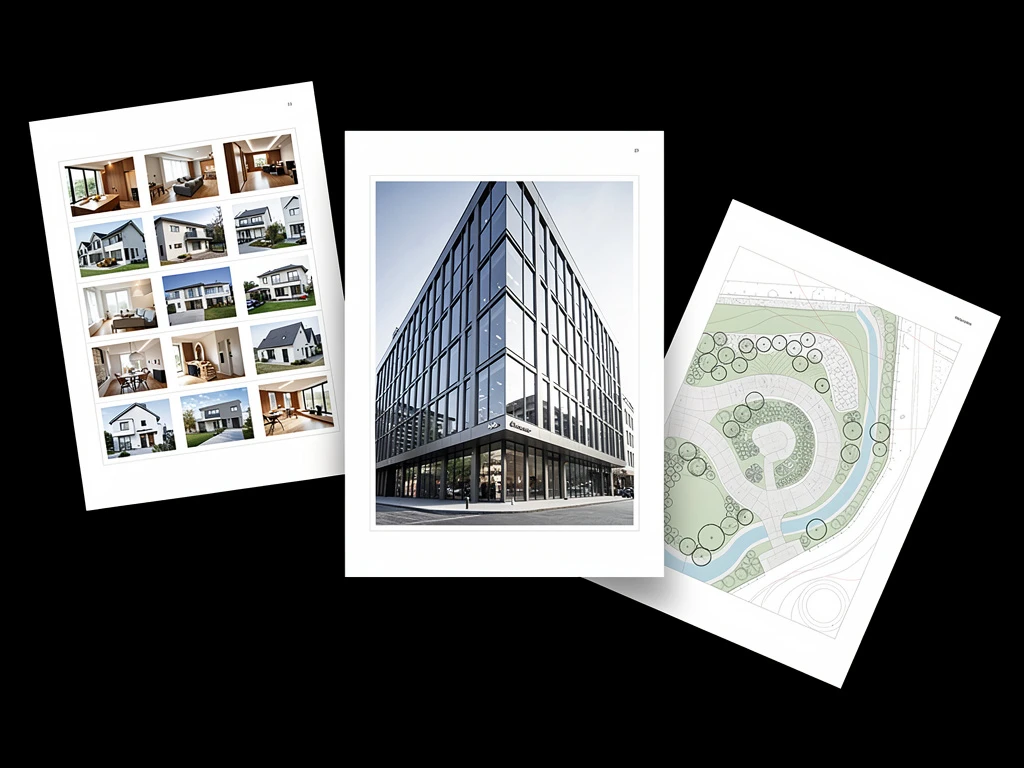
Most architecture websites suffer from the opposite problem. Because web space is infinite, architects upload everything. They include 50 photos of a single house, cluttering the screen and exhausting the viewer.
The Lesson for Your Website: Treat your website real estate as if it were a physical, 11x17 piece of paper. Be ruthless in your curation.
- Fewer Projects, Deeper Dives: Feature only your 5 to 8 strongest architectural projects.
- Fewer Images, Higher Impact: For each project, select no more than 6-10 powerful images.
- Embrace Digital White Space: Use a clean, minimalist website template. Let your architectural renders breathe. The white space on your screen is just as important as the pixels that make up your drawings.
Returning to Your Creative Roots
Sometimes, to move forward professionally, we have to look back. Revisiting my AP 2-D art and design portfolio examples reminded me that before I was a technician worried about building codes and software updates, I was a visual artist focused on composition, light, and storytelling.
By applying those fundamental artistic principles to the structure and curation of your digital presence, you can build an architecture website that doesn't just display your work, but truly captivates your audience.
Building your portfolio doesn't have to be complicated. With Portfoliobox, you can create a stunning portfolio website in minutes — no coding required.