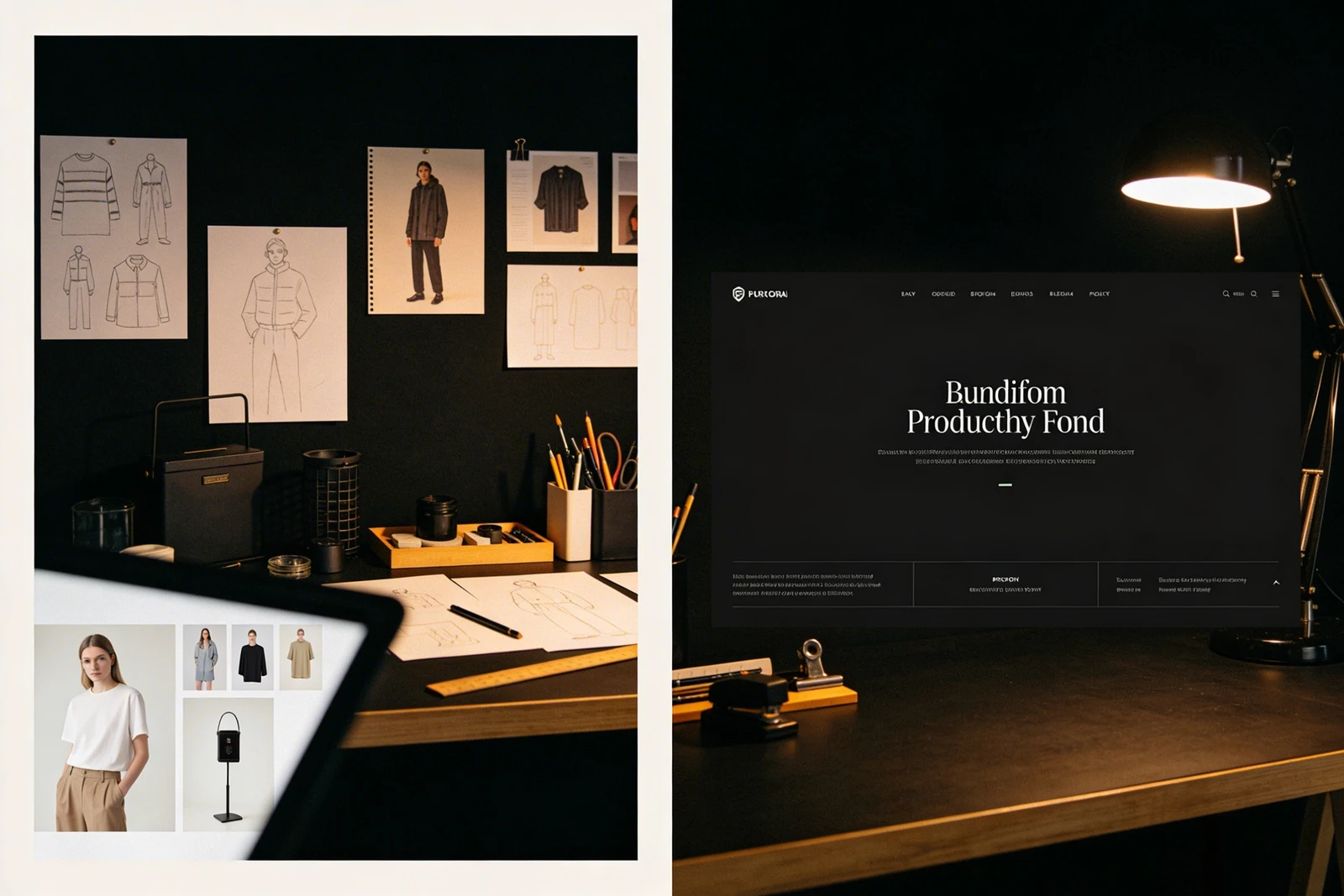
In the modern modeling industry, relying solely on an agency's roster page or an Instagram account is no longer enough to sustain a high-level career. Whether you are an independent freelancer or a signed talent looking to expand your client base, a professional modeling site is your most critical business asset. It is your digital comp card, your tear sheet archive, and your direct line to casting directors all rolled into one.
If you are serious about building industry authority and booking consistent work, you need to approach your nn model site with the same level of professionalism as a corporate portfolio. Here is a deep dive into building a digital presence that converts views into bookings.
The Problem with Social Media as a Portfolio
Many new models mistakenly believe that a curated social media feed is an adequate substitute for a dedicated website. It is not.
Social media platforms are designed for engagement, not professional assessment. When a casting director is reviewing talent for an urgent commercial campaign, they do not want to scroll past your vacation photos or sponsored posts to find your latest digitals. They want a clean, distraction-free environment where they can immediately access your stats, your comp card, and your high-resolution tear sheets. A dedicated modeling site signals that you treat your career as a serious business.
Structuring for the Casting Director's Workflow
Your website must be designed with the casting director's workflow in mind. They are usually time-poor and reviewing dozens of candidates an hour.
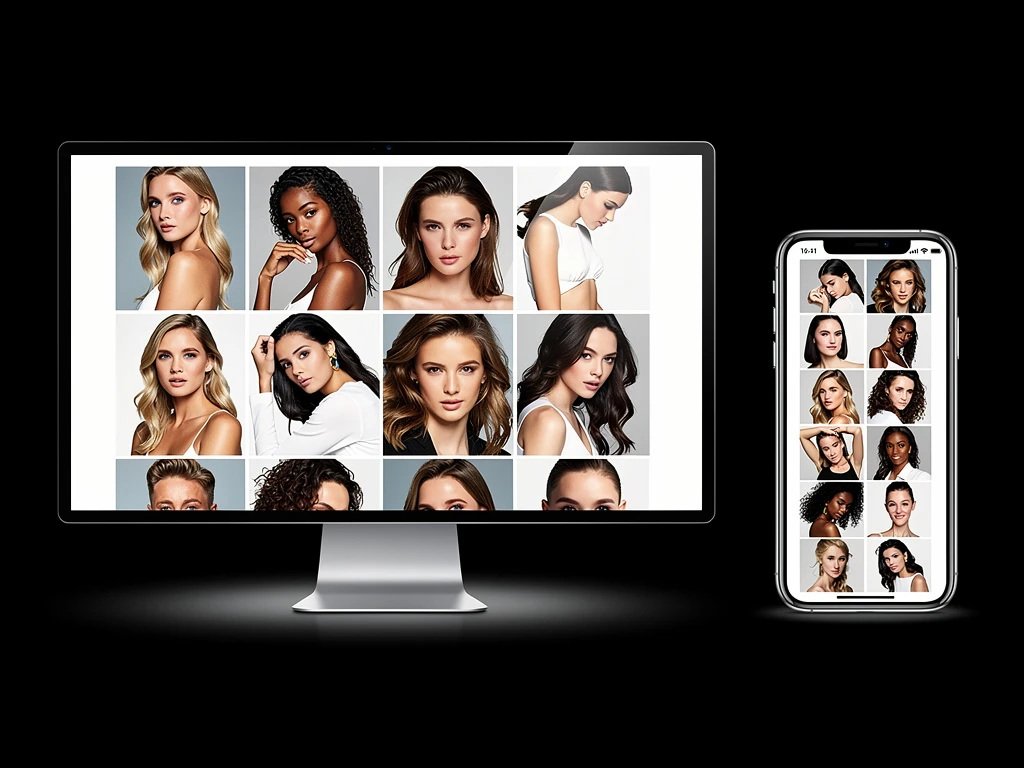
Your site should have an intuitive navigation structure. Separate your work into clear, logical categories such as "Editorial," "Commercial," "Runway," and "Digitals." The "Digitals" page is arguably the most important section; it must feature updated, raw polaroids taken in natural light so clients can see your current look without heavy styling or retouching.
Additionally, your essential stats (height, bust/waist/hips, shoe size, hair color, eye color) must be instantly visible, ideally on a dedicated "About" or "Contact" page.
Prioritizing Image Quality and Load Speed
A modeling site is entirely visual, which means the quality of your images is paramount. However, there is a delicate balance between high resolution and load speed.
If a casting director clicks a link to your site and the images take ten seconds to load, they will close the tab and move on to the next candidate. You must ensure your images are optimized for the web—crisp and clear, but compressed enough to load instantly on both desktop and mobile devices.
The Power of the Digital Comp Card
While physical comp cards (zed cards) are still used for in-person castings, the digital comp card is your primary marketing tool. Your website should feature a downloadable PDF version of your comp card. This allows producers to easily save your information to their casting folders or share it with clients for approval.
The digital comp card should feature your strongest headshot on the front, a composite of 3-4 diverse looks on the back, and your current stats and agency contact information clearly legible.
Owning Your Narrative
Finally, a dedicated website allows you to own your narrative. You control the branding, the aesthetic, and the order in which clients view your work. You are not at the mercy of an algorithm changing how your images are displayed.
Building this essential career tool doesn't have to be complicated. With Portfoliobox, you can create a stunning, agency-grade modeling site in minutes — no coding required.