I once watched a highly anticipated new face freeze completely during a high-stakes commercial casting. She had an incredible look, but when the director asked her to transition through five different "casual lifestyle" expressions, she panicked. She simply didn't have a deep enough repertoire to draw from. She hadn't built her modelling bench.
In the industry, your "modelling bench" refers to your mental (and physical) reserve of practiced poses, micro-expressions, and movement transitions. Just like a sports team relies on a strong bench of players, a model relies on a strong bench of skills. Here is how you can build a reliable modelling bench and establish true industry authority.
The Danger of the "One-Look" Model
Many models achieve initial success because they master one specific, striking look. However, trends change rapidly. If your entire career is built on a single brooding stare, you will struggle to book commercial work that requires warmth, approachability, or dynamic movement.
A shallow modelling bench means you are easily replaceable. When an art director gives a complex direction—"Give me confident but approachable, as if you've just solved a problem"—you need to be able to pull that exact emotion from your bench instantly, without looking staged.
Drilling Your Micro-Expressions
Building your bench requires deliberate, solitary practice. You cannot wait until you are on a $10,000 set to figure out how your face looks when you smile with your eyes but not your mouth (the famous "smize").
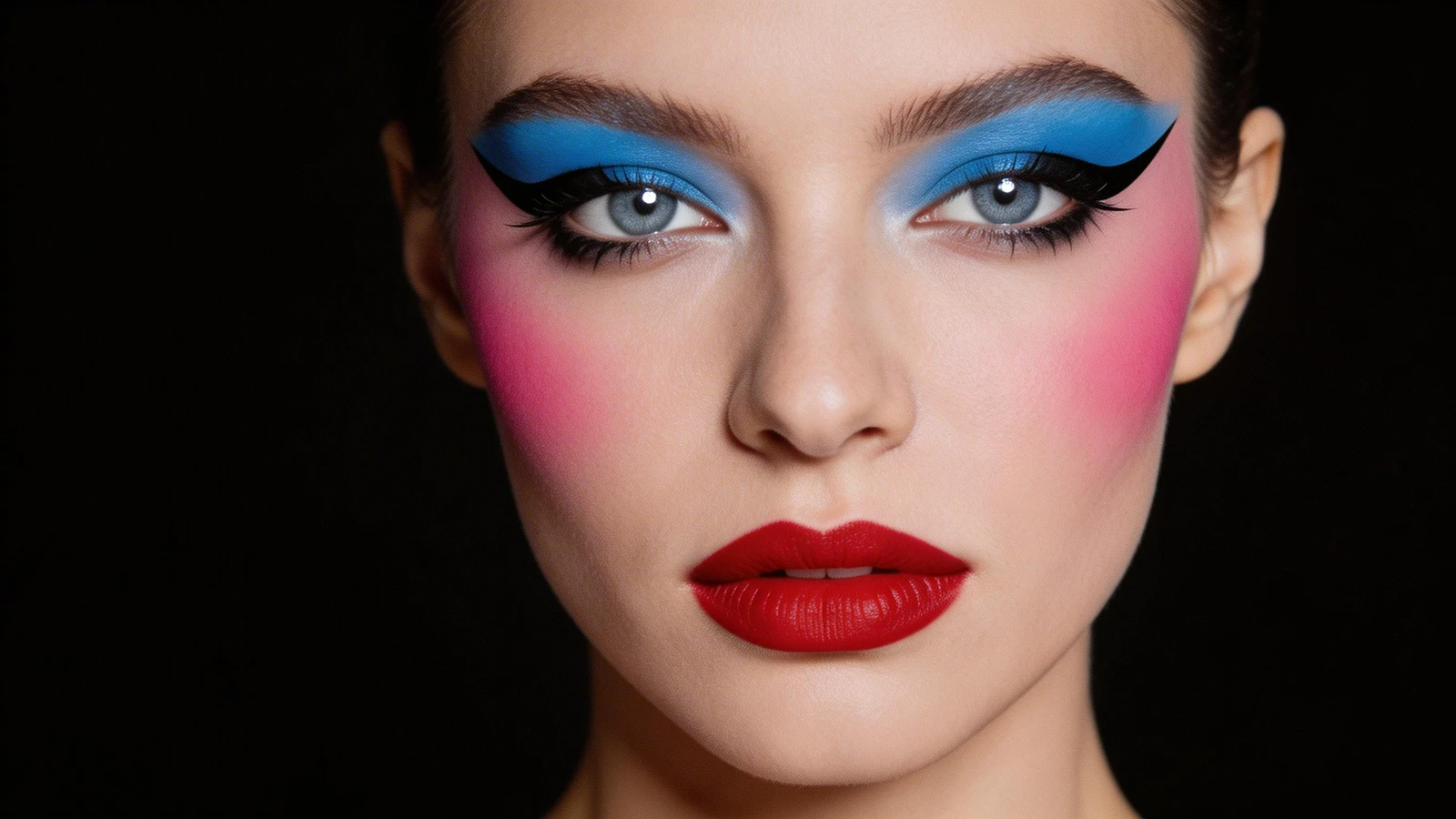
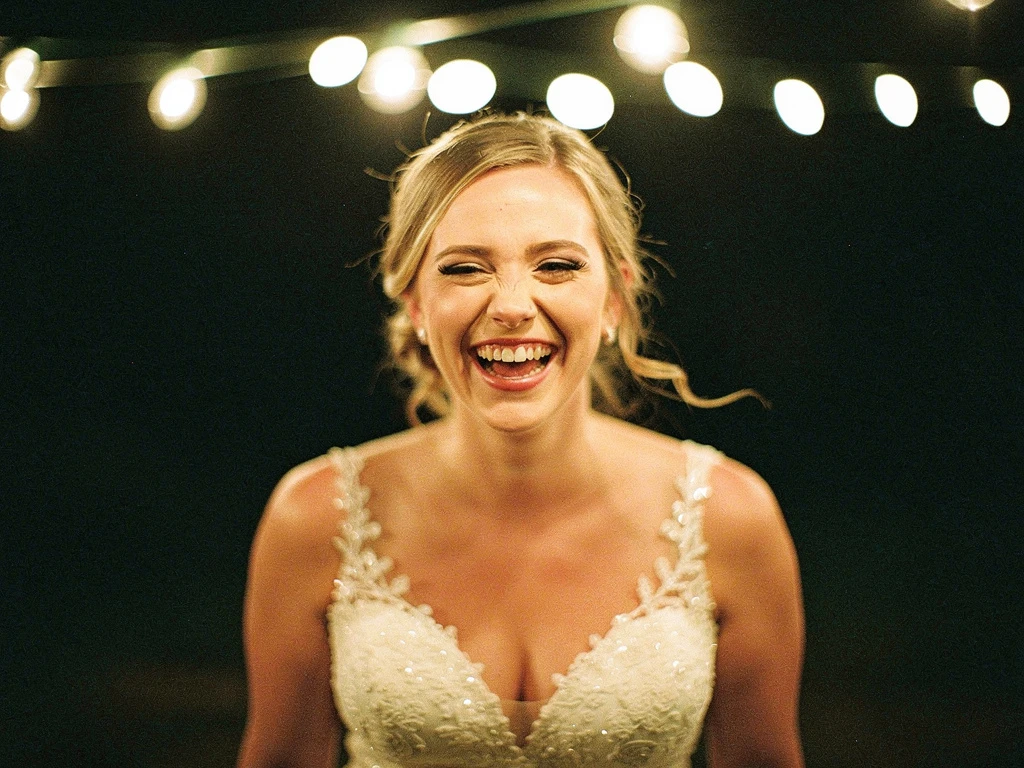
Set up a camera on a tripod and record yourself transitioning through emotions. Watch the playback critically. Learn the difference between a commercial smile (broad, teeth showing, eyes crinkled) and an editorial stare (relaxed jaw, intense eye contact, slightly parted lips). Your goal is to build muscle memory so these expressions can be summoned on command.
Mastering Movement and Angles
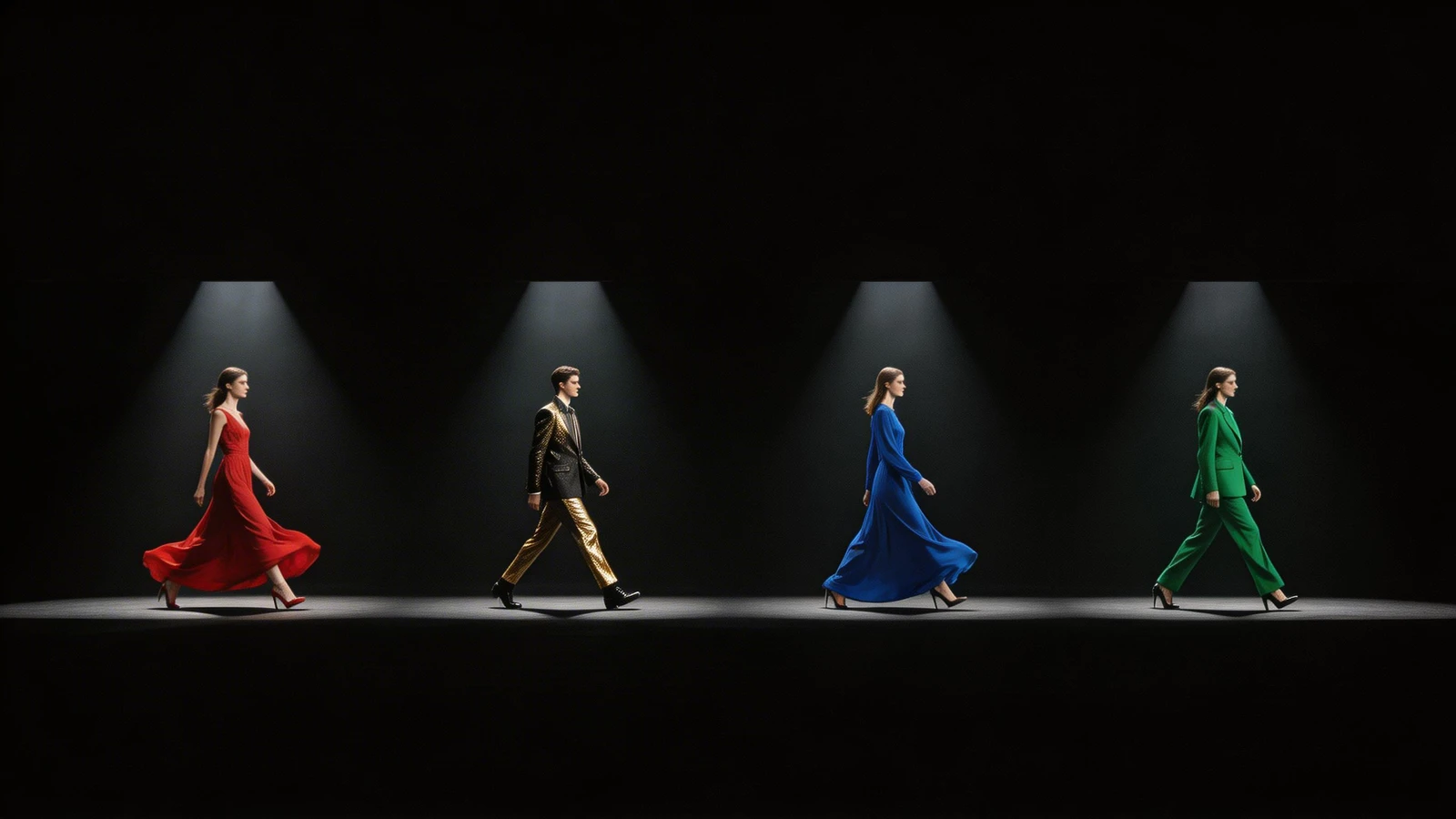
Your bench must also include physical transitions. The best models don't just strike a pose and hold it; they flow fluidly from one angle to the next, giving the photographer a constant stream of usable frames.
Study dancers and athletes. Practice shifting your weight seamlessly. Know exactly which angles flatter your specific body type and face shape. If a photographer asks for a strong profile, you should intuitively know whether your left or right side catches the light better.
Showcasing Your Bench Digitally
Once you have built a deep modelling bench, you must prove it to casting directors before they ever meet you. Your portfolio website should be a masterclass in versatility.
Don't group all your brooding black-and-white editorial shots together. Mix them with bright, commercial lifestyle images and raw, natural digitals. Show the client that you have the range to handle whatever concept they throw at you.
Building a portfolio that highlights your versatility doesn't have to be complicated. With Portfoliobox, you can easily categorize and display your deep modelling bench in minutes — no coding required.