When a fine artist—a painter, sculptor, or mixed-media creator—sets out to build their digital presence, they usually look at other painters for inspiration. While this is helpful, it often creates an echo chamber of bad habits, the most common being visual clutter and a lack of curation.
If you want to learn how to present yourself as a premium, highly desirable brand, you should look outside the fine art world. Specifically, you should look at the high-stakes world of high fashion. The structural rules that govern a professional model portfolio website are incredibly strict, highly effective, and translate perfectly to fine art presentation. Here is a guide on how to steal their strategies to book more gallery shows.
1. The Rule of the "Book" (Extreme Curation)
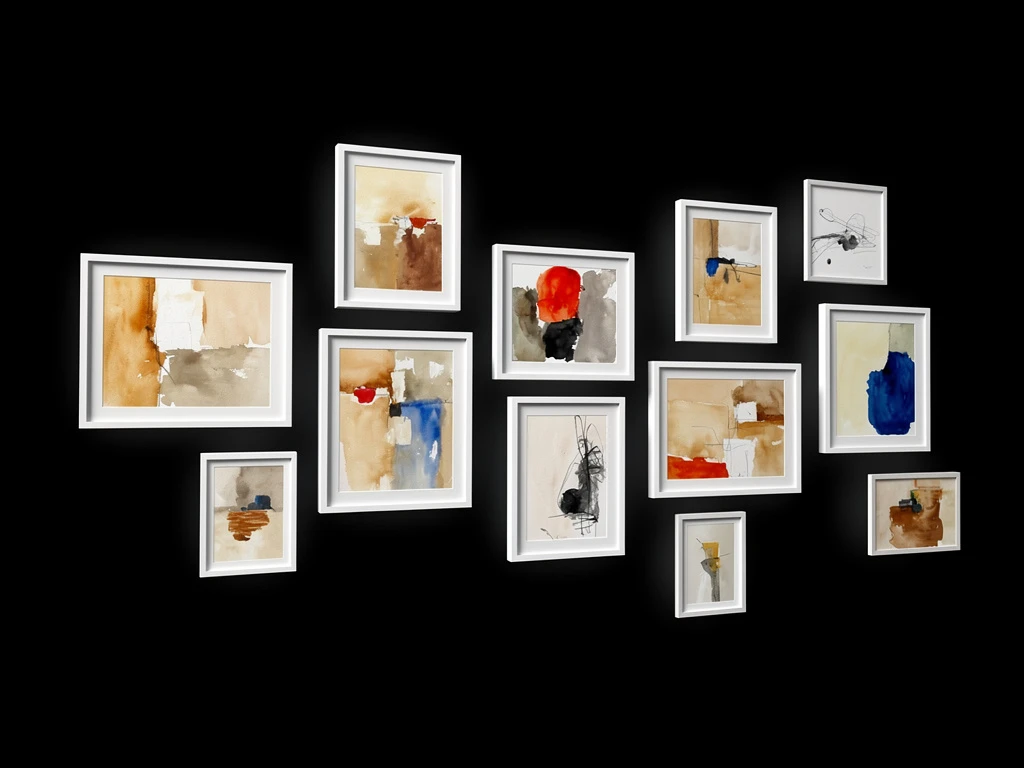
In the fashion industry, a model's portfolio is called their "book." A standard agency book contains exactly 10 to 15 photos. Not 50. Not 100.
A model never shows casting directors every photo ever taken of them. They only show the absolute best, most breathtaking shots. The Lesson for Fine Artists: Stop treating your website like an archival storage drive. You are judged by your weakest painting. If you upload 30 mediocre sketches alongside 5 masterpieces, a gallery director will focus on the mediocre work. Curate your website exactly like a model's book. Limit your main gallery to your absolute best 12 pieces. Force the viewer to see nothing but perfection.
2. The Power of "Tearsheets" (Contextual Proof)
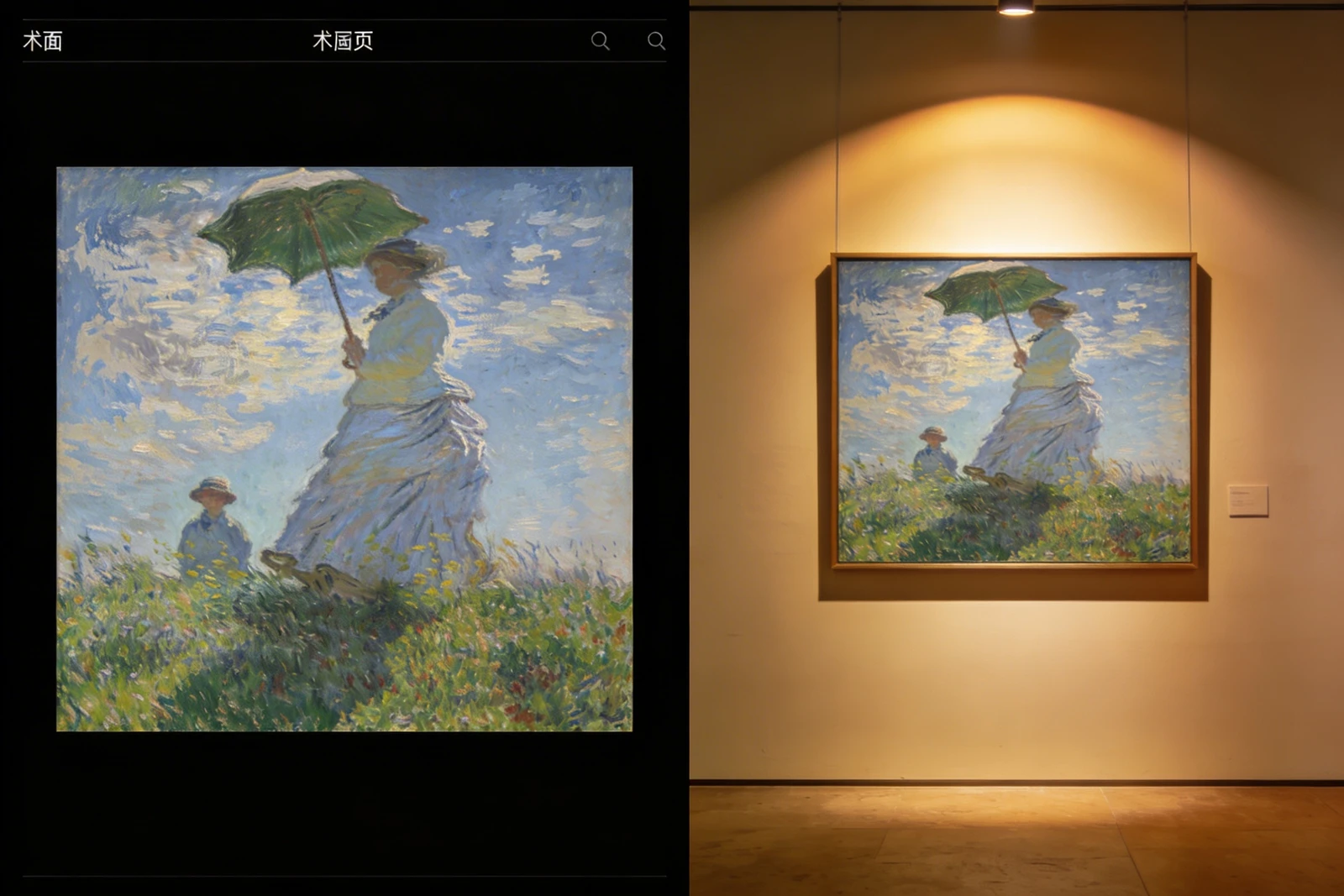
When a model books a magazine cover or a major ad campaign, they include those "tearsheets" (the actual printed pages) in their portfolio. This provides immediate social proof that they are hirable.
The Lesson for Fine Artists: A flat digital scan of your painting is just an image. A photograph of your painting hanging on the wall of a prestigious gallery, or a photo of your artwork featured in an interior design magazine, is proof of value. Whenever possible, include contextual photographs of your art existing in the real world to establish industry authority.
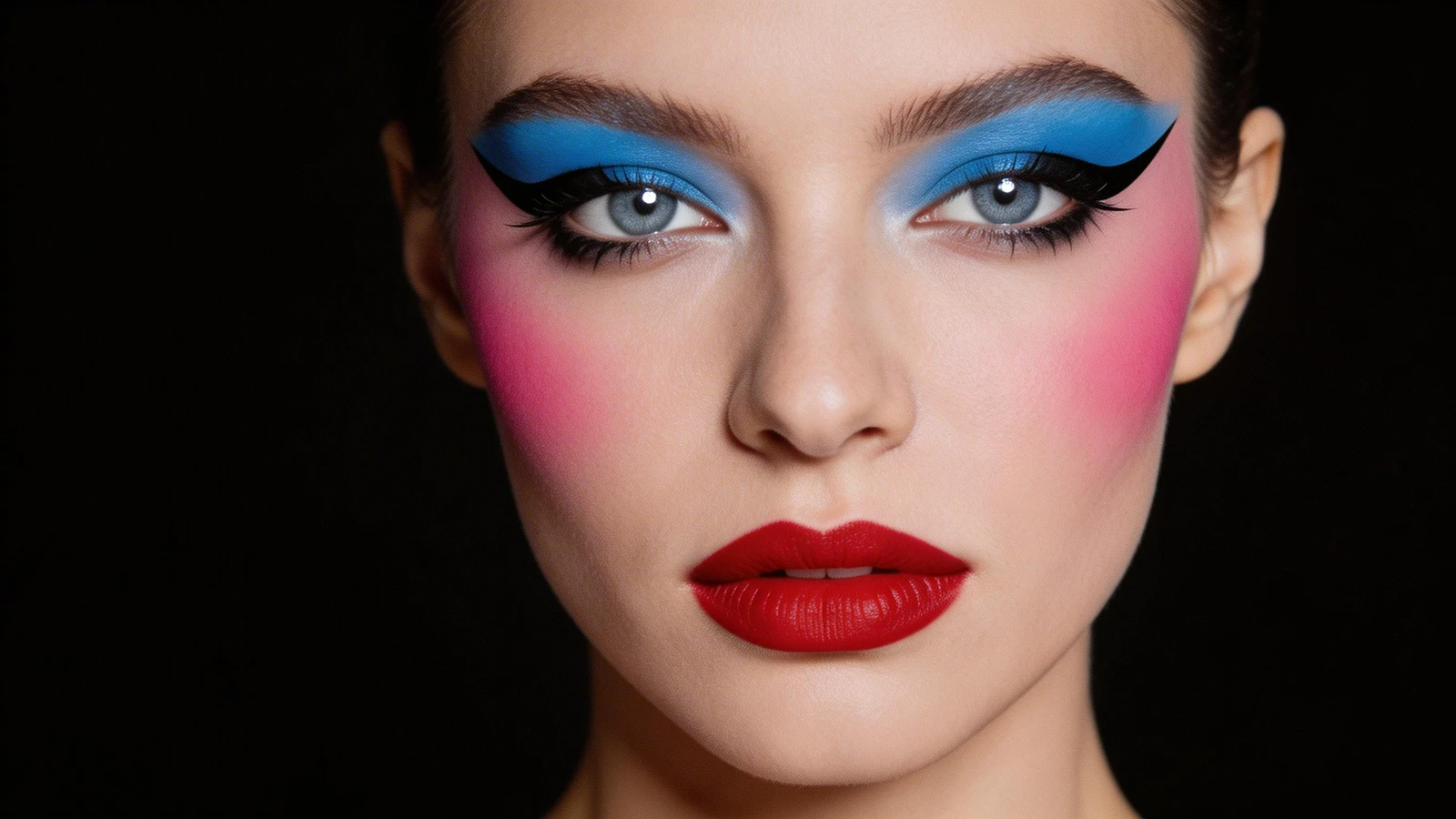
3. The "Comp Card" Aesthetic (Minimalism)
A model's "comp card" (their business card) is starkly minimalist. It features a few striking photos, their name, and their physical measurements in a clean, sans-serif font on a white background. There are no floral patterns or cursive fonts.
The Lesson for Fine Artists: Your website design should act as an invisible frame. Remove all the "creative" web design elements you added. Ditch the textured backgrounds. Use stark gallery white (or pure black) and a clean geometric font. Let the vibrant colors of your oil paintings provide all the visual excitement on the screen.
4. The Variety of the "Look"
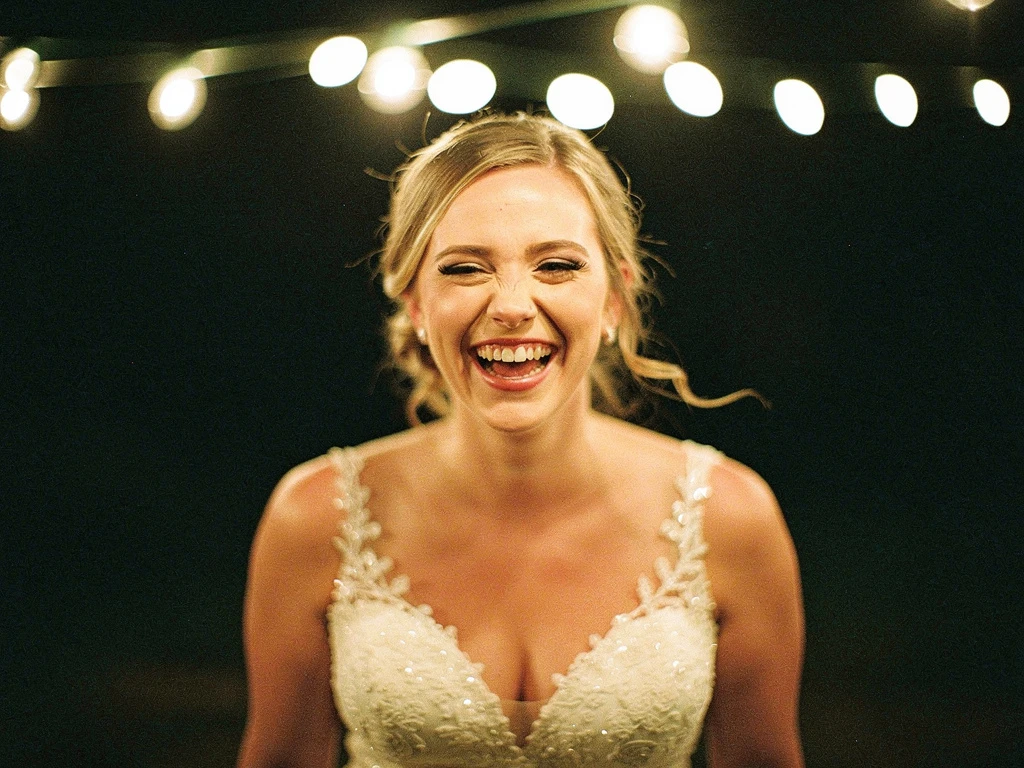
A professional model portfolio website never shows 15 photos of the model wearing the exact same outfit from the exact same angle. It shows versatility: a beauty shot, a full-body shot, an editorial look, and a commercial look.
The Lesson for Fine Artists: While you must maintain a cohesive style, you must show variety within that style. Don't upload 12 identical landscapes. Show a wide, panoramic landscape, followed by an intimate, macro-focused nature study, followed by a vertical portrait. This proves you have range within your mastery.
Presenting your work with the strict discipline of the fashion industry requires a clean, professional platform. With Portfoliobox, you can effortlessly implement the sleek, minimalist layouts of a high-end model portfolio website, elevating your fine art brand in minutes — no coding required.