The fashion and commercial modeling industry is notoriously fast-paced and highly critical. When an art director, modeling agency, or casting director reviews a photographer's work, they make a judgment within seconds. They aren’t just looking for pretty faces; they are looking for a cohesive vision, an understanding of industry standards, and the technical ability to execute complex briefs.
Your model photography portfolio is the ultimate proof of your competence. It dictates the caliber of clients you attract, the models agencies are willing to trust you with, and the rates you can command. A fragmented, unpolished portfolio signals an amateur, while a curated, tightly focused body of work establishes immediate industry authority.
In this deep dive, we will explore the strategic framework for building a model photography portfolio that elevates your brand and positions you as a sought-after professional in the fashion and commercial space.
The Purpose of a Model Photography Portfolio
Before diving into curation and design, it is essential to understand the dual purpose of a model photography portfolio. It serves two distinct audiences:
- Clients (Brands, Magazines, Art Directors): They need to see that you can sell a product, capture a mood, or execute an editorial vision. They are looking at lighting, composition, and consistency.
- Modeling Agencies: They need to see that you know how to photograph models in a way that benefits their book (their own portfolio). They want to know you can direct talent, understand posing, and deliver high-quality test shoots (often called testing).
A successful model photography portfolio must satisfy both audiences simultaneously. If your work only appeals to other photographers, you are missing the mark. You must demonstrate that you understand the business of fashion and modeling.
Curation: Building the Narrative of Competence
The most common mistake emerging fashion and portrait photographers make is treating their portfolio like an archive. A portfolio is not a history of everything you have ever shot; it is a highly curated exhibition of your very best work, tailored to the jobs you want to get.
Quality Over Quantity: The 20-Image Rule
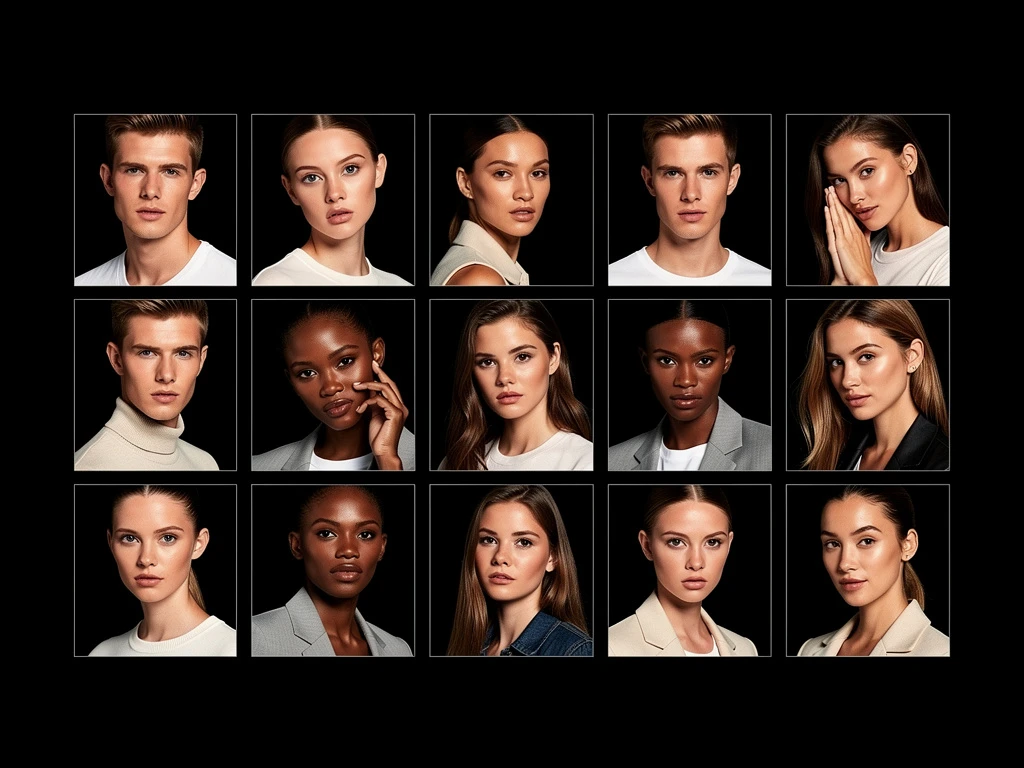
In the fast-paced fashion industry, nobody has time to scroll through 100 images. Aim for a primary gallery of 15 to 25 absolute standout photographs.
Every image you include must serve a specific purpose. Does it show your mastery of studio lighting? Your ability to direct dynamic movement? Your eye for styling and location? If an image is just "okay," or if you have to explain the circumstances behind it ("the lighting was tough, but..."), it must be cut.
If you feature one weak image, art directors will assume that is your baseline standard. Your portfolio is only as strong as your weakest shot.
Establishing a Cohesive Visual Identity
Industry authority is built on consistency. When a client hires you, they are buying a specific aesthetic. If your portfolio jumps sporadically between high-contrast gritty street fashion, soft pastel bridal portraits, and moody black-and-white fine art, the client won't know which version of you will show up on set.
Your model photography portfolio must present a unified visual voice. This doesn't mean every image must look identical, but there should be a distinct through-line—whether it's your approach to color grading, your lighting style, or the way you interact with your subjects.
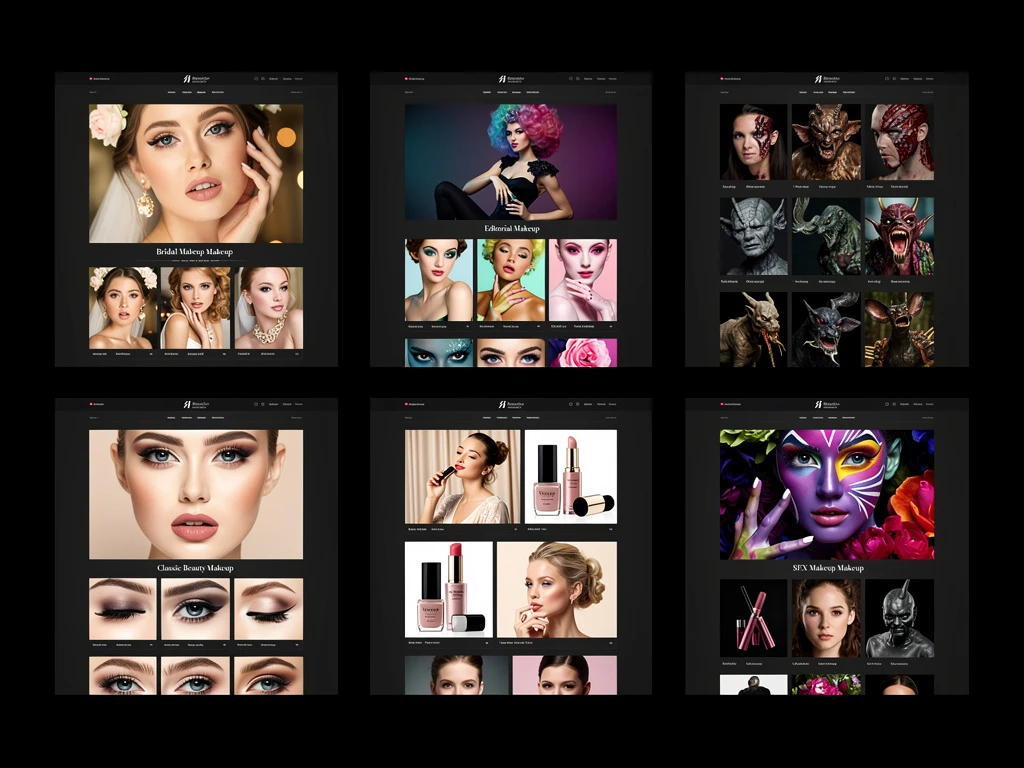
If you have multiple, distinct styles (e.g., commercial e-commerce vs. editorial fashion), they must be separated into clearly defined, separate galleries. Never mix them on your homepage.
Structuring the Portfolio for Maximum Impact
The architecture of your website is just as important as the images it hosts. The user experience (UX) of your digital portfolio speaks volumes about your professionalism.
The Homepage: The 3-Second Pitch
Your homepage is your digital storefront. It needs to make an immediate impact. Many top fashion photographers opt for a minimalist approach: a single, striking hero image or a very tightly curated grid of their strongest recent work.
Avoid cluttered navigation menus or complex animations that slow down the loading time. The goal is to get the visitor looking at your best work as quickly as possible, with zero friction.
Organizing Galleries by Industry Standards
When structuring your galleries, use terminology that the industry understands. Instead of abstract titles like "Visions" or "People," use clear, professional categories:
- Editorial: Fashion stories shot for magazines or conceptually driven narratives.
- Commercial/Advertising: Work focused on selling a product or brand lifestyle.
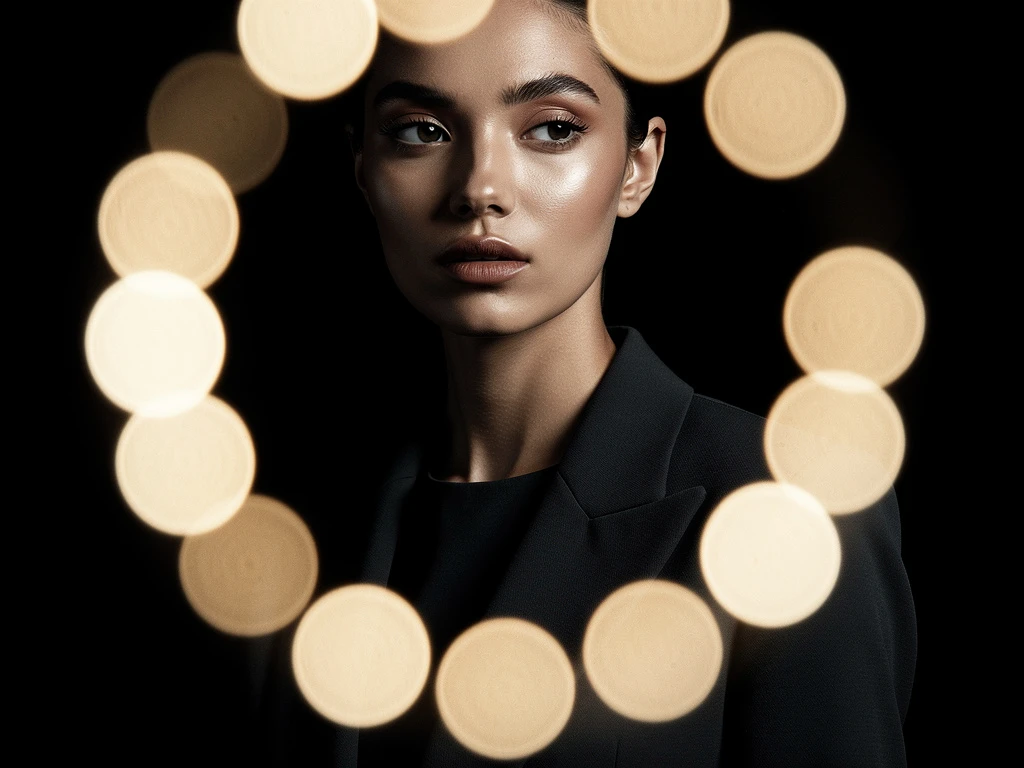
- Beauty: Tight close-ups focusing on makeup, hair, and skincare.
- Test Shoots (or Portraits): Strong individual portraits and agency tests that show your ability to capture raw talent.
This organization shows that you understand the different facets of the industry and know how to categorize your work appropriately.
The Power of the Tear Sheet
If you have been published in magazines or shot campaigns for recognizable brands, you must showcase this. "Tear sheets" (digital scans or layouts of your published work in context) are the ultimate form of social proof in the fashion industry.
Including a dedicated "Tear Sheets" or "Tears" section in your model photography portfolio proves that other art directors have trusted you with their budgets. It immediately elevates your perceived authority.
Technical Excellence and Presentation
A fashion portfolio must look premium. The design of your website should reflect the high-end nature of the industry you are trying to enter.
Prioritize Image Quality and Loading Speed
Fashion photography relies heavily on detail, color accuracy, and sharpness. Your images must be displayed at a high resolution. However, high-resolution images can lead to slow loading times, which is a conversion killer.
Ensure your images are properly optimized for the web. A professional portfolio platform will automatically handle image compression without sacrificing visual fidelity, ensuring your site loads quickly even on mobile networks.
The Importance of Mobile-First Design
Art directors, casting agents, and models are constantly on the move, viewing portfolios on their iPhones while traveling between sets. If your model photography portfolio is not perfectly optimized for mobile devices, you are losing jobs.
The mobile experience should not be an afterthought; it should be just as carefully designed as the desktop version. Navigation must be intuitive for touch, and images must scale correctly without awkward cropping.
Networking and Leveraging Your Digital Identity
A perfect portfolio sitting in a vacuum won't build your career. You must actively leverage your digital presence to build industry authority.
Testing with Agencies
One of the most effective ways to build a model photography portfolio is by shooting "tests" with modeling agencies. Agencies constantly need updated images for their "New Faces" boards.
Reach out to local agencies, providing a link to your polished digital portfolio. If your work shows promise, they will send you models to photograph. This is a symbiotic relationship: the model gets great images for their book, and you get high-quality, professional talent for your portfolio. Consistently producing excellent test shoots is the fastest route to industry recognition.
The "About" and "Contact" Pages
In the commercial world, clients hire people, not just pictures. Your "About" page should establish your professional background, your approach to photography, and a brief client list (if applicable). Keep it professional but inject your personality.
Your "Contact" page must be foolproof. Include a simple inquiry form, your direct email address, and your location (or bases of operation). Make it incredibly easy for a busy art director to book you.
Establishing Your Authority
Perfecting your model photography portfolio is an ongoing process of refinement. It requires a critical eye, a deep understanding of industry expectations, and a commitment to presenting your work in the most professional manner possible.
By prioritizing quality over quantity, establishing a cohesive visual identity, and ensuring a flawless user experience, you signal to the industry that you are a serious professional ready for high-level commissions. Your portfolio is more than a collection of images; it is the foundation of your brand and the key to unlocking a successful career in fashion and commercial photography.
Building your portfolio doesn't have to be complicated. With Portfoliobox, you can create a stunning portfolio website in minutes — no coding required.