The modeling industry is no longer confined to physical runways and print magazines. The rise of digital fashion, virtual influencers, and the metaverse has created an entirely new sector: the meta model. Brands are increasingly hiring real models to serve as the physical base for digital avatars, or casting models to represent digital-first clothing lines.
If you want to stay competitive and secure lucrative contracts in the digital space, you need to prove you can bridge the gap between the physical and the virtual. Here are 5 ways to master the meta model aesthetic and update your portfolio for the digital age.
1. Include Motion Capture and 3D Scan Examples
When a brand hires you for a meta model campaign, they often need to 3D scan your face and body or have you perform in a motion capture suit. If you have done this type of work before, it belongs front and center in your portfolio.
Show a side-by-side comparison of your physical performance and the final digital output. This demonstrates to digital art directors that you understand how your movements translate into a virtual environment, which requires a much more exaggerated and precise posing style than traditional photography.
2. Showcase Extreme and Avant-Garde Beauty
Digital fashion doesn't have to obey the laws of physics or reality. Consequently, the makeup and styling for meta modeling campaigns are often highly experimental.
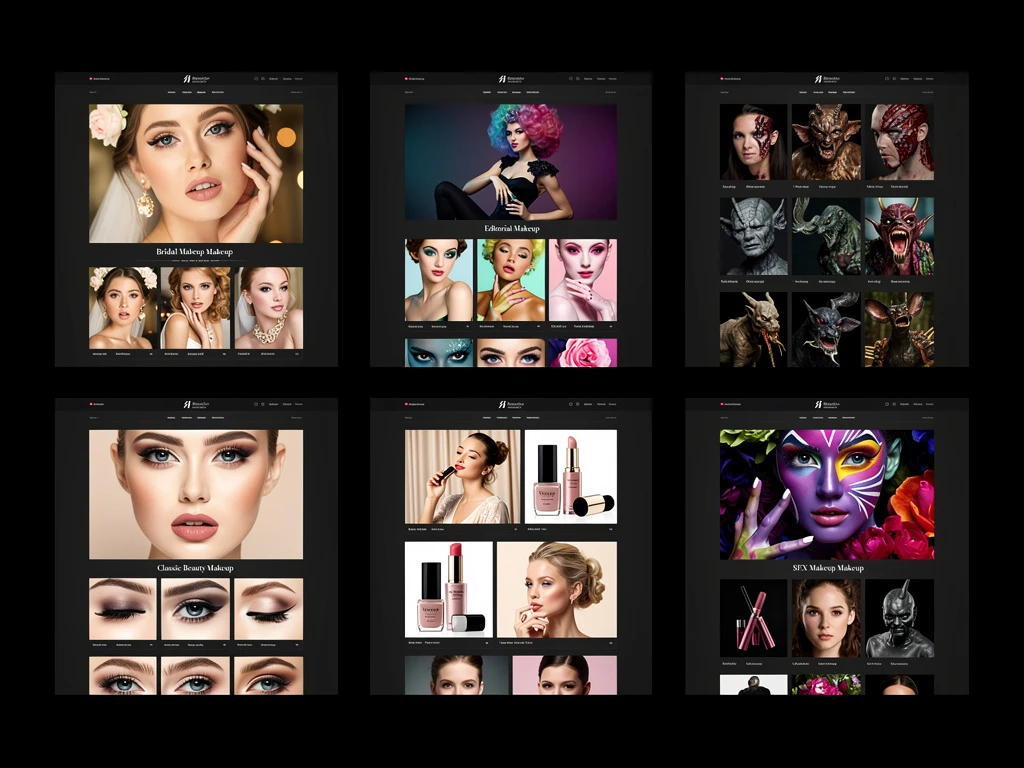
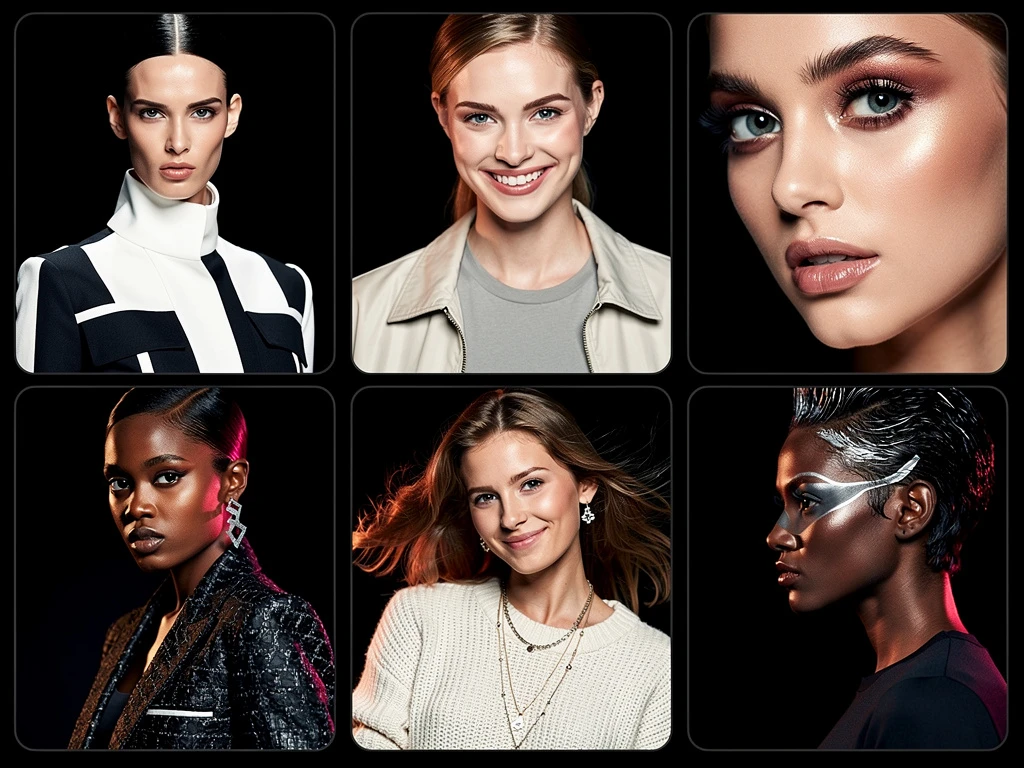
Include a section in your portfolio dedicated to avant-garde, futuristic, or highly stylized beauty shots. You want to show casting directors that you can carry intense, otherworldly concepts—like metallic prosthetics, neon structural hair, or heavy CGI-enhanced editorial looks.
3. Emphasize Athleticism and Core Control
Posing for a 3D scan or motion capture requires incredible physical stamina. You often have to hold uncomfortable, dynamic poses in a rig for extended periods without twitching.
Highlight your physical control in your portfolio. Include digitals or editorial shots that showcase extreme flexibility, martial arts, dance, or gymnastics. Brands looking for a meta model want to know you have complete mastery over your body mechanics.
4. Curate Your Digital-First Comp Card
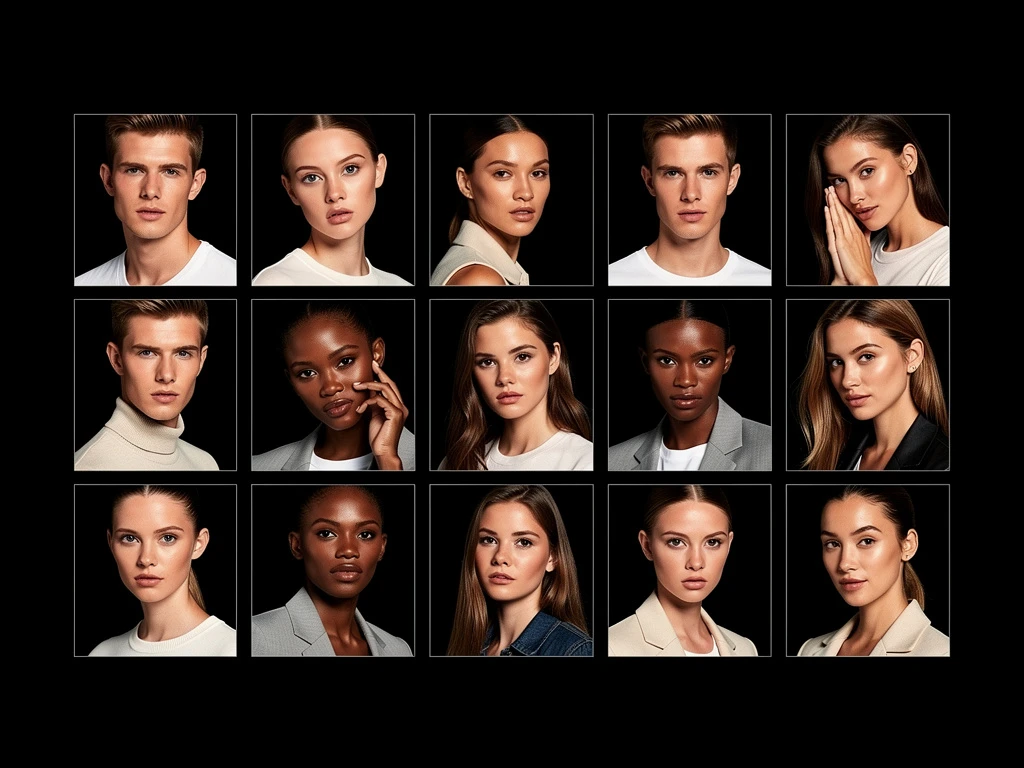
Your standard comp card isn't going to cut it for a virtual campaign. Create a separate, digital-first comp card specifically for meta modeling submissions.
This should include your standard physical stats, but also links to any 3D scans, video reels of your movement, and examples of how your face maps to digital rendering. Keep the design sleek, minimal, and tech-forward.
5. Host a Seamless Digital Experience
The clients booking meta models are deeply immersed in technology. If you send them a slow, clunky PDF or a disorganized social media page, they will assume you aren't a fit for a cutting-edge digital campaign.
Your portfolio website needs to be as fast, seamless, and modern as the campaigns you are trying to book. Ensure it can host high-resolution video and 3D renders without lagging.
Building your specialized portfolio doesn't have to be complicated. With Portfoliobox, you can create a stunning portfolio website tailored for parts modeling in minutes — no coding required.