For the first three years of my illustration career, my portfolio was a chaotic mess. I was suffering from what many artists experience: medium paralysis. I loved digital painting in Photoshop, but I also loved the tactile nature of traditional watercolors. On top of that, I was experimenting with crisp vector art in Illustrator.
When art directors visited my website, they didn't see a versatile artist; they saw an inconsistent one. I wasn't booking major jobs because clients didn't know what they would actually get if they hired me. The turning point in my career happened when I stopped trying to do everything and started aggressively analyzing specific medium of artwork examples from industry giants. Here is how defining my medium defined my career.
The Problem: The "Jack of All Trades" Trap
I thought that showing I could paint in oils, draw in charcoal, and render in 3D would make me more employable. I was wrong.
In the commercial illustration world, art directors are looking for specialists. If a children's book publisher needs a whimsical, soft watercolor illustration, they aren't going to hire someone whose portfolio is 70% dark digital concept art and 30% mediocre watercolor. They are going to hire the artist whose entire portfolio is a masterclass in watercolor.
Analyzing the Masters
I realized I needed to commit. To do this, I created a folder on my desktop and began saving medium of artwork examples that resonated with me emotionally and commercially.
1. The Digital Painter
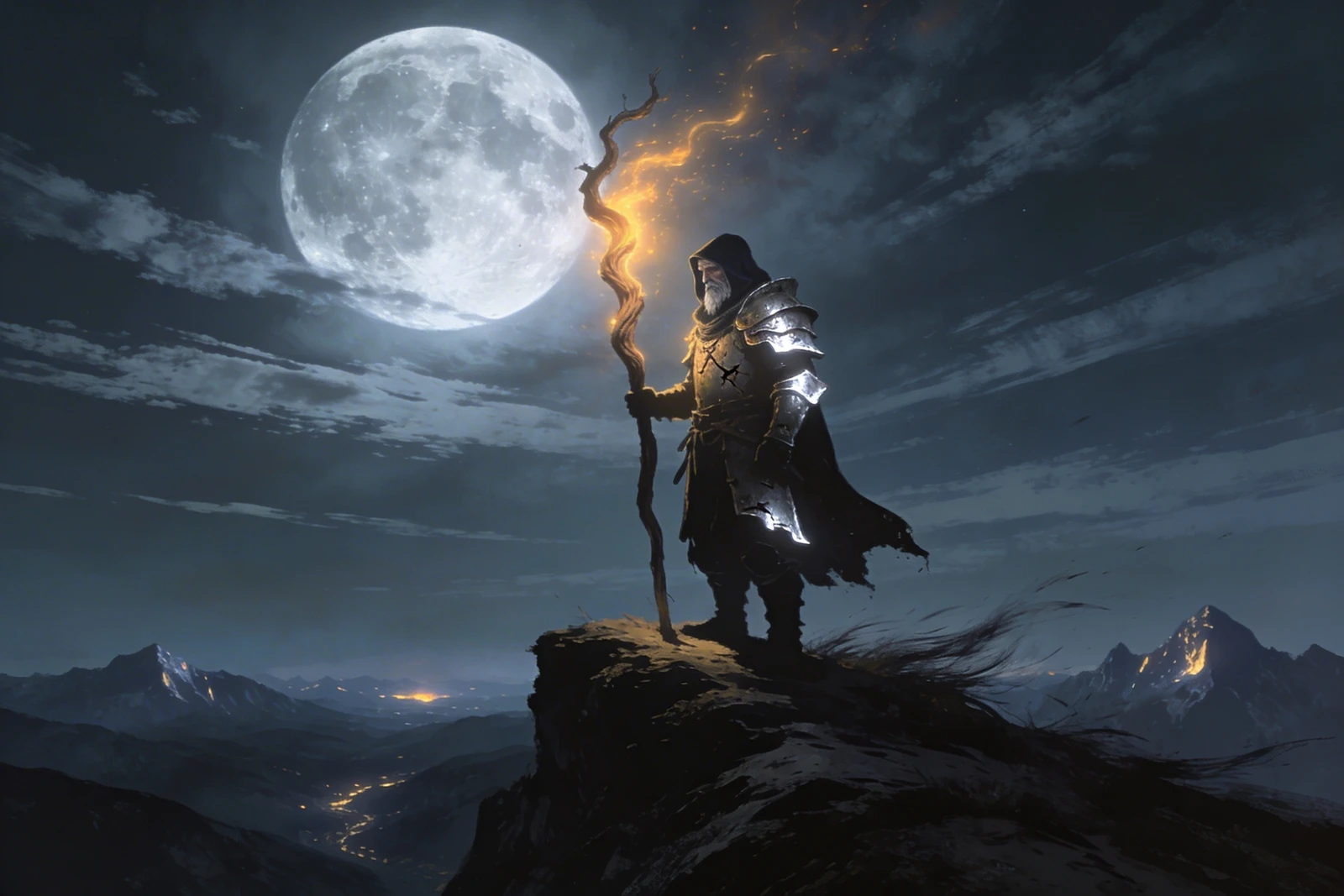
I studied the portfolios of top concept artists working at Riot Games. Their medium was exclusively high-end digital painting. What stood out wasn't just the software, but the efficiency. They could iterate incredibly fast, using custom brushes to mimic traditional oils while maintaining the speed required for a fast-paced game production pipeline.
2. The Vector Specialist
I looked at editorial illustrators working for magazines like The New Yorker. Many of them used vector graphics (Adobe Illustrator). Their medium of artwork examples relied entirely on flat colors, sharp geometric shapes, and perfect bezier curves. It was clean, scalable, and printed beautifully on cheap magazine paper.
3. The Traditional Tactician
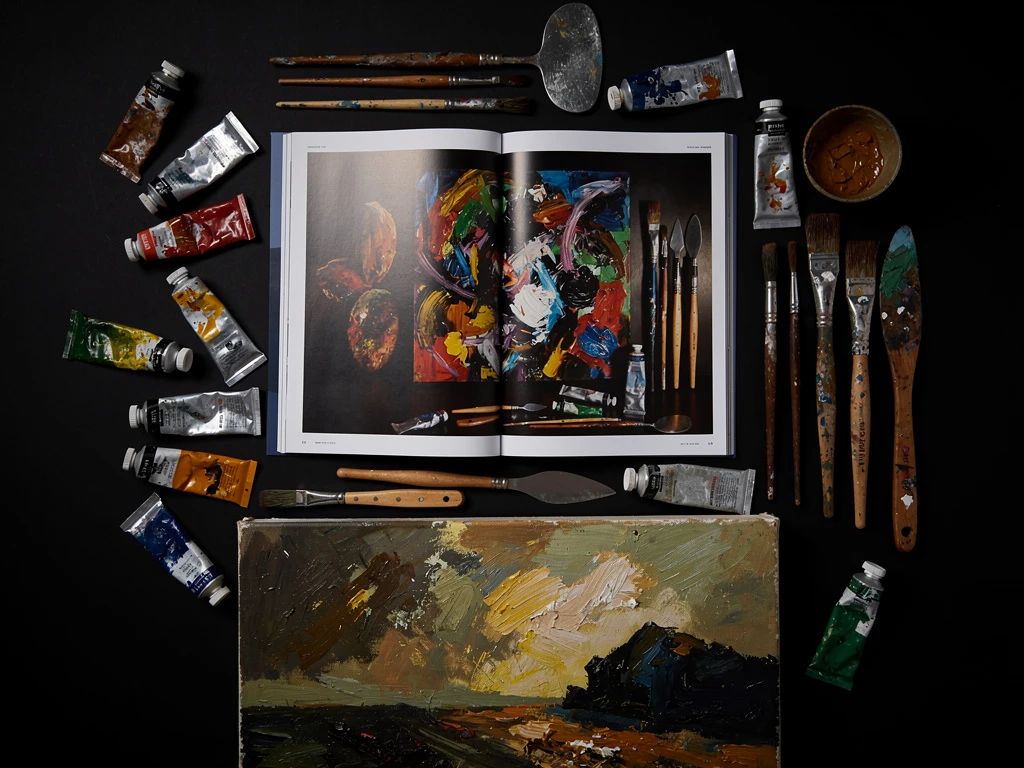
I studied high-end gallery illustrators who worked exclusively in gouache or ink. Their portfolios were built on texture. The organic mistakes, the slightly uneven brushstrokes, and the texture of the cold-pressed paper were the selling points.
Making the Choice and Building the Brand
After analyzing these medium of artwork examples, I realized my true strength (and where I found the most joy) was in the tactile, organic texture of traditional mediums, combined with digital finishing.
I rebuilt my entire portfolio around this specific medium. I removed all my 3D experiments and vector logos. My new website was a "Sustained Investigation" into digital watercolor and textured brushwork.
The result? Within three months, I booked my first major editorial illustration. The art director specifically cited the "cohesive, organic texture" of my portfolio as the reason I was hired.
Presenting Your Chosen Medium
Once you choose your medium, your website must support it. If you choose vector art, your website should be sleek, minimalist, and modern. If you choose traditional oils, your website should feel like a high-end gallery, prioritizing massive, uncompressed images that show the physical texture of the canvas.
Stop confusing your clients. Define your medium, and build a digital home that elevates it. With Portfoliobox, you can create a bespoke illustration website tailored perfectly to the medium you choose — no coding required.