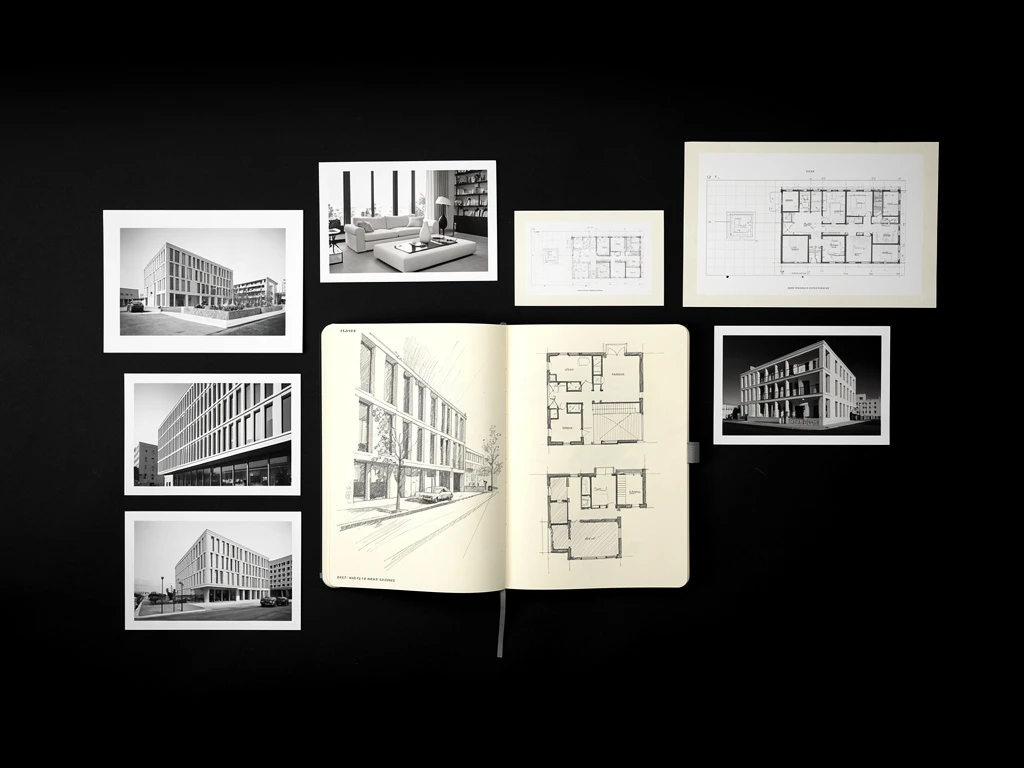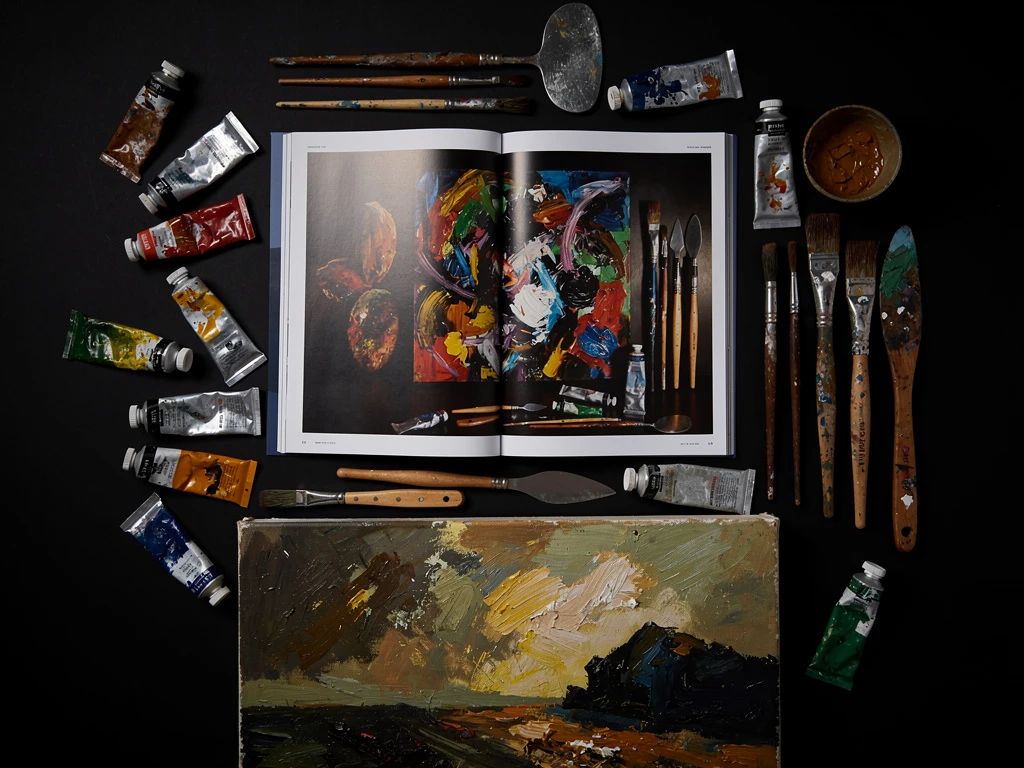
For decades, the standard method for a fine artist to secure gallery representation was to walk into a gallery with a physical portfolio. These heavy, leather-bound presentation binders—filled with expensive matte boards and glossy photo prints—were a massive investment. Artists spent hours perfectly aligning their photos inside the plastic sleeves.
Today, while the physical object of the painting is still paramount, the method of discovering that painting has completely shifted. If you try to hand a busy gallery curator a massive binder, they will likely ask for your website URL instead. The art world has digitized. To elevate your fine art brand, you must transition from relying on physical binders to mastering the digital gallery experience. Here is a deep dive into how to make that transition seamlessly.
The Limitation of the Physical Binder
A physical art binder has one fatal flaw: it is geographically limited.
If your portfolio is sitting in a leather case in your studio in Chicago, a collector in London cannot see it. You are relying entirely on local foot traffic and in-person networking to sell your art. In a globalized art market, this severely limits your earning potential.
A digital portfolio breaks this geographic barrier. It allows a curator in Tokyo to discover your massive oil canvases at 3:00 AM. Your website acts as a tireless, 24/7 sales representative that never takes a day off.
Translating the "Luxury Feel" Digitally
The one advantage the physical binder had was tactility. It felt expensive to hold. When transitioning online, many artists lose this luxury feel by using cheap, mass-market website templates.
You must replicate the premium aesthetic of the physical presentation digitally. How to execute this: When you built your physical portfolio, you didn't just tape the photos together; you used white matte boards to give the images breathing room. You must do the same on your website. Utilize aggressive white space (padding) around your digital images. Use a minimalist, single-column layout so the viewer focuses on one masterpiece at a time, exactly as they would when turning the page of a high-end presentation binder.
Proving the Texture
The second thing lost in digital translation is the physical texture of the art. A curator looking at a photo in a binder could often see the glare of the glossy photo paper or ask to see the original sketch you brought along.
How to execute this: To elevate your digital brand, you must use macro photography. Do not just upload a wide shot of your painting. Include secondary images that zoom in heavily on the physical texture of the canvas, the impasto brushstrokes, or the patinated bronze of your sculpture. Prove to the digital viewer that the physical object possesses intense, tactile quality.
The Digital Advantage: Instant Acquisition
A physical binder could only show the art; it couldn't facilitate the sale. If a collector wanted the piece, it required a complex dance of invoices and wire transfers.
The ultimate advantage of moving online is the ability to integrate e-commerce. A premium digital portfolio allows a collector to view your art, read your artist statement, and purchase a $2,000 original painting instantly via credit card, entirely removing the friction from the sales process.
Retiring your physical presentation does not mean sacrificing quality. With Portfoliobox, you can build a digital portfolio that commands the exact same level of luxury and respect as a high-end physical binder, instantly expanding your art business to a global audience — no coding required.