Imagine sitting across from the creative director of a major consumer electronics firm. You've spent months perfecting the ergonomics of a new smartwatch concept, agonizing over the chamfered edges and the tactile feedback of the dials. You hand them your iPad to review the project. But instead of seeing the depth of your research and the elegance of your physical prototypes, they see three dimly lit, 3D-rendered JPEGs and a paragraph of dense text.
The creative director scrolls for four seconds, nods politely, and closes the tab. The interview is essentially over.
This scenario plays out every day in the industrial design industry. The tragic irony is that brilliant physical designers often struggle to translate their 3D mastery into a compelling 2D digital experience. They know how to build physical prototypes that solve complex human problems, but they don't know how to build a portfolio website that solves the problem of getting them hired.
If your portfolio is failing to secure the interviews or freelance contracts you deserve, the fastest way to course-correct is by studying how the masters do it. By breaking down the strategies hidden within top-tier industrial design portfolio examples, you can transform your own digital identity from a static archive into a dynamic career engine.
The Narrative of the Process
When you look at the portfolios of industrial designers working at companies like IDEO, Frog, or Teenage Engineering, you'll notice one glaring commonality: they don't just show the final product.
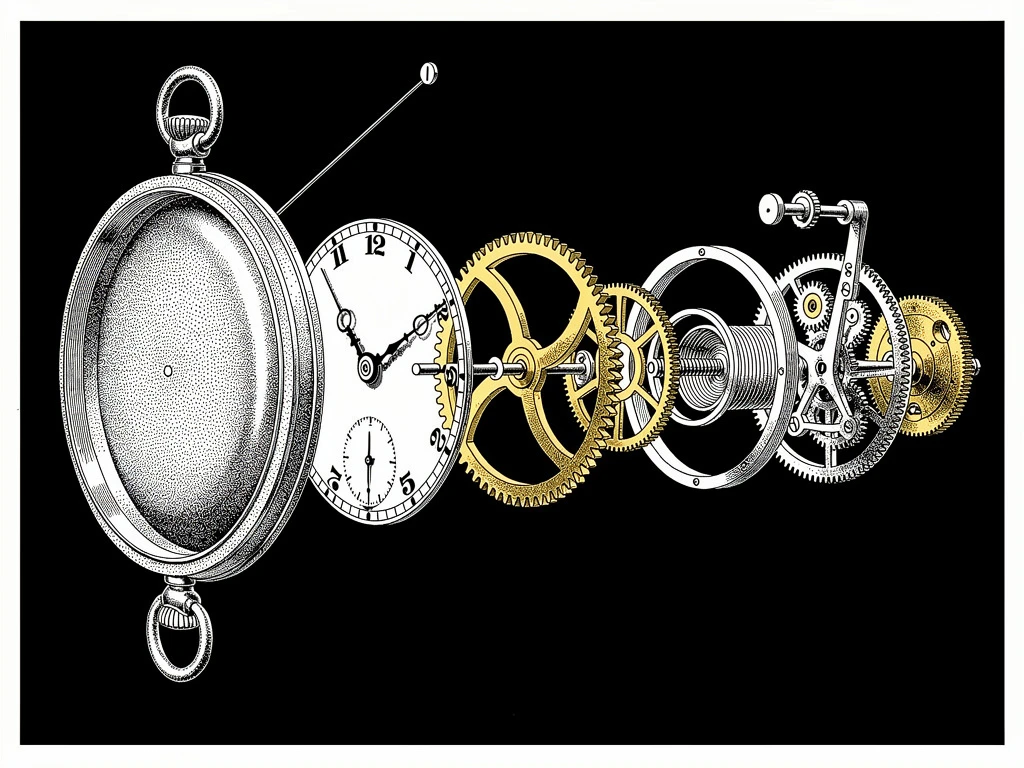
Amateur portfolios read like a catalog—here is a toaster, here is a chair, here is a drill. Professional portfolios read like a documentary. The best industrial design portfolio examples emphasize the process of design.
Clients and recruiters are not buying your final rendering; they are buying your brain. They are buying your ability to navigate constraints, materials, manufacturing limitations, and user testing. If your portfolio only shows the final, polished CAD render, you are hiding your true value.
Actionable Takeaway: Build the "Making Of"
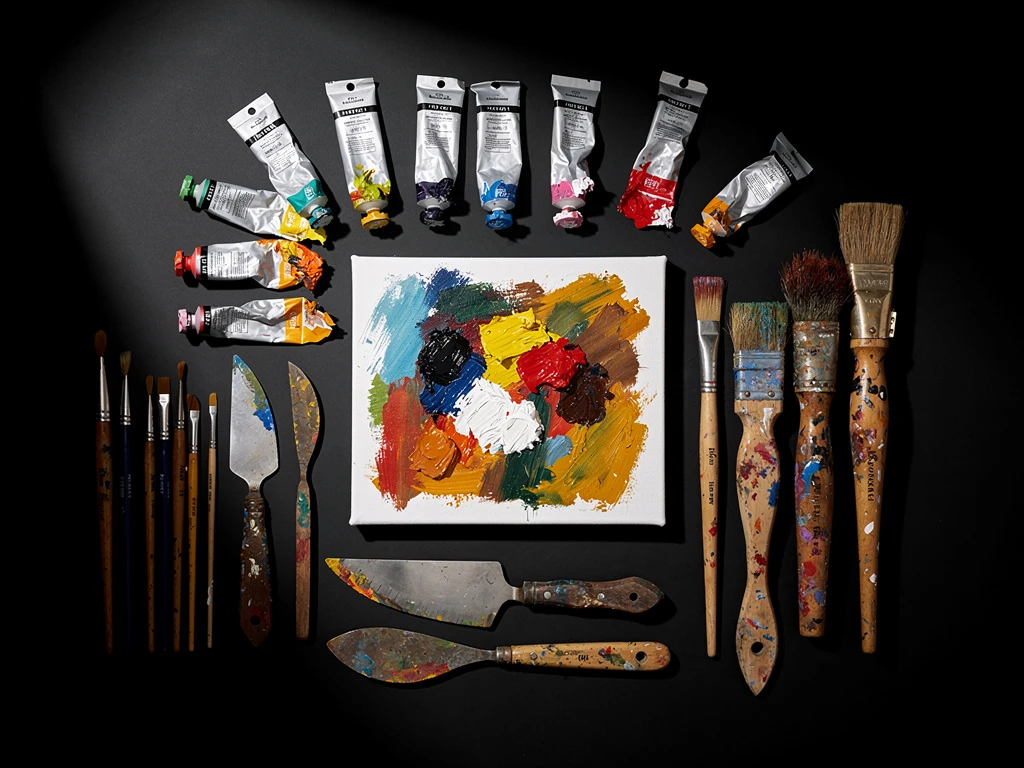
For your strongest projects, dedicate an entire page to the journey. Start with the initial, messy napkin sketches. Show the ugly, taped-together blue foam models. Include photos of user testing where the prototype failed. By documenting the struggle and the iteration, you prove that the final, beautiful product was the result of rigorous design thinking, not just a lucky guess in SolidWorks.
The Power of Contextual Storytelling
Another striking feature of high-converting industrial design portfolio examples is context.
A stark white background rendering of a medical device might look technically impressive, but it lacks emotional resonance. The best designers understand that a product only exists in relation to the human using it. They use their portfolio to tell the story of the user.
If you designed a rugged outdoor speaker, don't just show it floating in a grey void. Your portfolio should include lifestyle photography (or highly realistic environmental renders) of the speaker clipped to a backpack halfway up a mountain.
Actionable Takeaway: Ground the Object
When structuring your project galleries, ensure that at least 30% of the imagery places the object in its intended environment, interacting with its intended user. This helps the art director or recruiter instantly understand the scale, the target demographic, and the emotional intent of the design. You are not just designing objects; you are designing experiences.
Typography and Negative Space as a Frame
Industrial design is inherently concerned with proportion, material, and spatial relationships. It is baffling, then, how many industrial designers cram their digital portfolios with chaotic layouts, tiny fonts, and zero negative space.
When you study premium industrial design portfolio examples, the web design itself is virtually invisible. The typography is elegant but restrained. The negative (white) space is massive. The website acts as a high-end gallery space—quiet, brightly lit, and designed solely to elevate the art on the walls.
If your website builder forces you into cluttered, generic templates with distracting animations, it is actively detracting from the perceived value of your physical designs.
Actionable Takeaway: Embrace the Void
Treat your digital portfolio layout with the same meticulous care you apply to the parting lines on a plastic injection mold. Increase the margins around your images. Simplify your typography to one or two modern sans-serif fonts. Let the work breathe. A clean, spacious digital environment subconsciously signals to the viewer that the work within it is premium, thoughtful, and highly valuable.
Prototyping Your Career
Your portfolio is the most important prototype you will ever build. It is a working model of your professional identity.
By observing the strategies employed in elite industrial design portfolio examples—focusing on the messy process, contextualizing the final product, and framing it all in a clean, distraction-free digital environment—you can elevate how the industry perceives you.
You spend your career designing beautiful, functional objects. It is time to apply that same rigor to your digital presence. With Portfoliobox, you can create a stunning, highly customized portfolio website that perfectly frames your industrial design work in minutes — no coding required.