Many illustrators spend years perfecting their digital painting or vector skills, only to realize that having great art is only half the battle. The other half is getting an art director to actually hire you.
If you have a website that receives traffic but fails to generate commission inquiries, you do not have an art problem; you have a conversion problem. An illustrator portfolio website should not just be a digital storage drive for your JPEGs. It must act as an active sales funnel. To transition from a struggling freelancer to a booked professional, ensure your website includes these 5 high-converting elements.
1. The Undeniable "Hero" Image
When a client clicks your link, you have three seconds to prove your worth. The Element: Your homepage must feature a massive, high-resolution "Hero" image. This should be your absolute strongest piece of artwork, displayed edge-to-edge. It should instantly communicate your style and your technical mastery, leaving no doubt in the client's mind about your capability.
2. Niche Categorization
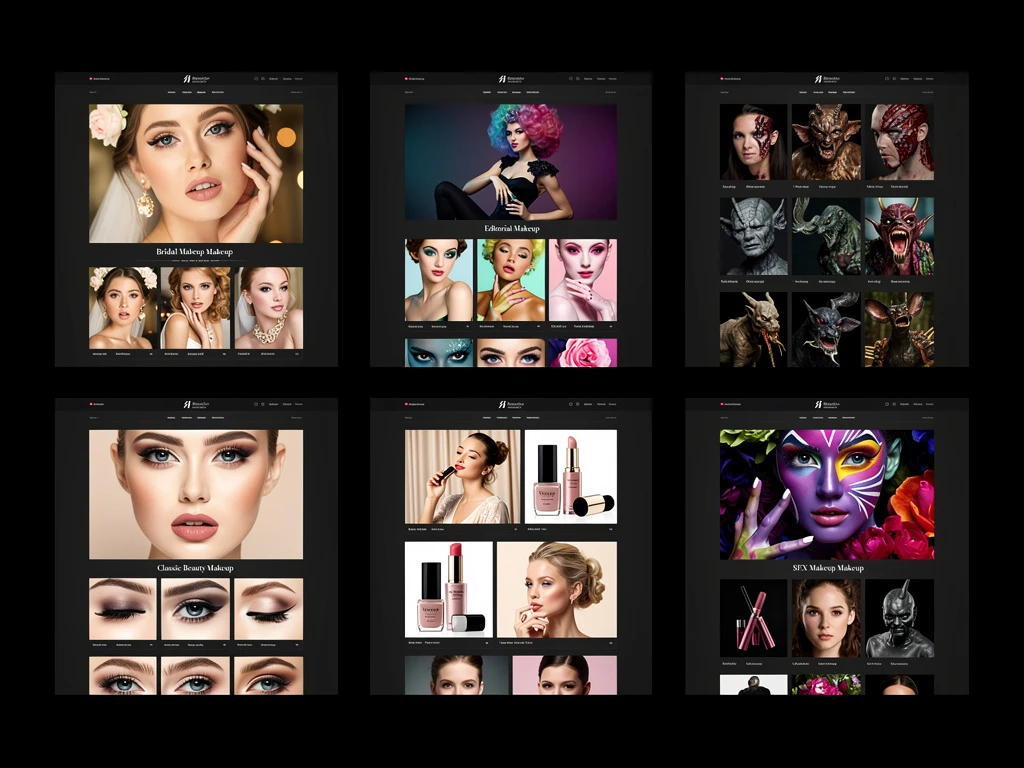
Art directors do not want to hunt for relevant work. The Element: A highly specific navigation menu. If your portfolio mixes hyper-realistic 3D renders with children's book watercolors on the same page, the client will get confused and leave. Separate your work into distinct, clearly labeled galleries (e.g., "Editorial Illustration," "Concept Art," "Packaging Design").
3. The Contextual Case Study
Clients are terrified of hiring an artist who cannot follow directions. They need to know your beautiful art was intentional. The Element: Dedicate pages to full case studies. Don't just show the final book cover; show the rough thumbnails, the color explorations, and write a brief paragraph explaining the prompt you were given by the publisher. This proves you are a reliable problem solver.
4. Frictionless Contact Architecture
If a client has to search for your email address, you will lose the job. The Element: Your "Contact" page must be incredibly visible from every single page on the site. Include a simple form asking for project details, timelines, and budgets. Additionally, include strong Calls to Action (CTAs) at the bottom of every gallery (e.g., "Inquire About Freelance Rates").
5. Uncompressed Rendering Speed
The illustration industry is entirely visual. The Element: Your website must be built on a platform that does not aggressively compress your files. If your crisp vector lines or subtle watercolor textures are pixelated because of a cheap website template, your brand value plummets instantly. The site must load quickly without sacrificing image fidelity.
Stop losing clients to poor presentation. Elevate your brand with Portfoliobox. It is the only platform that provides all 5 essential elements out of the box, allowing you to build an agency-grade illustrator portfolio website in minutes — no coding required.