For a makeup artist (MUA), the leap from doing occasional weekend gigs to booking consistent, high-paying commercial or bridal work usually hinges on one thing: digital presentation. If a casting director asks to see your work and you send them an Instagram link, you instantly signal that you are a hobbyist.
Figuring out how to create a portfolio website is the most important business decision you will make. It doesn't have to be a highly technical, stressful process. Here is a practical, step-by-step guide on how to build a digital presence that actually books jobs.
Step 1: Secure Your Professional Identity
Before you touch any design elements, you need a professional address. This is your Portfolio URL.
Do not use a free, branded subdomain (e.g., yourname.freewebsitebuilder.com). This immediately destroys your credibility with high-end luxury clients. Purchase a custom domain name, ideally yourname.com or yourname-makeup.com. It is a small yearly investment that establishes instant industry authority.
Step 2: Choose a Platform Built for Visuals
Makeup artistry is an entirely visual medium. When deciding how to create a portfolio website, you must choose a builder that respects image quality.
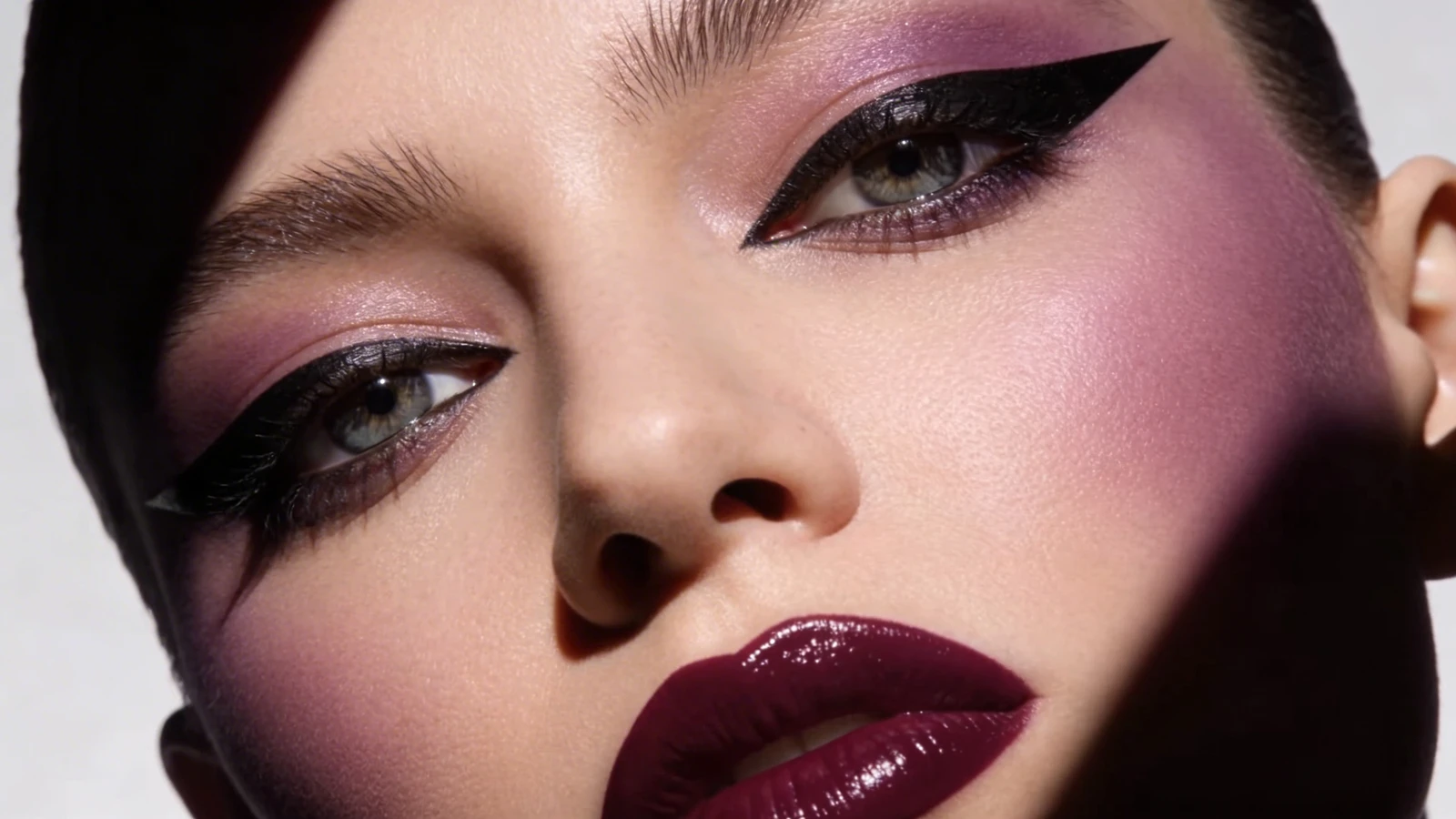
Avoid generalist e-commerce builders that aggressively compress your photos to save server space. When an art director zooms in on your macro beauty shot, they need to see flawless skin texture, not pixelation. Choose a platform specifically designed for creatives that offers high-resolution image rendering and dynamic, unconstrained gallery layouts.
Step 3: Implement Ruthless Curation
The biggest mistake artists make is using their website as an archive for every photo they have ever taken.
Your portfolio is a curated exhibition, not a storage drive. You are judged by your weakest image. If you include twenty images, and two of them have poor lighting, the client will assume those two images represent your baseline skill. Select only your absolute best, publication-ready tear sheets. A gallery of 10 flawless images is infinitely more powerful than a gallery of 50 mediocre ones.
Step 4: Categorize for the Client
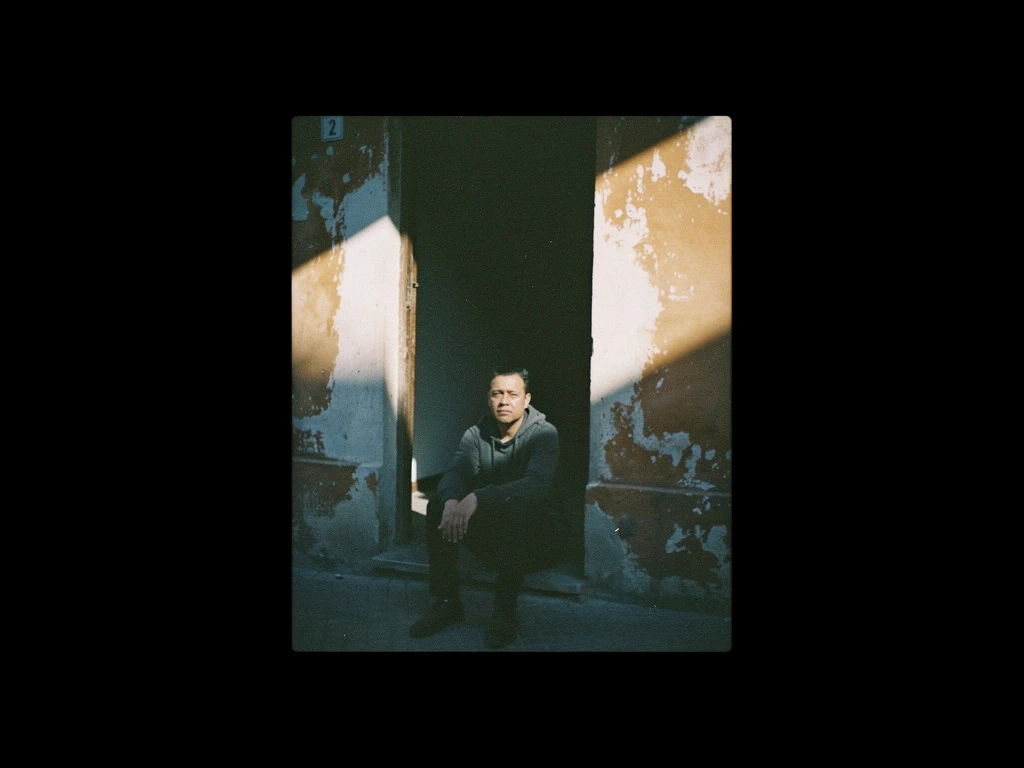
When a commercial producer visits your site looking for a grooming artist for a men's skincare campaign, they do not want to scroll past twenty photos of avant-garde glitter makeup to find what they need.
Organize your work logically into distinct galleries. Common categories include:
- Commercial/Lifestyle: Clean, natural looks.
- Editorial: High-fashion, creative concepts.
- Bridal: Timeless event makeup. Make sure these categories are immediately accessible from your main navigation menu.
Step 5: Make Booking Frictionless
The ultimate goal of your website is to generate income. Your contact page must be incredibly simple to use. Include a clean contact form that asks for the client's name, email, event date, and the specific services they require. Remove any unnecessary steps that might cause a potential client to abandon the form.
Building an agency-grade digital presentation is easier than you think. With Portfoliobox, you can learn how to create a portfolio website seamlessly, building a bespoke digital home for your makeup brand in minutes — no coding required.