Your online presence is the lifeblood of your photography business. It doesn't matter if you shoot high-end editorial, fast-paced weddings, or intimate family portraits—if your portfolio doesn't instantly communicate your unique vision and professional reliability, potential clients will keepScrolling.
While looking at great photography portfolio examples can inspire you, simply copying what other photographers do won't guarantee bookings. You need a strategy. You must structure your galleries intentionally to capture attention, build trust, and ultimately funnel visitors toward hiring you. Here is exactly how to build a portfolio website that transforms passive viewers into active, paying clients.
1. Curate Ruthlessly: Kill Your Darlings
The most common mistake emerging photographers make is uploading everything they have ever shot. Your portfolio is not a backup drive; it is a highly curated gallery of your absolute best work. Quality always beats quantity.
When a prospective client lands on your website, they form an impression within milliseconds. If your opening gallery has 45 images where only 5 are breathtaking, your perceived value plummets.
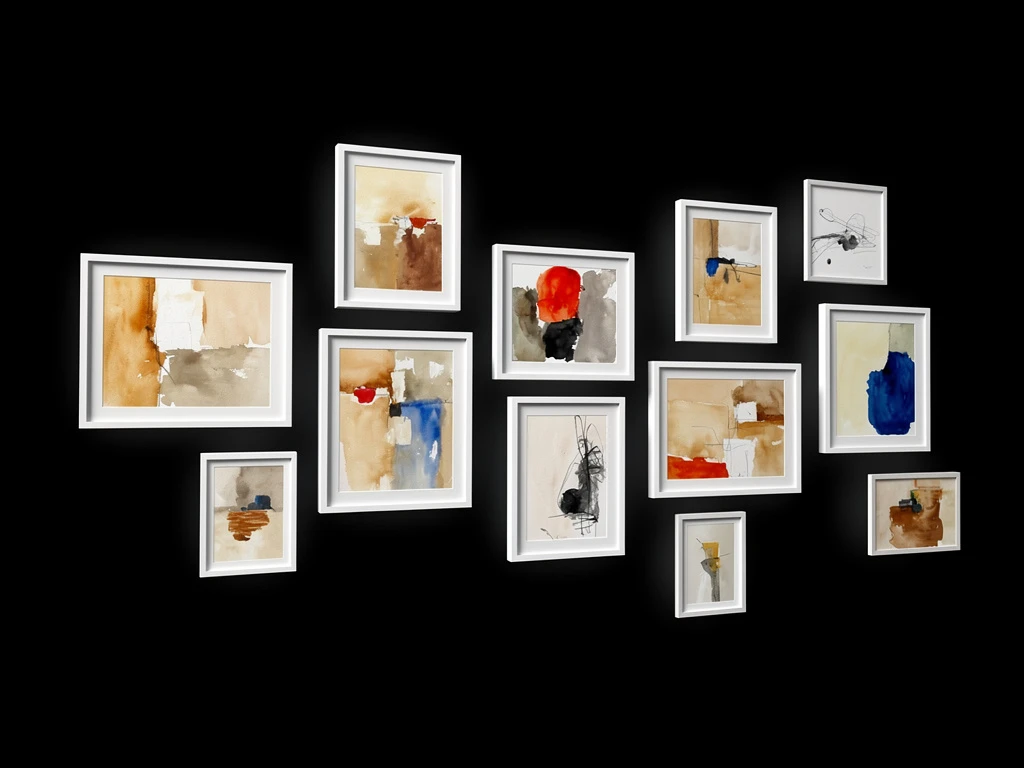
Examine the strongest photography portfolio examples out there. You'll notice they feature tight, cohesive galleries. Aim for 15 to 25 stunning images per gallery. This shows consistency, discipline, and an eye for editing. If you have to ask yourself if an image is "good enough" to include, the answer is always no. Remove it.
2. Structure Your Flow Like a Story
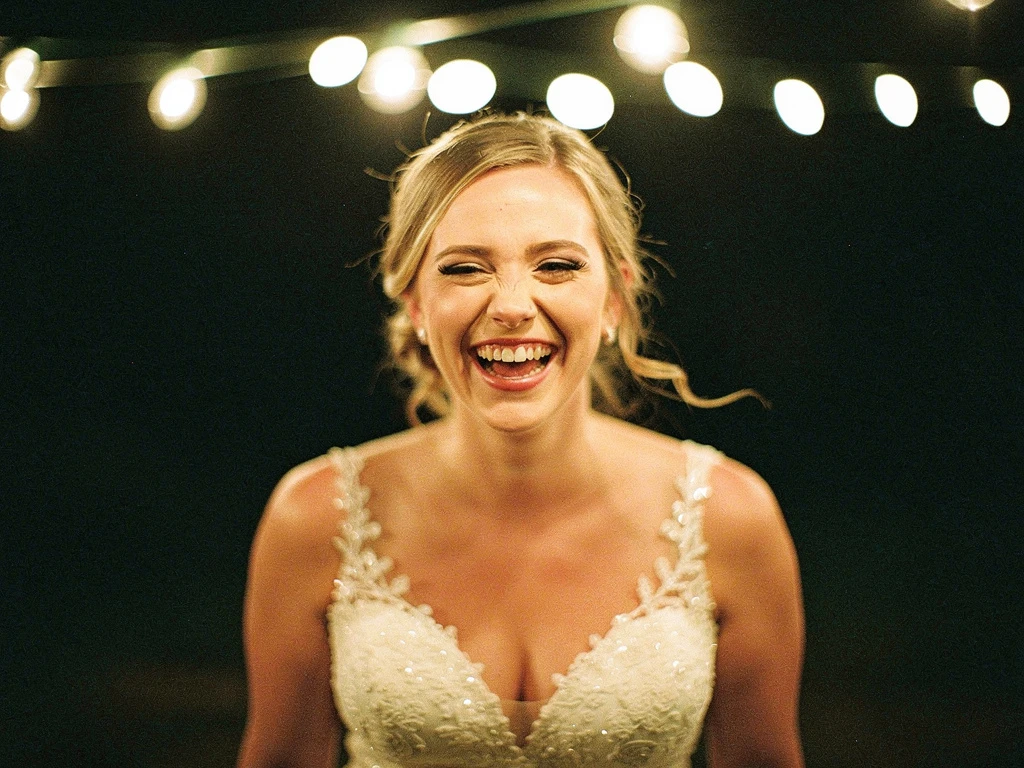
Don't just upload images randomly. Arrange them with pacing in mind. A great photography portfolio flows like a well-edited magazine. Start with an establishing shot—an image that instantly grabs attention and defines your style. Follow it with detail shots, wider environmental portraits, and close-ups to create a visual rhythm.
Break your work into specialized galleries rather than dumping it all onto a single page. If you shoot both weddings and commercial brand work, do not put them in the same gallery. A bride does not want to see product photography for a beverage brand when she is looking for someone to capture her special day. Segment your audience so they find exactly what they need without confusion.
3. Contextualize Your Work with Case Studies
Beautiful images are great, but clients also want to know that you are professional, reliable, and capable of executing a brief. Provide context.
Instead of just presenting a grid of photos, consider adding "Case Study" or "Project" pages. Here, you can show 5-10 images from a single shoot alongside a short paragraph explaining the project's goal, the lighting challenges you faced, and how you solved them. This approach takes you from being a "person with a camera" to a "creative problem solver," making it much easier to justify premium pricing.
4. Optimize for Mobile Editing and Viewing
Over 60% of web traffic comes from mobile devices. If an art director or a bride is reviewing your website on their phone during their commute, and your high-resolution images take 10 seconds to load, you've lost them.
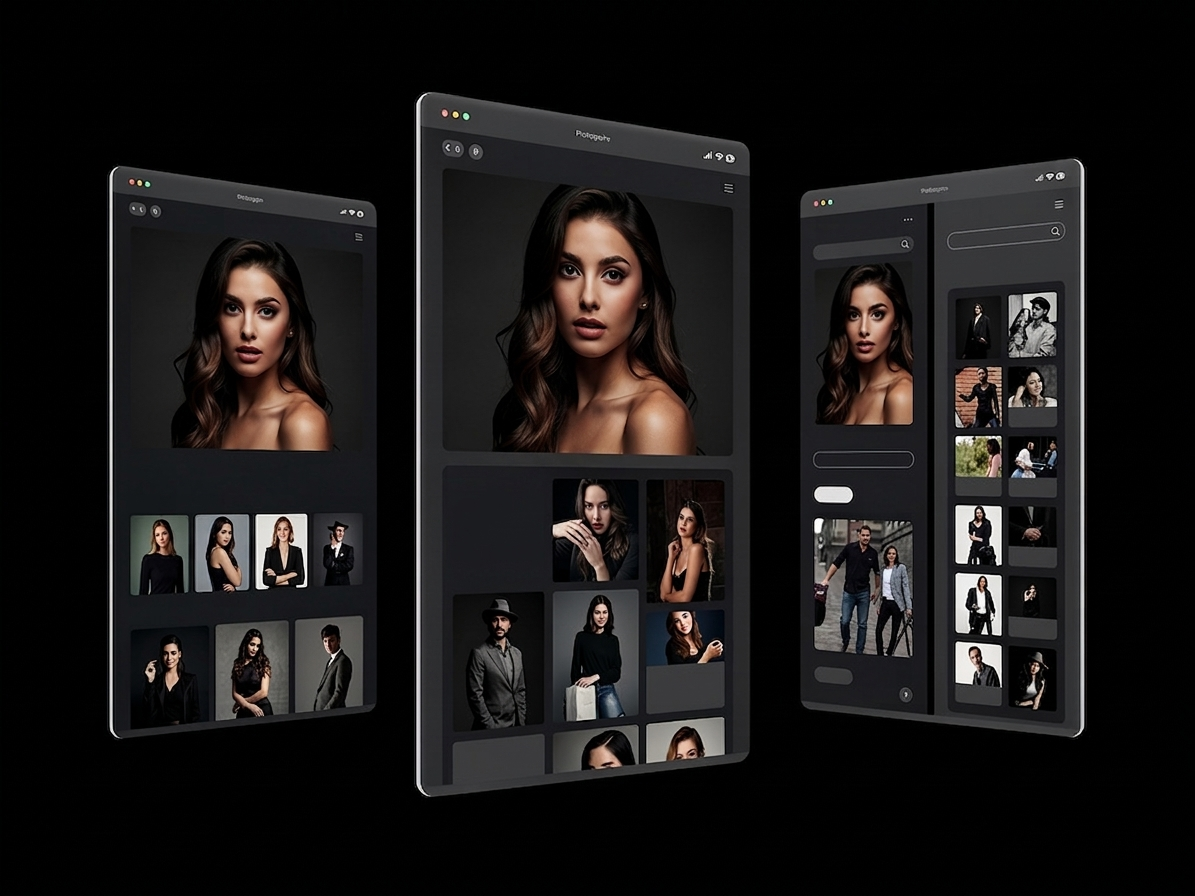
Your images must be optimized for fast loading without losing visual fidelity. Platforms built specifically for creatives automatically handle this compression and responsive scaling, ensuring your images look as crisp on a smartphone as they do on a Retina display. Furthermore, ensure that your mobile navigation is intuitive. Avoid complicated drop-down menus that require pinpoint accuracy to click.
5. Frictionless Contact and Booking
The primary goal of your portfolio is to book clients. Thus, your contact information should be impossible to miss.
Do not hide your email address in the footer of an "About" page. Create a dedicated "Contact" page with a clean, simple form. Only ask for the essential information: Name, Email, Date of Event/Shoot, and a brief message. Every additional field you require decreases the chance of the form being submitted.
Building your portfolio doesn't have to be complicated. With Portfoliobox, you can create a stunning portfolio website in minutes — no coding required. Ensure your best work gets the digital space it deserves.