The cosmetic industry is entirely unforgiving when it comes to digital presentation. If a global beauty brand like Sephora, MAC, or Fenty is searching, they are looking for a Makeup Artist (MUA) who understands that makeup on a human face is merely the starting point. The true skill lies in how that makeup mathematically interacts with $50,000 studio strobe lights and ultra-high-definition 4K sensors.
Many aspiring MUAs attempt to build their professional portfolios using iPhone selfies taken in their bathroom mirrors, heavily processed with smoothing filters. When a corporate casting director sees a blurred, filtered selfie, they instantly assume the MUA lacks the technical ability to execute flawless skin texture in a harsh, unedited studio environment.
To secure lucrative commercial and editorial bookings, you must transition from a "social media influencer" aesthetic to a rigid, B2B commercial aesthetic. Here is the operational blueprint for building a professional Makeup Artist portfolio from scratch.
1. Eradicating the 'Filter' Liability
A commercial cosmetic director is not purchasing an illusion; they are purchasing technical execution.
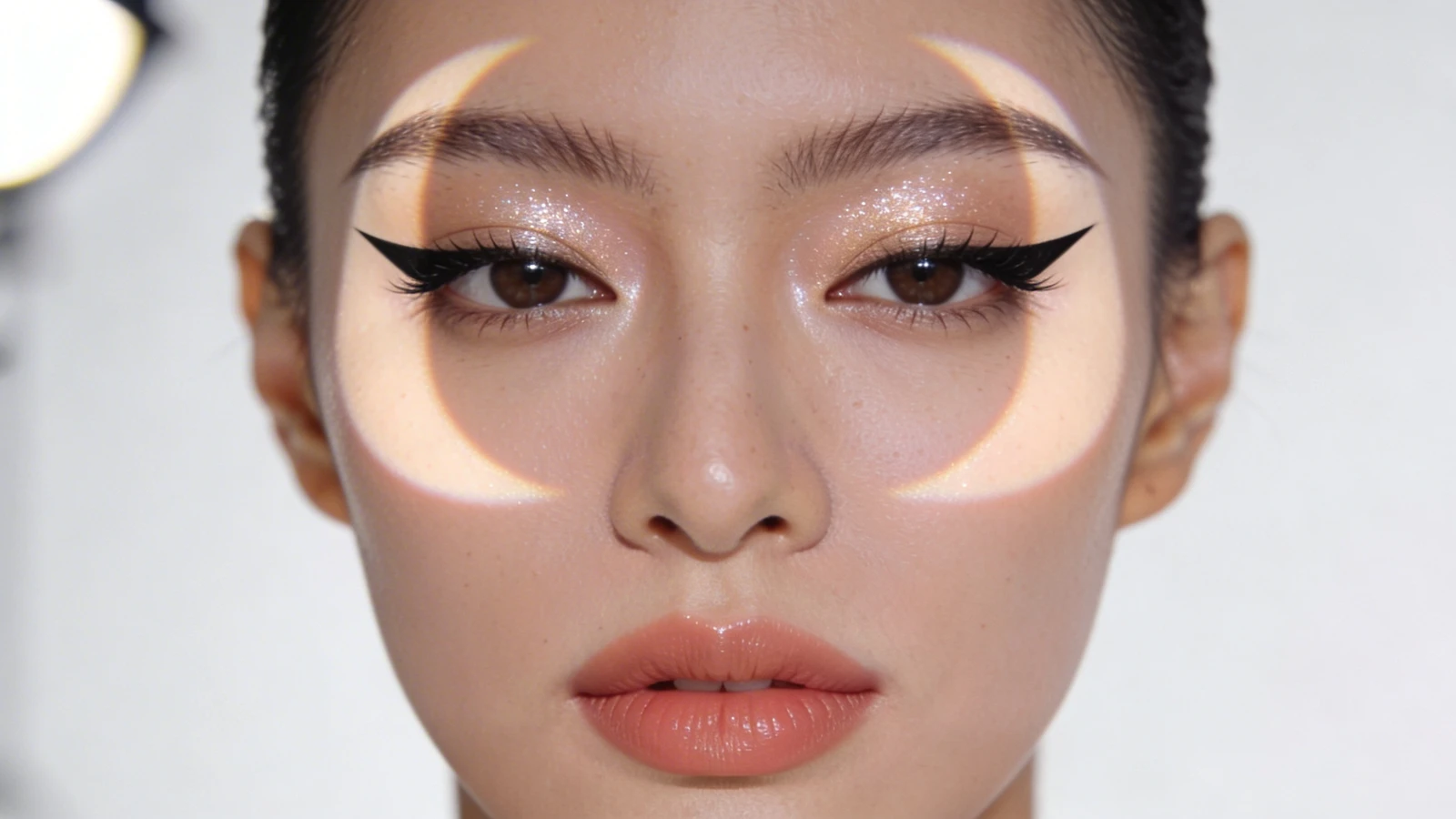
Your portfolio must be anchored entirely by "Macro Photography." These are extreme, uncompressed close-ups taken with professional DSLR or Mirrorless cameras. When reviewing your website, the director must be able to zoom into the model's cheekbone and visibly see the individual pores of the skin sitting effortlessly beneath the foundation. They need to see the microscopic gradient of your eyeshadow blending.
If your website automatically compresses your uploads, creating a "muddy" or pixelated effect, you are actively destroying your own technical proof. You must host your imagery on a platform designed to deliver massive, uncompressed visual data flawlessly.
2. Executing Categorical Dominance
A devastating mistake young MUAs make is uploading an avant-garde, neon-pink runway makeup look directly next to a soft, natural bridal makeup look on their homepage.
This causes massive cognitive friction for the client. Different clients require vastly different psychological aesthetics. You must strictly silo your portfolio into dedicated navigation galleries:
- Commercial / E-Commerce: Clean, hyper-natural "no-makeup" looks designed to sell lifestyle clothing.
- Editorial / High Fashion: Severe, conceptual, highly saturated looks utilizing extreme contouring or unconventional materials.
- Bridal / Event: Luminous, sweat-proof, universally flattering aesthetics.
- Special Effects (SFX): Prosthetics, theatrical blood, and character transformation (only include this if you are actively pitching the film industry).
By forcing the client to explicitly select the category they are hiring for, you prove that you understand their specific industry requirements.
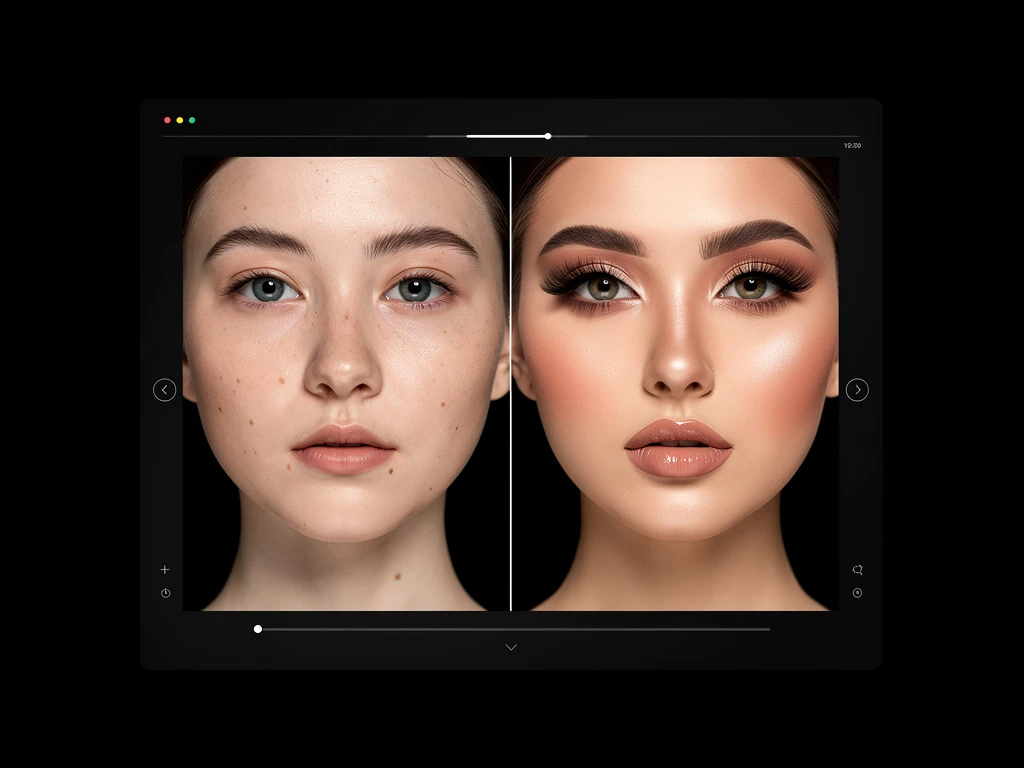
3. The 'Before and After' Case Study
While Macro beauty shots prove your final execution, a corporate client also needs to understand your foundational competence. How well do you color-match uneven skin tones? How do you handle extreme acne or hyperpigmentation?
Do not bury this proof. Create a dedicated "Transformations" gallery on your website. For every flawless studio portrait you upload in this section, you must securely attach the raw, unedited "Before" photograph of the model sitting in your makeup chair. This is not about shaming the model; it is about proving your absolute chemical and color-theory mastery to a skeptical corporate hiring manager.
4. Engineering the 'Kit Fee' Booking Form
An amateur MUA forces a client to email them to ask for pricing. A professional MUA utilizes their website as a structured B2B intake filter.
Do not use a generic contact box. Your website must incorporate a rigid Booking Form that demands commercial logistics before you ever pick up the phone. Include mandatory dropdown menus asking the client for:
- Project Scope (e.g., Half-Day Commercial, Full-Day Editorial, 8-Person Bridal Party)
- Location & Travel Requirements
- Estimated Budget
Structuring your cosmetic career requires a digital grid that respects microscopic detail. By utilizing the uncompressed media architecture found on Portfoliobox, beauty professionals can explore makeup portfolio templates that instantly deploy lightning-fast, pixel-perfect macro galleries commanding corporate trust — no coding required.