When you see a flawless hand gracefully pouring a glass of expensive wine, swiping a credit card, or holding the latest smartphone on a billboard, you aren't looking at a traditional fashion model. You are looking at a specialized parts model. Hand modeling is a highly lucrative, in-demand sector of the commercial industry.
If you have exceptional hands and have been wondering how to be a hand model, this deep dive will walk you through the industry standards, the required maintenance, and how to build a portfolio that casting directors actually want to see.
Understanding the Industry Standards
Not all beautiful hands are suitable for hand modeling. The industry has incredibly specific requirements for what constitutes a "perfect" hand for commercial work.
First, the skin must be completely flawless. This means no visible pores, blemishes, scars, tattoos, or prominent veins. The skin tone should be perfectly even. Second, the structure of the hand matters. Agencies look for long, straight fingers with elegant, un-knobby knuckles. The nail beds should be naturally long, symmetrical, and healthy.
Furthermore, hand models must have an incredibly steady hand. You will be required to hold objects perfectly still for long periods under hot studio lights while photographers adjust macro lenses. A slight tremor can ruin a shot.
The Reality of Hand Maintenance
If you want to be a hand model, your hands must become your most prized possession. The maintenance required is rigorous and absolute.
Successful hand models moisturize dozens of times a day. You will need to invest in high-quality hand creams, cuticle oils, and protective gloves. You must wear gloves while doing dishes, cleaning, gardening, or even driving (to prevent sun damage and hyperpigmentation). Any nick, papercut, or broken nail can cost you a lucrative booking.
Curating Your Parts Portfolio
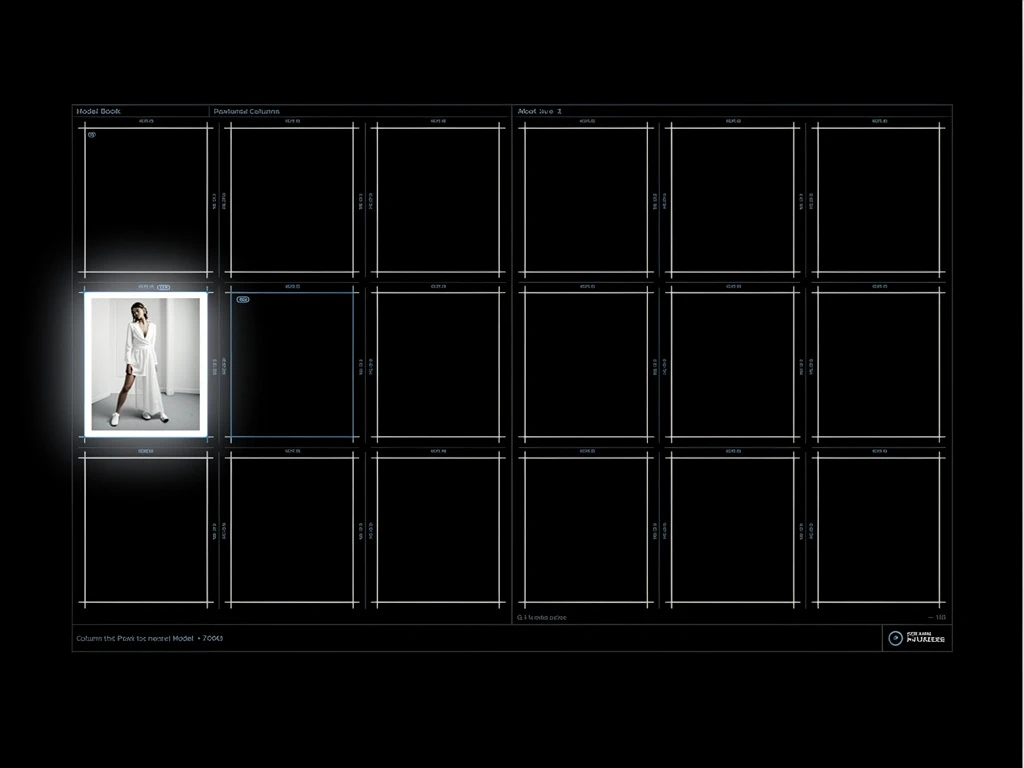
The biggest mistake aspiring hand models make is applying to agencies without a specialized portfolio. A general comp card is useless here. You need a dedicated digital space that showcases your hands in various commercial scenarios.
When building your portfolio, include macro shots of your hands resting naturally, holding objects (like a piece of jewelry, a phone, or a luxury perfume bottle), and performing actions (like typing or pouring). These images must be pristine, showcasing your skin texture and nail health without heavy retouching.
Your portfolio should be hosted on a clean, professional website where casting directors can view high-resolution galleries without distractions.
Nailing the Casting Process
When you secure a casting, usually through a specialized parts modeling agency, you will be asked to demonstrate your ability to pose. Posing hands requires a deep understanding of angles and tension.
You must learn how to relax the muscles in your hand while maintaining elegant lines. Stiff, claw-like hands will not book jobs. Practice holding everyday objects in front of a mirror to see how the light hits your knuckles and fingernails. Learn how to separate your fingers slightly to create elegant spacing.
At the casting, arrive with impeccably clean nails, neatly filed and buffed, with either no polish or a sheer, neutral tone. Never wear distracting jewelry unless specifically requested.
Building your parts portfolio doesn't have to be complicated. With Portfoliobox, you can create a stunning portfolio website in minutes — no coding required.