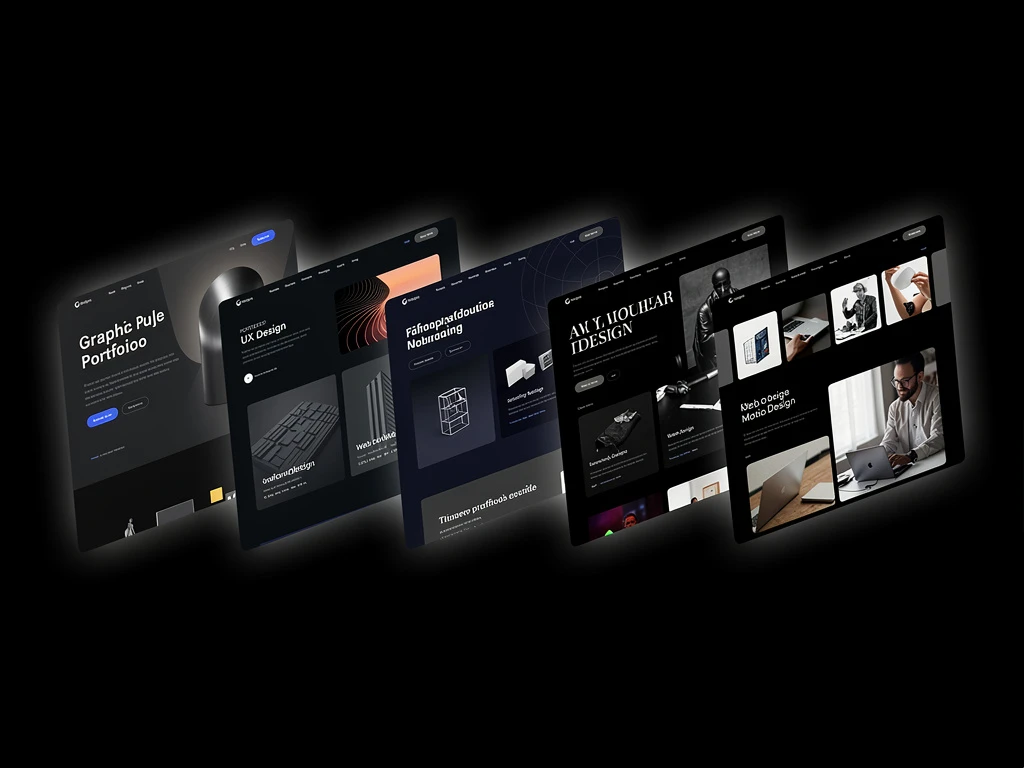
Your graphic design student portfolio is often the first real bridge between your education and the professional design world. It’s no longer just about getting a good grade; it’s about proving to art directors and potential clients that you can solve their visual problems.
Transitioning from assignments to real-world briefs can feel daunting, but structuring your portfolio correctly makes all the difference. Here are the essential steps to master your graphic design student portfolio and elevate your design brand.
1. Focus on Problem-Solving, Not Just Pretty Pictures
When reviewers look at a graphic design student portfolio, they want to see your thinking process. Don't just show the final logo or poster. Show the initial sketches, the wireframes, or the rejected concepts. Explain the brief and how your design specifically answered it. Art directors hire designers who can think critically, not just those who can make things look nice.
2. Curate Ruthlessly
It's tempting to include every project you did in school, but quality always beats quantity. Select your 4 to 6 strongest projects. If a project doesn't represent the kind of work you want to do in the future, leave it out. A graphic design student portfolio should be a curated exhibition of your best capabilities, not an exhaustive archive of your coursework.
3. Show Real-World Applications
Take your school projects a step further by creating realistic mockups. If you designed a logo, show how it looks on business cards, packaging, or a website header. Contextualizing your designs helps potential clients visualize how your work translates to the real world and adds a layer of professionalism to your portfolio.
4. Craft a Strong Case Study Narrative
For your most significant projects, write a compelling case study. Break it down into the challenge, your approach, and the solution. Keep the text concise and scannable. Use headings, bullet points, and short paragraphs. Your ability to communicate your design decisions is just as important as the designs themselves.
5. Make Your Contact Info Unmissable
The ultimate goal of your graphic design student portfolio is to get you hired. Make sure your contact information is easy to find on every page. Include a clear call to action, a professional email address, and links to your professional social media profiles, like LinkedIn or Behance.
Building your portfolio doesn't have to be complicated. With Portfoliobox, you can create a stunning portfolio website in minutes — no coding required.