The leap from design school to the professional industry is notoriously difficult. As a student, your audience is a professor grading you against a rubric. As a professional, your audience is a creative director assessing whether you can solve a client's business problem under a tight deadline.
To bridge this gap, your graphic design student portfolio must evolve. It can no longer just be a repository of completed assignments; it must become a strategic argument for your professional value. Here is a deep dive into perfecting your portfolio to build industry authority right out of the gate.
The Shift: From Execution to Strategy
In school, a project might be to "design a logo for a coffee shop." In the real world, the project is "rebrand a struggling local cafe to attract a younger demographic and increase afternoon sales."
When evaluating a graphic design student portfolio, art directors look for this strategic framing. You must present your student work as if it were a real-world client engagement. Don't just show the final deliverables. Begin every case study by clearly defining the brief, the target audience, and the specific problem your design aimed to solve. Show that your aesthetic choices are grounded in strategic reasoning.
Deepen Your Case Studies
A common flaw in junior portfolios is presenting a broad, shallow collection of work—a poster here, a web banner there. Agencies prefer to see depth.
Take your best student projects and build them out comprehensively. If you designed a brand identity, don't stop at the business card. Design the landing page, mock up the social media templates, and visualize the packaging. Showing that you can extend a visual system across multiple touchpoints proves you have the stamina and vision required for agency work.
Master the Art of the Write-Up
Designers often neglect the writing in their portfolios, yet it is how reviewers gauge your communication skills. If you can't articulate your design decisions clearly in a graphic design student portfolio, a creative director will doubt your ability to present work to a client.
Keep your case study write-ups concise. Use a strict structure:
- The Challenge: What was the core problem?
- The Approach: How did you research and ideate?
- The Solution: Why did you choose this specific visual direction?
Use bold headings, bullet points, and short paragraphs. Ensure your tone is professional, confident, and free of academic jargon.
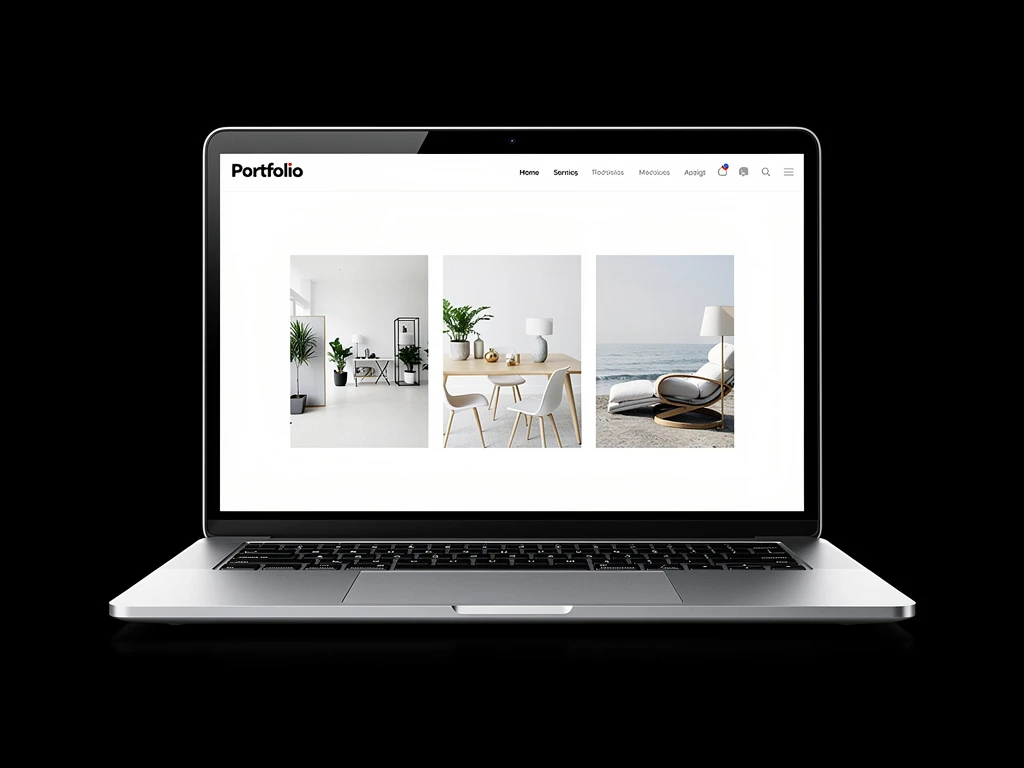
Building your portfolio doesn't have to be complicated. With Portfoliobox, you can create a stunning portfolio website in minutes — no coding required.