The video game industry is notoriously difficult to break into. Whether you want to be a character concept artist, an environment illustrator, or a UI/UX designer for games, the competition is fierce. Hundreds of talented artists apply for every single open position at major AAA studios and indie developers alike.
When a lead art director reviews applications, they do not read your resume first; they click the link to your game design portfolio. You have roughly ten seconds to convince them you have the technical skill and the creative vision to contribute to their game. If your portfolio is disorganized or fails to show your process, you will be rejected. Here is how to build a game design portfolio that actually lands studio jobs.
1. Tailor Your Portfolio to the Studio
The biggest mistake aspiring game artists make is sending the exact same portfolio to every studio.
If you are applying to a studio known for hyper-realistic, dark fantasy RPGs, they do not care how well you can draw bright, stylized, cartoony mobile game assets. Your portfolio must reflect the specific aesthetic of the studio you are pitching.
Create specialized galleries within your portfolio website. If you are applying to Blizzard, send them a direct link to your "Stylized Fantasy" gallery. If you are applying to Naughty Dog, send them the link to your "Photorealistic Environments" gallery.
2. Show the "Under the Hood" Process
Game development is a highly technical, collaborative pipeline. A beautiful final illustration is great, but art directors need to know that you understand the pipeline.
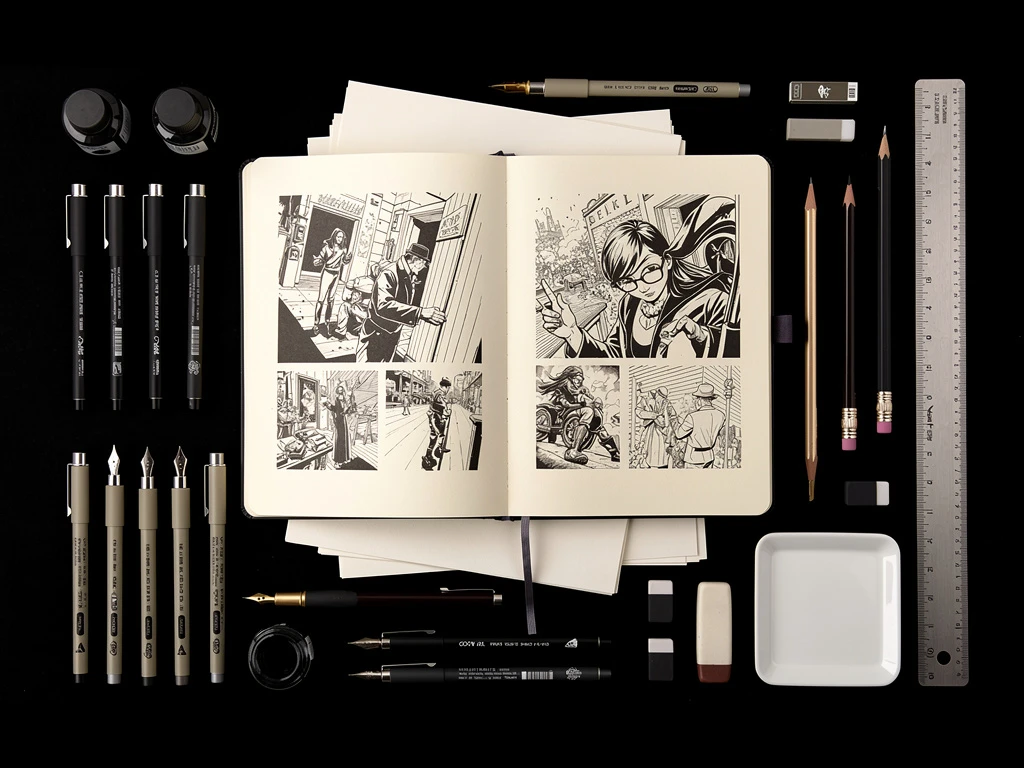
Do not just upload the final, polished character design. Show your process. Include the initial rough sketches, the orthographic turnarounds (front, side, and back views for the 3D modelers), and your color exploration swatches. If you do 3D work, show the wireframes and the texture maps. Proving that you understand how your art translates into a working game asset is what gets you hired.
3. Focus on Functionality over "Cool Factor"
In game design, every visual element must serve a purpose. A character covered in 50 random belts and glowing spikes might look "cool," but an art director will immediately ask, "How does this character move? Does this design fit the game's lore?"
Include annotations in your portfolio. Write brief descriptions explaining why you made specific design choices. Explain how a character's silhouette instantly communicates their class (e.g., a tank vs. a rogue), or how the lighting in your environment illustration guides the player toward the objective.
4. Prioritize Uncompressed Visuals
Your portfolio website must be able to handle high-resolution files. When an art director zooms in to inspect the rendering of your materials (like leather, metal, or skin), the image cannot be pixelated or compressed. Use a visual-first portfolio builder that prioritizes pristine image rendering.
5. Remove the Clutter
A game design portfolio should be ruthless in its curation. Remove your student life-drawing sketches. Remove the anime fan art. Include only your absolute best, most relevant work.
Furthermore, ensure the website design itself does not compete with your art. Use a dark-mode or minimalist theme so that the vibrant colors and lighting of your game art pop off the screen.
Breaking into the game industry requires a portfolio platform that takes your art as seriously as you do. With Portfoliobox, you can build a stunning, high-resolution game design portfolio in minutes — no coding required.