For traditional fine artists—those working in oils, bronze, or charcoal—the value proposition is obvious: the collector is buying a singular, physical object.
For the digital fine artist—those painting entirely in software like Photoshop or Procreate—the value proposition is much harder to establish. Because there is no "original canvas" in the traditional sense, high-end art collectors are often hesitant to spend thousands of dollars. They fear they are just buying a JPEG. If you want to sell limited-edition archival prints of your digital work at premium prices, your digital art portfolio must overcome this bias. Here is how to structure your website to elevate your digital art into the realm of luxury fine art.
1. Erase the "Tech" Aesthetic
Many digital artists make the mistake of making their websites look like tech startup pages or video game menus. They use bright neon colors, glitch animations, and futuristic fonts.
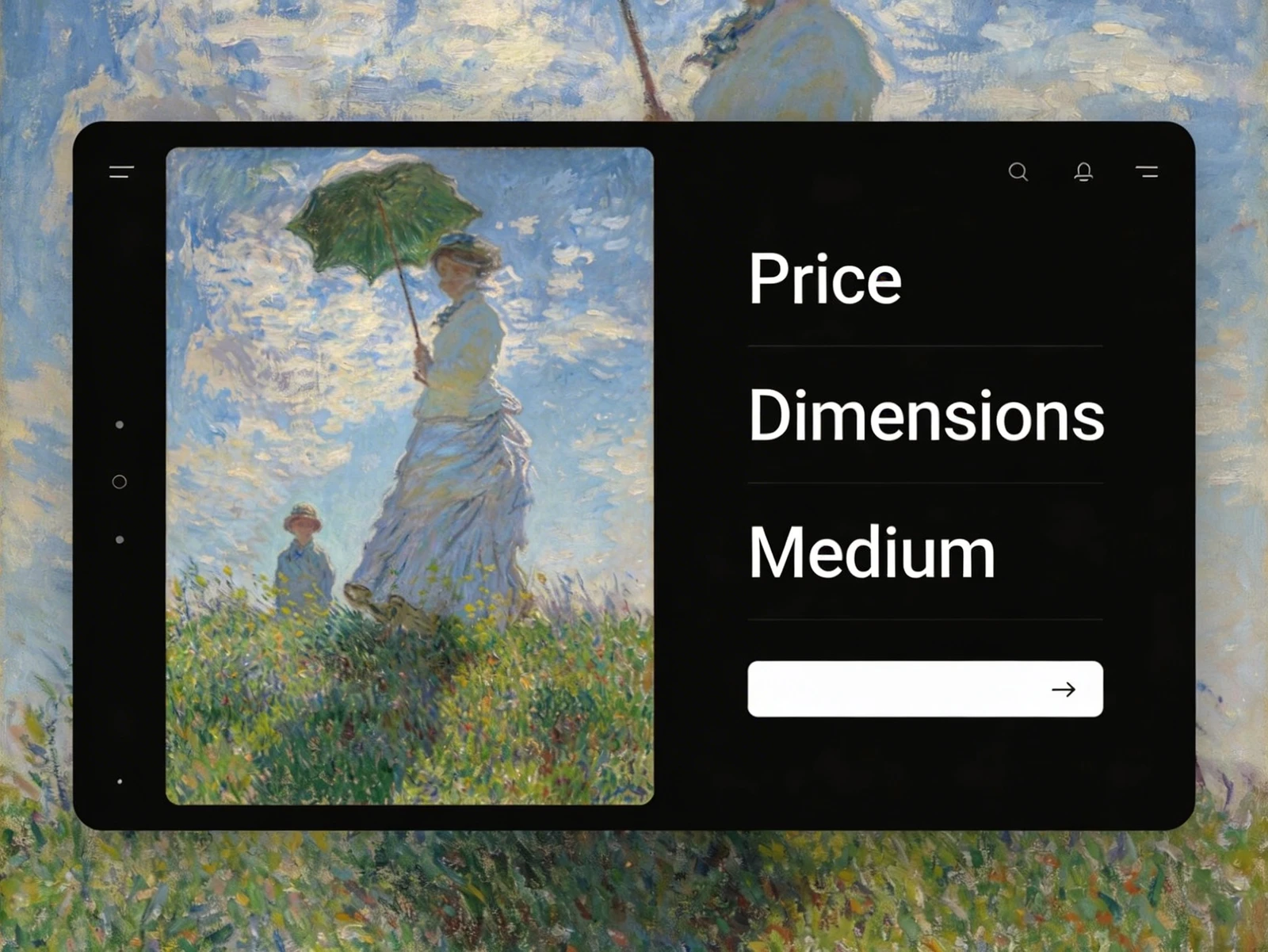
The Fix: If you want fine art collectors to buy your work, your website must look like a fine art gallery. Adopt the "White Cube" aesthetic. Use a pure white or pure black background. Use elegant, minimalist typography. Remove all animations. The digital nature of your work should be apparent in the art itself, not the website design. The website must act as an invisible, luxurious frame.
2. Prove the "Hand of the Artist"
The biggest objection collectors have to digital art is the assumption that the computer did all the work. You must prove the human effort behind the image.
The Fix: Treat your digital paintings exactly like traditional paintings. Create dedicated project pages that show your process. Show the messy, unrefined digital sketch. Show the layers. Most importantly, upload extreme high-resolution macro shots of the final piece, proving that every digital brushstroke was placed intentionally by a human hand, not generated by an algorithm.
3. Emphasize the Physical Output
You cannot sell a digital file for $2,000. You are selling the physical manifestation of that digital file.
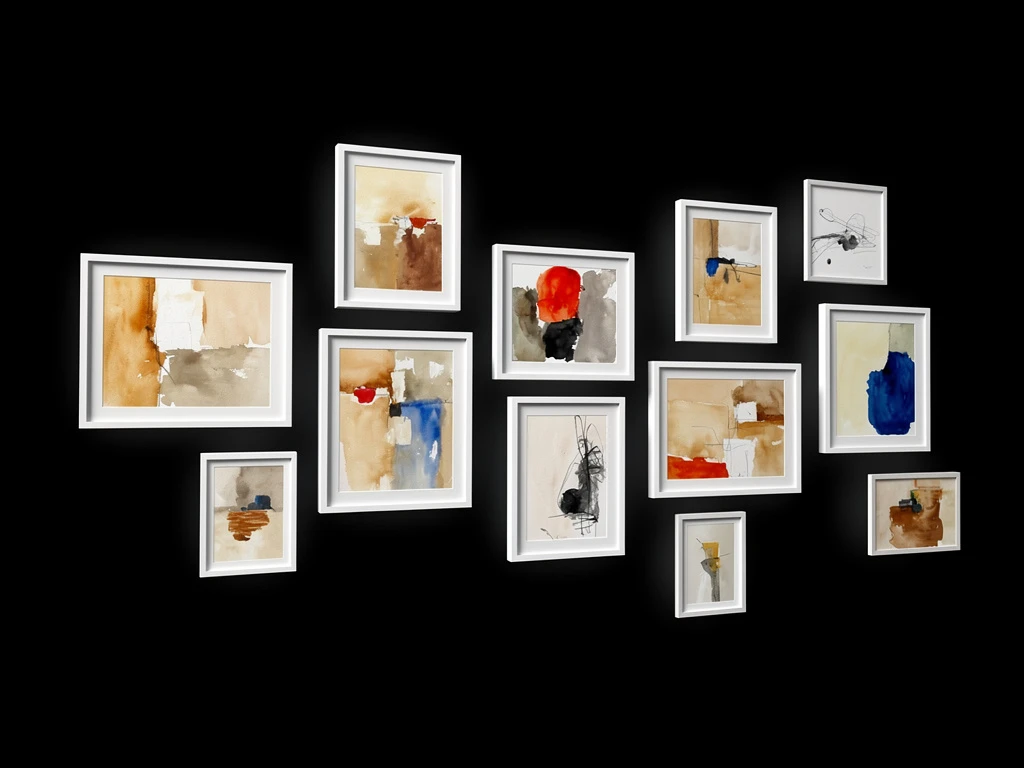
The Fix: Never just upload the flat exported JPEG of your digital painting. You must show the collector what they are actually buying. If you sell limited-edition prints, use high-end mockups or hire a photographer to shoot the actual printed piece. Show the texture of the archival cotton-rag paper. Show the piece beautifully framed and matted in a modern living room. You must visually transition the digital file into a highly desirable physical object.
4. The Scarcity Principle (E-commerce)
In fine art, value is driven by scarcity. If a collector thinks you are selling 10,000 copies of a digital print, they will only pay $20 for it.
The Fix: When integrating e-commerce into your digital art portfolio, lean heavily into limited editions. Clearly state in the product description: "Limited Edition of 50. Printed on museum-grade Hahnemühle Photo Rag. Signed and numbered by the artist." The presentation of the storefront must be as clean and authoritative as a high-end gallery's price list.
5. Uncompressed Rendering
Finally, a digital artist's work is often characterized by incredibly vibrant, saturated colors (which screens display beautifully) and razor-sharp details. If you use a cheap website builder that compresses your images, your work will look muddy and pixelated, instantly destroying its value.
You must use a platform that respects the fidelity of your files. With Portfoliobox, you have access to uncompressed image rendering, luxury minimalist layouts, and zero-commission e-commerce, giving you the exact tools you need to build a digital art portfolio that commands high-end prices — no coding required.