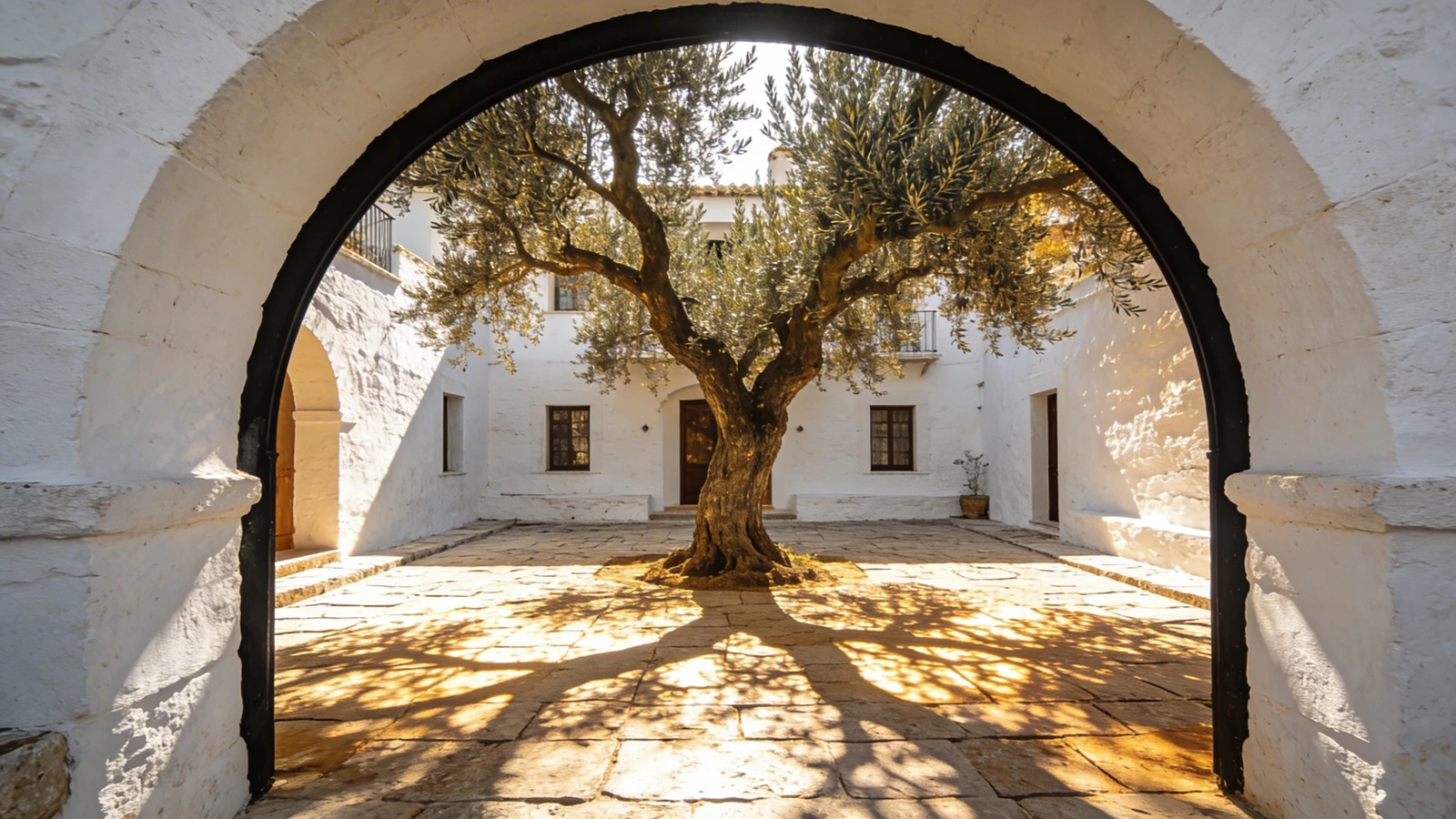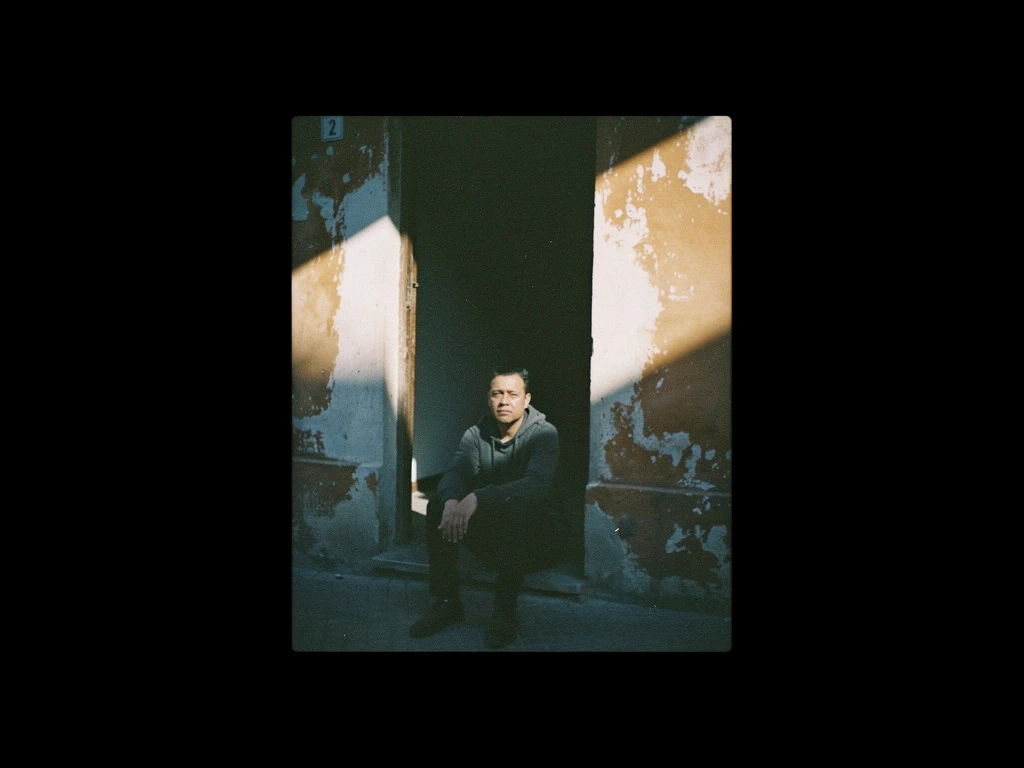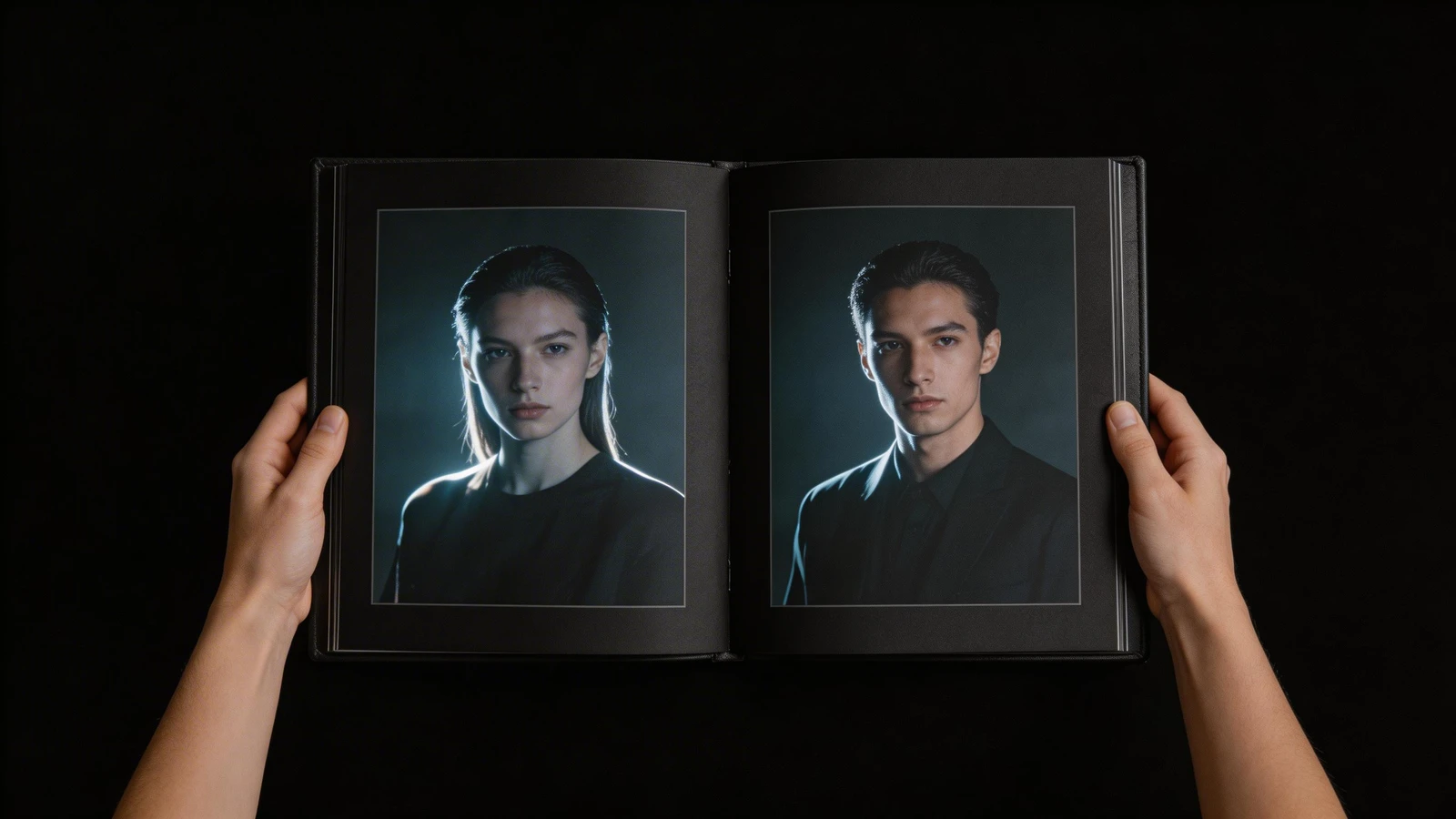
Mark was an exceptional wedding and elopement photographer. His hard drives were filled with breathtaking mountain-top vows, intimate first looks, and perfectly lit reception dances. His Instagram engagement was high, and his peers constantly praised his editing style. Yet, his booking calendar was alarmingly sparse.
He was losing high-end clients to photographers whose work, quite frankly, wasn't as good as his.
The turning point came during a casual review with a prominent wedding planner. She bluntly told him, "Your Instagram is beautiful, but when I send your website to a bride, they get overwhelmed and bounce. It’s too messy. You aren’t showing them a cohesive story; you’re just dumping photos on them."
Mark realized that while he was a master of his camera, he was failing completely at building photography portfolio strategy. He had treated his website like a storage locker instead of a high-end storefront. Within three months of redesigning his digital presence—focusing on tight curation, a frictionless user experience, and a clear narrative—his booking rate tripled, allowing him to finally raise his prices.
If you are producing great work but struggling to land clients, the problem is likely your presentation. Let's break down the strategic framework for building a digital portfolio that acts as a relentless, 24/7 booking machine.
The Foundation: Stop Thinking Like an Archivist
The first and most critical mistake photographers make when building a digital presence is the urge to show everything. When you shoot an incredible 8-hour wedding, you might deliver 600 spectacular images to the client. It is incredibly tempting to take the top 100 images from that single event and throw them into a gallery.
The Reality Check: A potential client will give your homepage roughly three seconds to impress them. They are not going to scroll through 100 images of someone else's wedding.
When building a photography portfolio, you must shift from an archivist mindset to a curator mindset. Your portfolio is not a historical record of your career; it is a highly targeted pitch to your future clients.
- The Rule of 20: Limit your main galleries to 15-20 images maximum.
- Zero Excuses: If an image requires an explanation—"the venue was really dark, but look at the emotion"—it does not belong in your portfolio. Your work must speak perfectly for itself.
Structure: Designing the Client Journey
Mark’s old website had a single button labeled "Work," which led to a chaotic grid of weddings, engagement sessions, some random family portraits, and a few moody landscapes he shot on vacation. It was visually exhausting.
The architecture of your website dictates the client journey. You must guide them smoothly from their initial impression to the contact form.
1. The Homepage Hook
Your homepage needs to validate the client's decision to click your link instantly. It should feature either a single, jaw-dropping hero image that perfectly encapsulates your brand, or a tightly curated grid of your absolute best work. Remove any clutter. No complex animations, no auto-playing music, no confusing navigation.
2. Clearly Defined Galleries
If you shoot multiple distinct genres—say, high-end commercial food photography and intimate newborn portraits—never mix them.
Create clear, distinct pathways. A commercial art director looking for food styling will immediately leave if they see a baby picture. Organize your navigation clearly: "Commercial," "Weddings," "Editorial."
3. The Power of Context
While strong single images are important, showing that you can deliver a complete narrative is crucial for booking higher-paying jobs. Consider including a few "Case Studies" or "Stories." Instead of just the best shot of the bride, show a curated sequence of 8 images that tell the story of the entire day. This proves you are reliable throughout an entire event, not just lucky for one shot.
The Human Element: The "About" Page
Photographers often treat the "About" page as an afterthought, writing a brief, generic paragraph in the third person. This is a massive missed opportunity.
When a client hires you for a wedding, a portrait session, or a commercial shoot, they are inviting you into a highly personal or high-stress environment. They need to trust you.
- Show Your Face: A professional, warm portrait of yourself is non-negotiable.
- Speak to Their Needs: Don't just list your camera gear. Talk about your philosophy. Do you specialize in making nervous subjects feel comfortable? Are you known for managing chaotic commercial sets with calm efficiency? Tell them why they should hire you, not just what you shoot.
Removing the Friction: The Booking Funnel
The ultimate goal of building a photography portfolio is to generate a lead. If your contact process is complicated, you are losing money.
Mark’s original website required clients to navigate to a sub-menu, fill out a 15-field questionnaire, and solve a captcha just to ask for pricing. It was exhausting.
The Frictionless Contact Page
- Be Accessible: Your "Contact" link should be visible from every single page on your site.
- Keep it Simple: Your initial contact form should only ask for the essentials: Name, Email, Date/Location, and a brief description of the project. You can ask the detailed questions later during the consultation phase.
- Direct Access: Always provide your direct email address as an alternative to the form. Some clients, especially in the commercial world, prefer to email directly.
Strategic CTAs (Calls to Action)
Don't assume a client will naturally find their way to your contact page after viewing a gallery. Guide them there. Place subtle, friendly CTAs at the bottom of your image galleries. A simple "Ready to start planning your shoot? Let's connect," with a link to your contact form can significantly increase your inquiry rate.
Your Portfolio is a Living Entity
Mark learned that building a photography portfolio is not a one-and-done project. It is a living, breathing digital entity that requires constant attention.
Set a schedule to review your site every quarter. As you shoot new, stronger work, cycle out the older, weaker images. By maintaining a ruthless editorial eye and prioritizing a seamless client experience, your digital presence will evolve from a static gallery into your most powerful booking tool.
Building your portfolio doesn't have to be complicated. With Portfoliobox, you can create a stunning portfolio website in minutes — no coding required.